

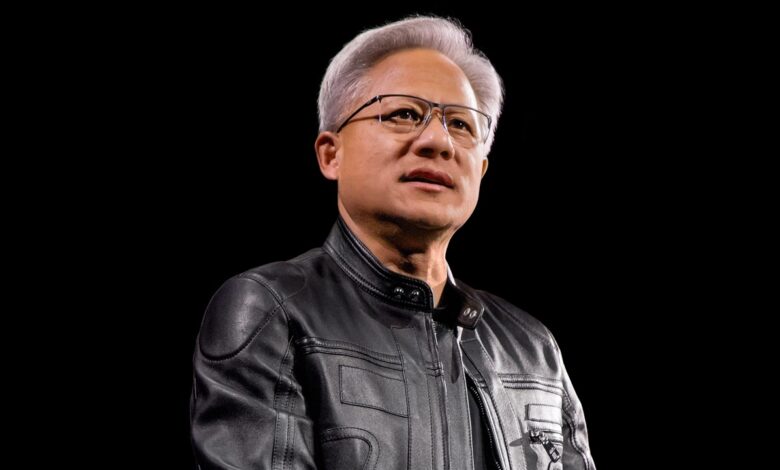
Jensen Huang is back in charge of Nvidia. The company’s board voted unanimously on Monday to reinstate him as president, chief executive and a board director, effective immediately. It comes 11 days after he resigned and six days after the board’s chair, Harvey Jones, opened Nvidia’s earnings call by saying the board did not intend to bring him back.
Nvidia makes the graphics processors inside gaming PCs and, more importantly for its revenue, the data centre chips that train and run most large AI models. Huang co-founded it in 1993, and its share price has followed his fortunes all month. The stock had lost more than 40% in a month before Monday’s news, then rose by more than 25% before the US market opened.
How he got here
Earlier this month we explained why US officials suspect Alice Huang, a Chinese citizen close to Huang and a former managing director of Singapore data centre company Megaspeed, of working for Beijing. She has not been charged, and China’s foreign ministry called the claims unsubstantiated. US officials are also examining whether Nvidia hardware bought by Megaspeed ended up in China, which export rules forbid.
On 8th November, Huang told staff he had been unfaithful to his wife, without naming anyone. The board opened an investigation that day into whether he had been targeted by a foreign intelligence effort. Four days later, after a second relationship was reported, he resigned and Colette Kress became interim CEO. Nvidia gave no reason.

Then last Tuesday, Huang said he would return if the board asked. The board said no on the earnings call the same day. Pressure kept building: an open letter backing him had more than 194,000 signatures, and US President Donald Trump said he “would not mind” Huang’s return.
What changed for the board
The board gives two reasons. After meeting Huang several times, it says it is satisfied with his candour and his ability to lead. It also says senior levels of the US government gave it input, and on that basis it is confident his return poses no national security risk.
It doesn’t say which officials, or what they said. Washington has not been united on Huang. On 15th November, Treasury Secretary Scott Bessent said Nvidia should hire an outside CEO and wanted answers within 10 days on whether its chips had reached China through shell companies.
Kress goes back to being chief financial officer and Jones stays as chair. The investigation into whether Huang was targeted continues with its own lawyers, and he says he supports it. Nvidia is also hiring a chief compliance officer, who will report to a board committee.
Huang still has to answer to Congress. He is due for a closed-door interview with three House committees on 1st December, and Nvidia’s general counsel Tim Teter follows on 2nd December. The committee chairs have called it an inquiry into a potential breach of US national security.
So the board has decided who runs Nvidia, but the questions that forced Huang out are still open: whether he was targeted by Chinese intelligence, and whether Nvidia chips reached China through Megaspeed. The board has also cleared him on national security based on what unnamed officials told it. Huang’s return calms investors for now. What the investigations find could still change where Nvidia is allowed to sell.





Join the discussion