

The Infinix Note 50S 5G has been in my pocket, my bag, and sometimes too hot to handle (literally) for several weeks. I’ve used it from the busy streets of Nairobi to the dusty roads of Vihiga, through lush greenery in Kakamega, in remote areas with patchy coverage, and in crowded events like the Kenya Secondary School Games at Mumias Complex. And trust me, this isn’t just another spec-sheet rundown. This is the review you get when someone actually lives with the phone through football tournaments, long boda rides, hot days, teargas chaos, and even some near-stampede action.
First Impressions Recap
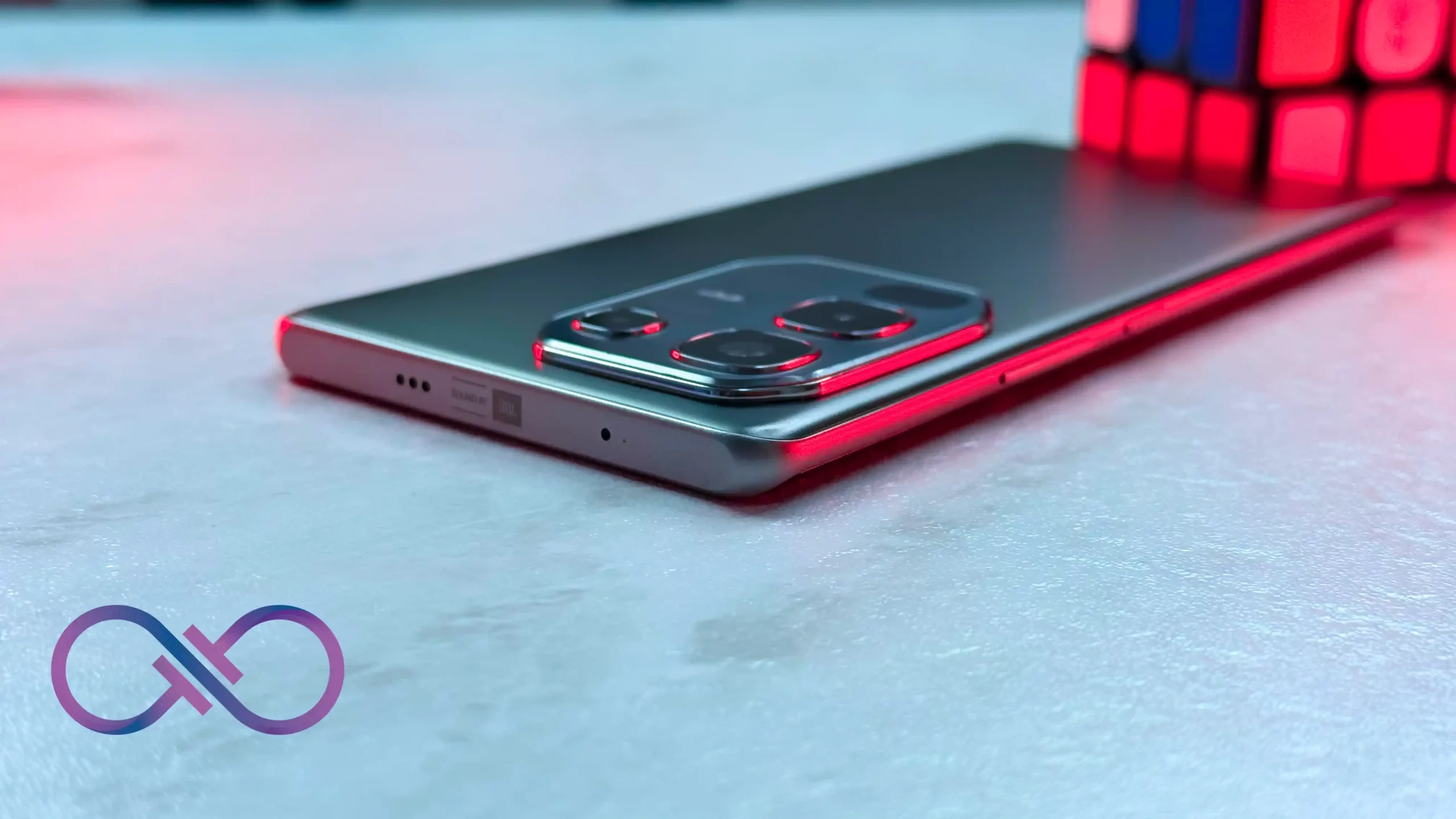
Let’s not lie. At KES 33,000 or cheaper depending on where you get it, the Infinix Note 50S 5G is a looker. It gives off serious high-end vibes with the curved 120Hz AMOLED display and sleek finish that’ll make your colleagues think you’ve spent way more than you did. As I wrote in my first impressions, the only downside to that curved display is the accidental touches on the edges, which occasionally mess up navigation.
It’s also surprisingly lightweight, and while I used the Titanium Grey variant, it looks striking in person. Infinix has figured out how to make plastic shimmer like metal. The design is sleek and clean, and even after being thrown into dusty bags and pockets, the finish held up without scuffs or fading. But don’t let that MIL-STD-810H rating fool you. It still feels like a phone you wouldn’t want to drop.
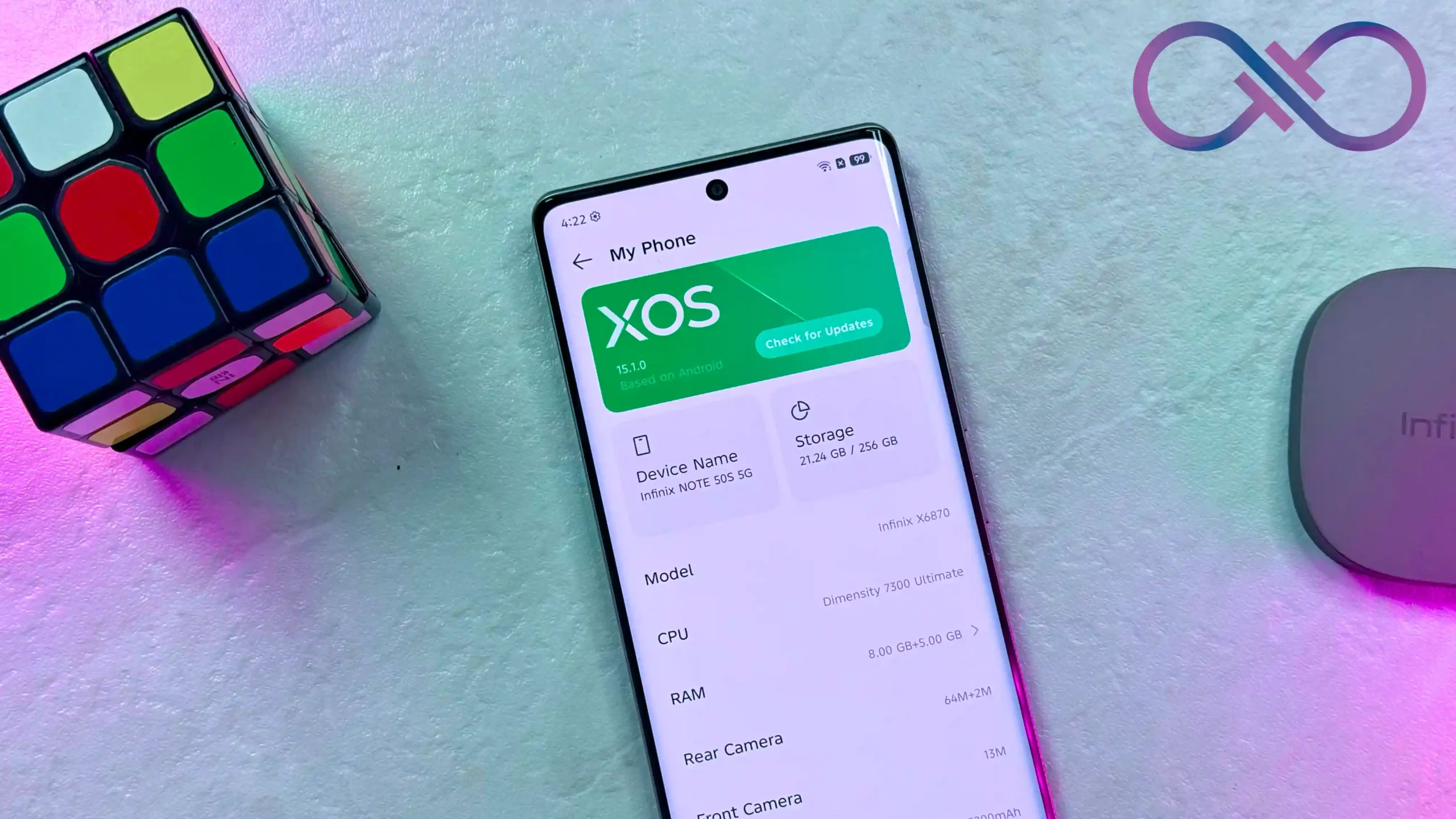
You can check out the rest of the Note 50S specifications here.

Display
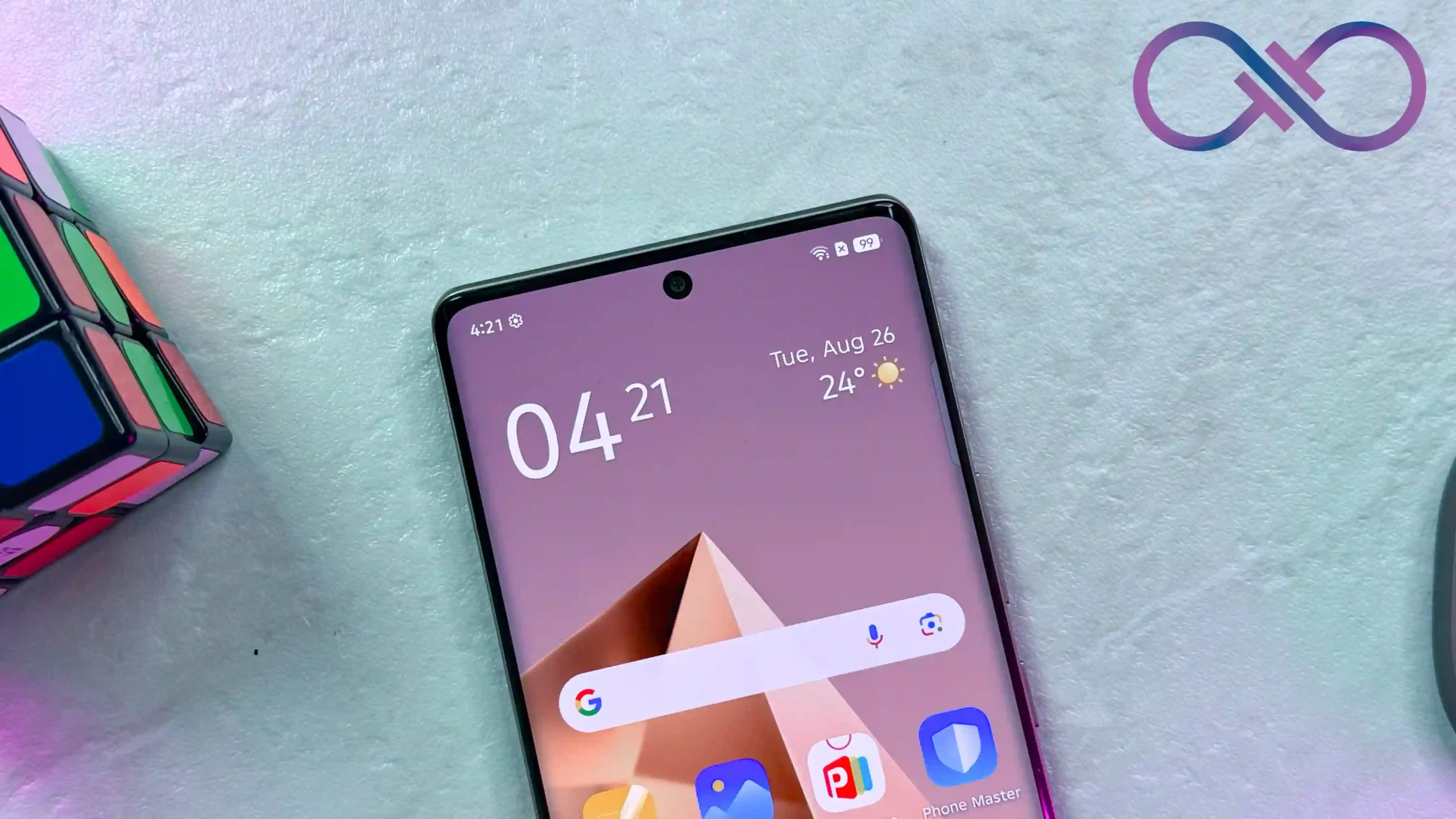
The screen is where this phone shines. Rated at up to 1300 nits, this is one of the few midrangers that truly holds its own outdoors.
At Mumias Complex, under intense mid-morning sun, I could easily take photos, record videos, browse updates, and even review photos without cupping my hand over the screen. This is a big win for people living in sun-heavy counties or attending outdoor events. However, the curved edges, while visually pleasing, are a double-edged sword. Accidental touches were frequent when typing or scrolling. They also made the phone feel more delicate than it looks.
Biometrics
The in-display fingerprint scanner looks modern and integrates nicely, but it’s not without quirks. In my daily use:
- It often failed to read my fingerprint if my fingers had a bit of dust, sweat, or moisture; something that’s hard to avoid when you’re constantly moving between counties and weather conditions, as well as doing some farm chores.
- At night, the scanner’s bright light flashes very sharply, enough to hurt your eyes in a dark room when you’re trying to unlock your phone in bed or in a dim vehicle.
To make life easier, I enabled face unlock, and I highly recommend doing the same. It kicks in seamlessly when the fingerprint fails and works fast as long as you’re in decent lighting.
Thermal Performance
If there’s one flaw that genuinely impacts usability, it’s heat.
In open sun, the phone becomes extremely hot after as little as 5-10 minutes of calls, browsing, or recording video. This isn’t just background warmth; this is “let me take a break before it burns me” heat. At one point, I had to hold the phone away from my ear during a long call because the top part became uncomfortable.
This happened most often in:
- Direct sunlight during calls
- Recording videos outdoors
- Browsing with brightness maxed out
The software occasionally dims the screen to manage thermals, and background apps slow down, suggesting thermal throttling is kicking in. But this issue is less severe indoors or in cooler environments like Nairobi’s shade. But in Vihiga and Kakamega’s open terrain and during the chaos of the games, it became a usability hurdle.
Network & Reception
Now here’s where the Infinix Note 50S 5G beats many competitors. I tested it across Safaricom and Airtel SIMs, and in all locations — including remote corners of Vihiga and rural Kakamega — the phone consistently picked up usable signal. In places I usually get patchy 4G, I was surprised to see consistent 4G and even 5G on both Airtel and Safaricom.
Even more impressively, I didn’t need to manually restart the phone or toggle airplane mode like I’ve done with some other phones when moving between network zones. The Note 50S handled network transitions smoothly. But in congested areas like Mumias Complex, it’s the telcos that drop the ball, not the phone. Calls struggled, internet crawled, and in a near-stampede moment, I couldn’t even reach my friend because calls simply wouldn’t go through. Infrastructure there needs serious attention.
Call Quality and Audio
A highlight not many reviews mention: the call quality is exceptional. I made calls on a moving boda and everyone thought I was chilling somewhere quiet. Noise cancellation on this thing? Top tier. Infinix, whatever you’re doing here, keep doing it.
Earpiece clarity is also strong, and volume levels are sufficient even in loud outdoor environments. The JBL-tuned stereo speakers provide good-enough audio for podcasts, voice notes, and casual video watching. They aren’t flagship-level, but they don’t distort easily.
Camera, Gaming & Daily Use
The 64MP main rear sensor is clearly tuned for outdoor shooting. During the day, images are detailed, well-exposed, and surprisingly color-accurate. At the school games, I was able to snap motion shots of footballers and team celebrations without excessive blur probably thanks to EIS (not mentioned in official materials) and snappy focus. Video recording maxes out at 4K, and the results are very good in good lighting. There’s clear sharpness, decent stabilization, and enough dynamic range. I took so many photos and videos with this phone, and they are so good. You can check out tens of photos and videos of how the Infinix Note 50S camera performs in this article: My Photo and Video Diary from the KSSSA Football Finals at Mumias Complex.
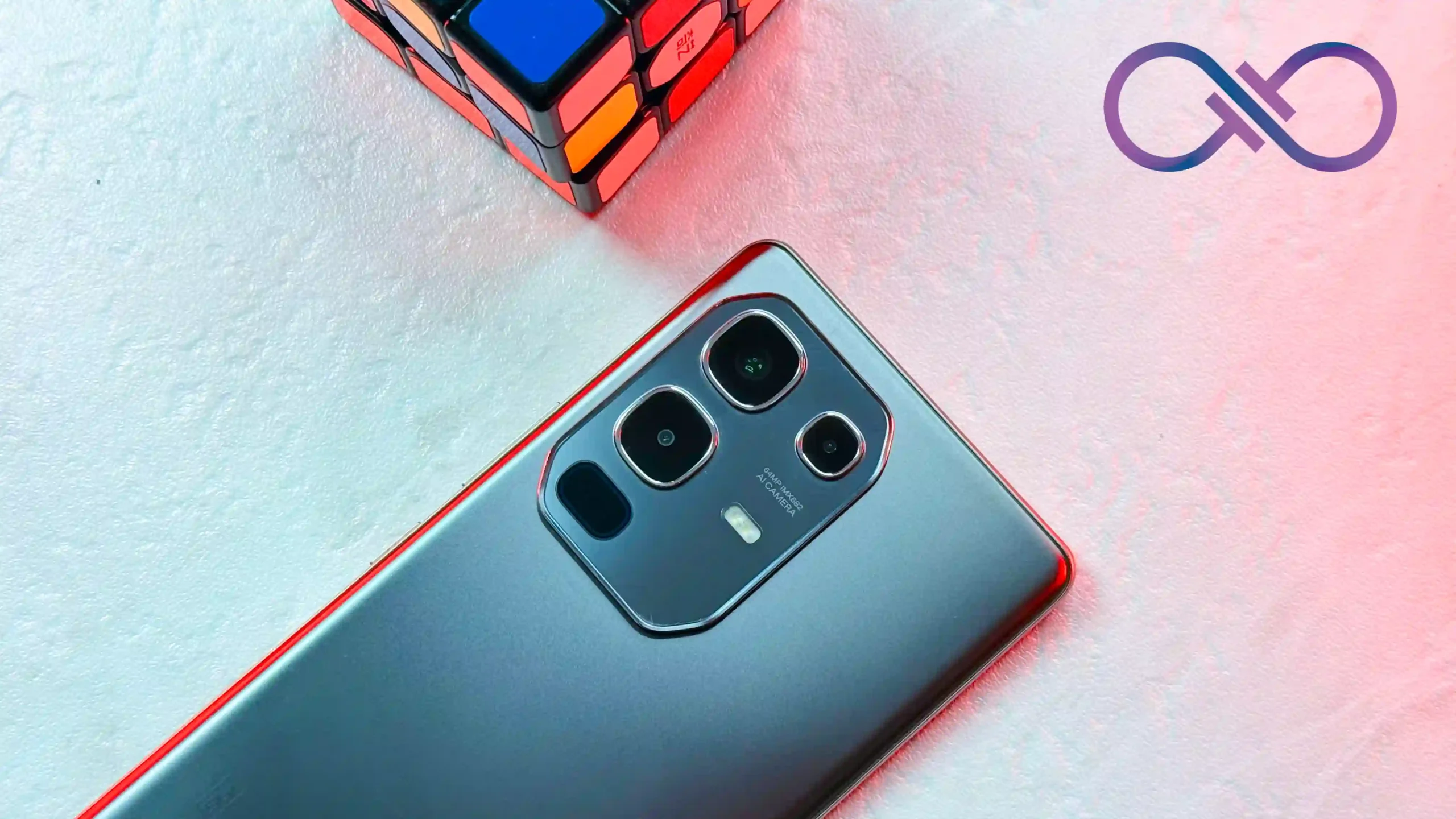
At night, though, quality takes a hit. Even with Super Night mode, images are soft, noisy, and lack dynamic range unless aided by ambient light. The dual flash helps a bit, but don’t expect miracles. Low-light video recording, in particular, suffers from jitter and grain. The front camera does well for social media selfies in both day and artificial lighting but lacks consistency.
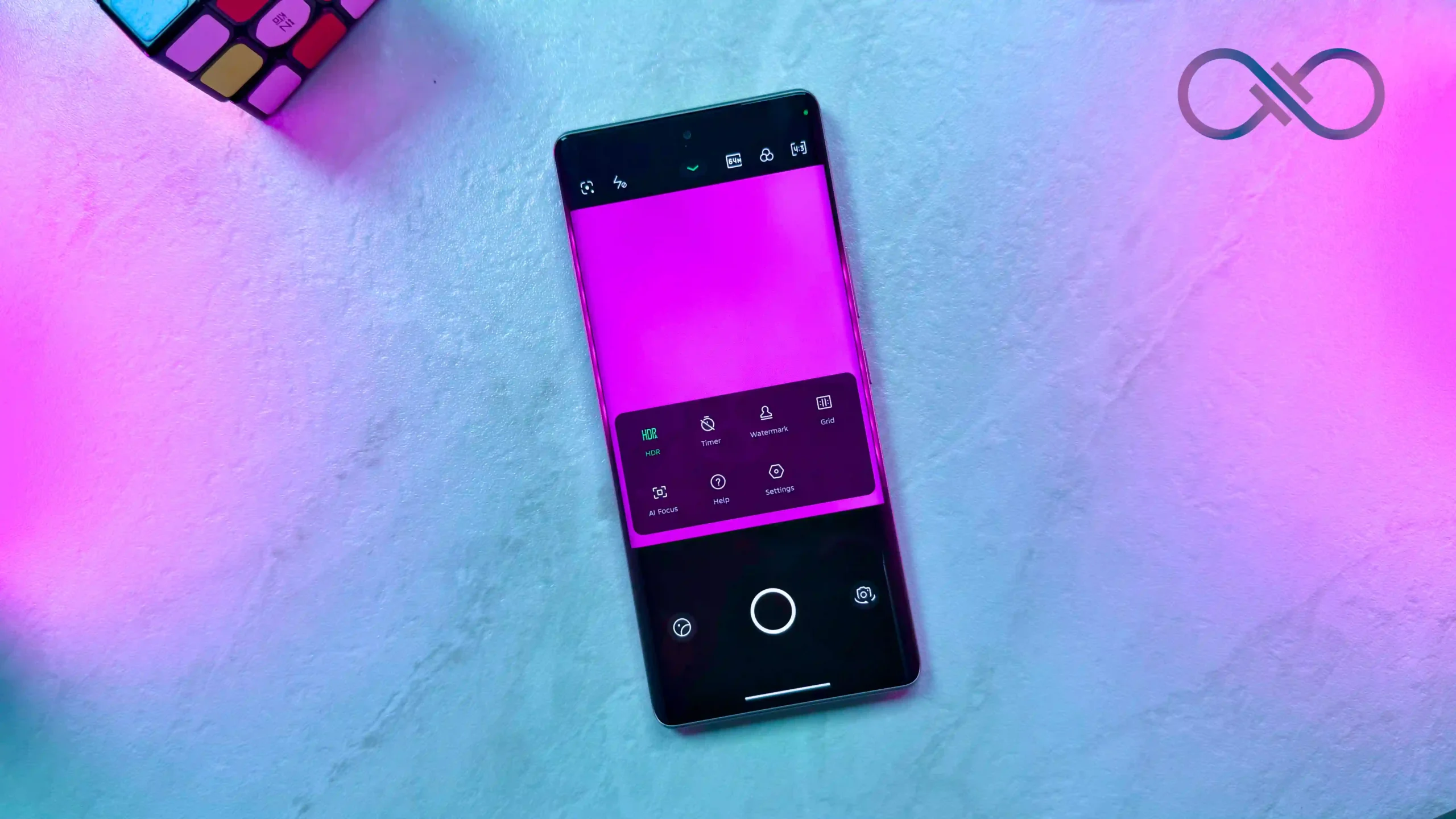
Other camera modes are also there to play with, including AIGC portrait, slow motion, time-lapse, dual video, panorama, super macro, pro, sky shop, and documents.
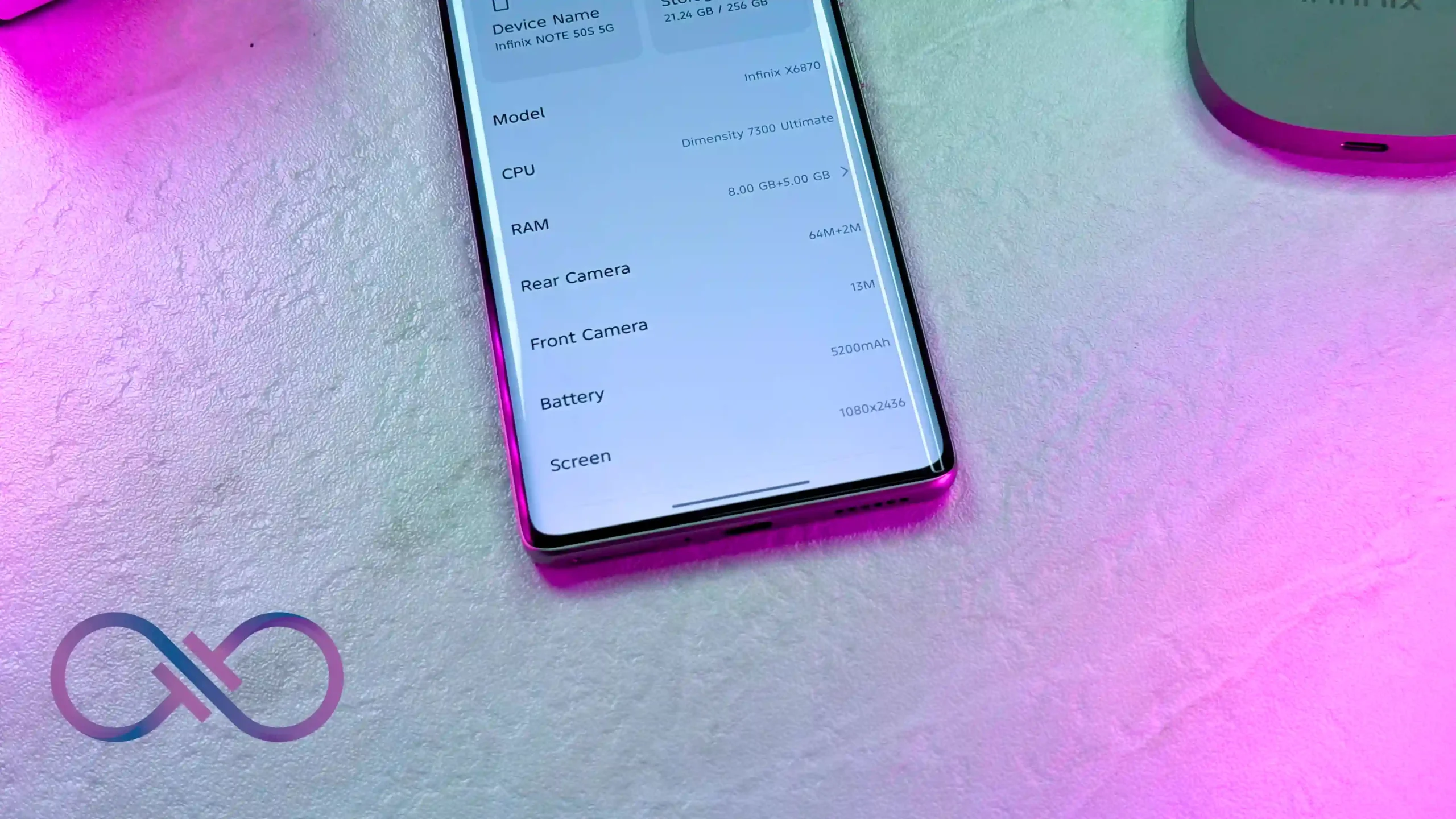
Powered by the Dimensity 7300 Ultimate (4nm) chipset and paired with 8GB physical RAM, the phone handles daily multitasking, browsing, messaging, light editing, and app switching without breaking a sweat — at least until the sun hits. I’m not much of a gamer, but for the purposes of this article, I tried what any other football fan would think of: FIFA. And it ran fine with medium graphics. But I wouldn’t recommend prolonged gaming outdoors or while recording, because heat buildup slows performance down.
That said, for 90% of users (students, creators, professionals), performance will be more than enough.
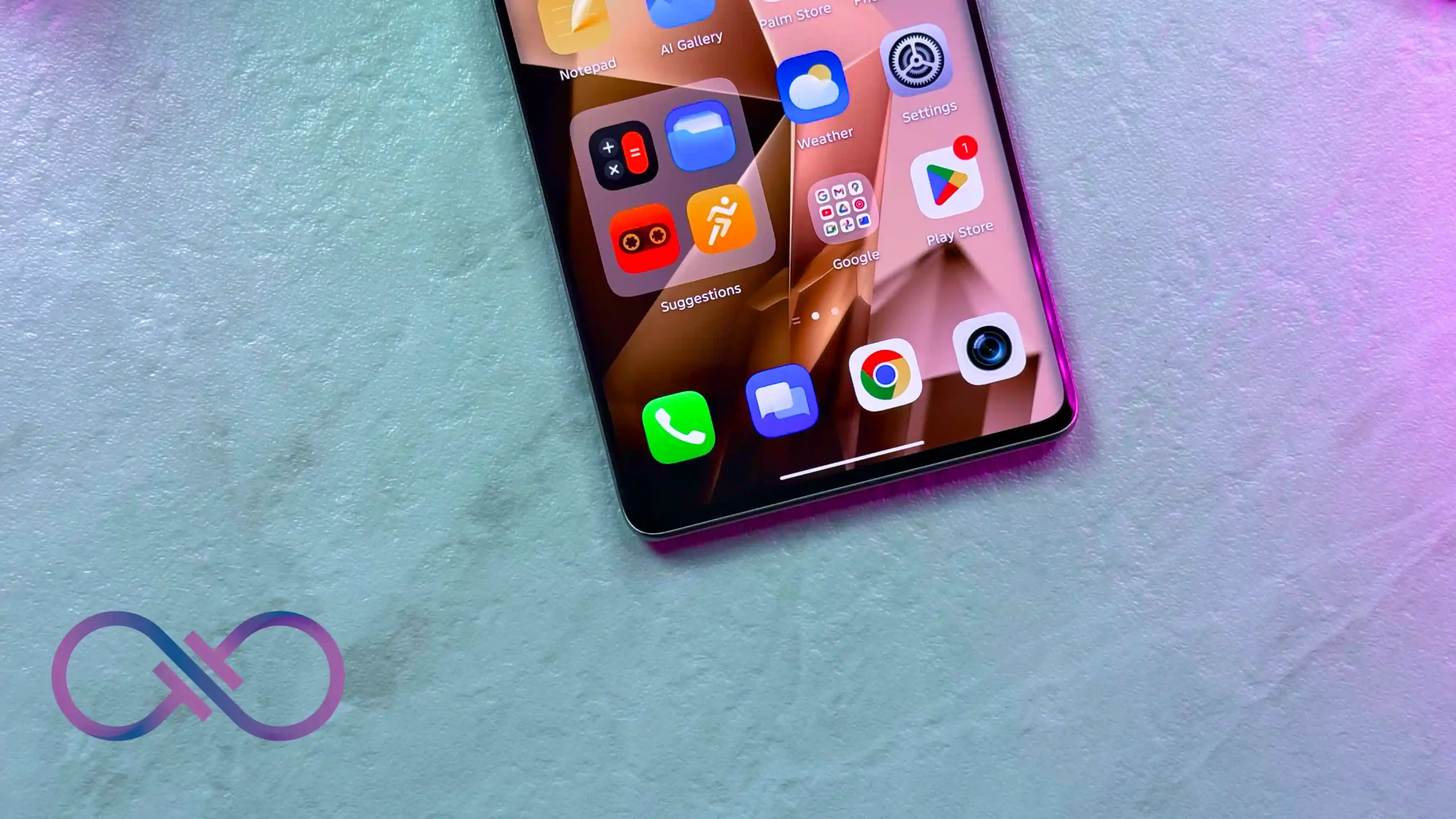
The software experience on XOS 15 (based on Android 15) is far more polished than older versions. Ads are rare, the UI is snappy, and there’s a good mix of utility features like:
- Dynamic Island-style Dynamic Bar
- Circle to Search
- Smart Panel
- Video Assistant
I removed some apps I didn’t need, but nothing in it made me want to throw the phone. The Dynamic Bar and Circle to Search were nifty, but not life-changing. Overall, it’s one of the cleanest XOS experiences yet.
Infinix has also promised two Android OS updates, meaning the Note 50S 5G will receive Android 16 and Android 17 when the time comes. You also get three years of security updates.
Battery & Charging
The 5,200mAh battery gave me a full day’s use across all counties even with dual SIM 5G on and lots of media consumption. On average:
- Screen-on time: 6–8 hours
- Charging time (0–100%): 60–65 minutes with the 45W charger
Fast charging works reliably, and the bypass charging feature is brilliant. It powers the phone directly without heating the battery, perfect for gaming or prolonged use when plugged in. There’s also 10W reverse charging support, which I used to juice up a friend’s TWS earbuds and another phone in a pinch.
Verdict: Is the Infinix Note 50S 5G Worth It?
Yes, but with context.
The Infinix Note 50S 5G punches above its weight in almost every area that matters for Kenyan users: network reception, outdoor screen usability, cameras, and battery life. The design is modern, and the software is smooth with far fewer annoyances than previous Infinix devices.
So, if you want a phone that looks modern, takes good photos, handles Kenyan network environments well, and lasts all day on a single charge, this is easily one of Infinix’s best midrange options yet. However, if your lifestyle involves long periods under the sun; say you’re a delivery rider, fieldworker, boda operator, or outdoor vendor, you’ll want to manage expectations. The heat build-up and biometric quirks are perhaps its biggest weaknesses.
Who It’s For:
- Content creators on a budget
- Users looking for reliable 5G in Kenya
- Students and professionals who want modern design + dependable battery
Who It’s Not For:
- People mostly outdoors in hot environments
- Anyone needing flawless fingerprint security
- Heavy gamers
Final Thoughts
The Infinix Note 50S 5G is more than just another spec-heavy midranger. It’s a phone that shows up where it matters most; whether it’s reliable network access in rural Kenya, strong visuals in Kakamega sun, or clear calls while navigating Nairobi traffic.
But as much as Infinix nailed the aesthetics and features, the heat issue needs urgent attention, especially for regions like ours where sunlight is not optional. If Infinix can patch this or optimize thermals and refine the fingerprint experience in future updates (or via hardware tweaks in follow-ups), they’ll have a near-perfect midrange champion on their hands.






Join the discussion