
Back in 2016, when the Samsung Galaxy Note 7 started bursting into flames, battery capacity was among the first suspects. Samsung had crammed what was then a massive 3,500mAh cell into the device (up from 3,000mAh in the previous Galaxy Note 5), only to later roll it back to 3,200mAh for the Galaxy Note FE as part of its damage control.
That incident forever changed how we talk about smartphone batteries. Apple decided to stick with smaller units, betting instead on chip efficiency and iOS optimization. Android manufacturers, on the other hand, leaned heavily into bigger and bigger battery packs to guarantee endurance. It was a simple equation: if software-hardware harmony is tricky, throw in more juice.
And so, we went from a “huge” 3,500mAh in the Note 7 to 4,500mAh in the Note 20 Ultra and now a standard 5,000mAh in today’s flagships like the Galaxy S25 Ultra. Yet despite those bumps in size, flagships have rarely marketed themselves on battery capacity. That’s usually the selling point for mid-range and budget devices—the Xiaomis, Realmes, and Tecnos of the world that proudly scream 6000mAh! on their posters. Flagships typically sell you on everything else: performance, cameras, build, software optimization, AI tricks. Battery life matters, of course, but not necessarily the sheer number on the spec sheet.
Well, all that just changed.

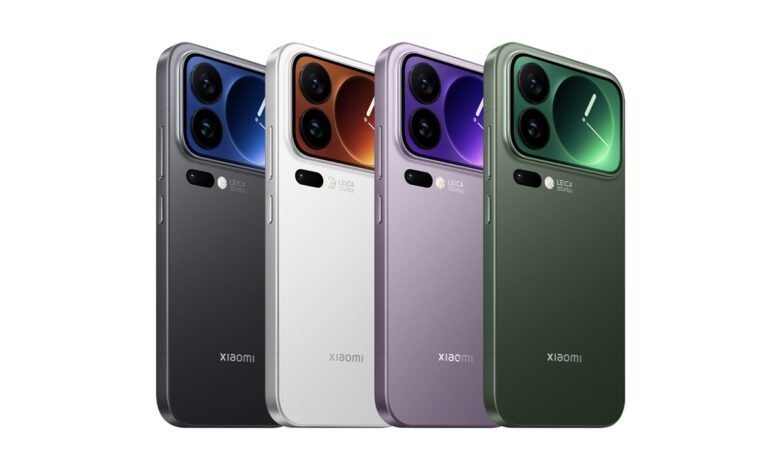
The iPhone 17 Pro Max shocked everyone by shipping with a battery bigger than the Galaxy S25 Ultra’s, something we never thought we’d see in Apple land. But Xiaomi? Xiaomi went and smashed the door wide open with the Xiaomi 17 Pro Max, packing an absolutely wild 7,500mAh battery. The vanilla Xiaomi 17 doesn’t lag far behind either with a 7,000mAh cell, and even the “smaller” 17 Pro sits at 6,300mAh. These are numbers we used to associate with tablets or rugged bricks, not slim, premium flagships.
So why does a phone need that much power?
Because we’ve officially entered the 7,000mAh battery era. And this time time, flagships are leading the charge.
Don’t just take my word for it. According to GSM Arena’s phone finder, over 90 phones have launched this year with 7,000mAh batteries or more. But until Xiaomi came along, none of those devices wore the “flagship” crown. They were mostly rugged units from Blackview, Oukitel, Doogee, and the usual suspects, with a few mid-rangers sprinkled in. Go back to 2024 and the number drops to 49. In 2023, only 36. The growth is real.
The difference in 2025 is that Xiaomi just flipped the script. The 17 Pro Max is not only massive on battery. It’s still sleek, measuring 8mm thick and weighing just 219g. That’s actually lighter than Apple’s iPhone 17 Pro Max at 233g despite having additional 1,500mAh worth of battery. So Xiaomi isn’t just showing off raw numbers, they’re proving you can pack this much juice into a premium design without making it feel like you’re carrying a brick.
And that’s why this feels like the start of something bigger. Once Apple dared to beat Samsung in raw battery capacity, and Xiaomi proved you can go all the way to 7,500mAh without sacrificing elegance, you can bet the rest of the Android world is paying attention. Expect to see Samsung, OPPO, Vivo, and others experimenting with their own takes—maybe 6,800mAh here, 7,200mAh there—as they try to hit that sweet spot between endurance, design, and bragging rights.
So here we are. Five years ago, 4,500mAh felt huge. Today, 5,000mAh is just “okay,” and 7,000mAh is the new frontier. The Xiaomi 17 series just set the bar, and in classic Xiaomi fashion, they did it unapologetically. By the time we hit 2026, don’t be surprised if your favourite flagship quietly slips into the 7,000mAh club too.
The only real question left is how long before Samsung joins the party?







Reminds me of my previous Samsung M51 which had 7000mAh, could charge other phones and still lsst long. Very powerful device though stopped getting major updates.
-Matubia