If you read my reviews last year, you might remember the absolute network blackout I experienced at the Mumias Sports Complex during the 2025 KSSSA national games in Kakamega County. At the time, I was daily-driving the Infinix NOTE 50S 5G, a phone I thoroughly enjoyed testing for its camera and 5G capabilities, but even the best hardware is rendered useless when the local cell towers buckle under the weight of a massive crowd. I couldn’t share updates, upload photos, or even communicate reliably. It was a glaring reminder of how poorly our local telcos handle sudden surges in network traffic.
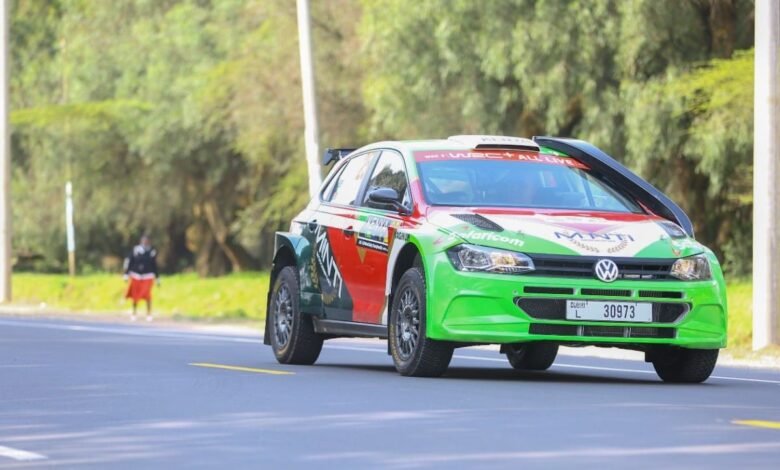
Now, fast forward to today, Safaricom has just announced its comprehensive technology and connectivity plans for the highly anticipated 2026 WRC Safari Rally in Naivasha. Looking at their strategy, it’s clear they are addressing the exact pain points I experienced in Mumias, deploying heavy-duty tech to ensure Naivasha doesn’t suffer a similar fate.
Enter the ‘COWs’ and 5G media hubs
To combat network congestion in the rugged and heavily populated rally zones, Safaricom is rolling out multiple Connectivity on Wheels (COWs). For the uninitiated, COWs are portable mobile cellular sites that provide temporary network and wireless coverage to locations where cellular coverage is minimal or compromised by massive crowds.
Alongside the COWs, Safaricom is optimizing its 5G network in key locations to handle high-speed data demands, ensuring seamless global livestreaming and digital content distribution.
They are also rolling out the red carpet for the press. Recognizing the intense global spotlight on the event, Safaricom is setting up fully equipped media centers fitted with high-speed 5G Wi-Fi for local and international journalists. Select media practitioners will even receive bulk mobile data packages to guarantee uninterrupted reporting directly from the rally stages.
Smart safety and remote livestreaming
Safaricom’s intervention isn’t just about fast internet for social media. They are also deploying IoT-enabled telematics across the rally’s safety caravan fleet, which includes ambulances and rapid response units. By turning these rescue vehicles into connected smart assets, command centers will receive real-time data, automated alerts, and instant incident notifications. According to Safaricom CEO Peter Ndegwa, this will significantly improve response times and overall safety management across the expansive rally routes.
“By transforming rescue vehicles into connected smart assets, we are enhancing visibility, improving response times, and strengthening overall safety management across expansive rally routes,” Ndegwa said.
For fans who won’t make it to Naivasha, the telco is introducing special rally-themed data bundles. Fans can purchase the bundle, click a provided link, and livestream the action directly from their mobile phones.
The optics of global vs. local events
While I commend Safaricom for this robust technological deployment, I can’t help but look back at the KSSSA games with a bit of skepticism. Was this same treatment offered in Mumias last year? Given my experience, absolutely not.
It is hard to ignore the reality that Safaricom’s massive investment in Naivasha is heavily driven by global optics. The WRC Safari Rally attracts international drivers, global media, and tourists from all over the world. No telco wants their network described as poor or unusable by international visitors on a global stage. The KSSSA games, on the other hand, are a purely Kenyan affair. It seems local events don’t quite warrant the deployment of COWs, leaving thousands of Kenyan students, parents, and sports fans to deal with agonizing network congestion.
Looking ahead to KSSSA 2026
Unless my schedule changes drastically, I won’t be attending the Safari Rally this year to test these COWs in person. However, I am keeping my eyes on the upcoming 2026 KSSSA national sports games.
My hope is that Safaricom—and Airtel Kenya, for that matter—will take the lessons learned from Naivasha and start treating our local events with the same level of infrastructural respect. Deploying COWs at national school games would completely transform the experience for attendees and local media.
I plan to attend the KSSSA games later this year just to test the waters again. Let’s see if local events finally get the 5G and COW treatment, or if reliable connectivity remains a luxury reserved only for the global stage.