


After more than two years without a fresh Fitbit-branded device, Google has finally unveiled new hardware. The Fitbit Air is a screenless fitness tracker that weighs just 5.2 grams (12 grams with the band), priced at $99.99 (about KES 12,915 at the current 129.15 exchange rate, before tax and import). Pre-orders opened on May 7, 2026, with shipping beginning May 26.
There’s also a Stephen Curry Special Edition for $129.99 (around KES 16,800), with a water-resistant coating and racing-stripe interior print designed to improve airflow during workouts.
But here’s the catch for the Kenyan market: Google’s launch list covers 21 countries spanning North America, Europe, Australia, New Zealand, Singapore and Japan. Kenya is not on it. If this feels familiar, it’s because we’ve already covered the painful reality of region-locked wearables in Kenya, where our editor’s Apple Watch ECG simply doesn’t work because the Ministry of Health hasn’t approved it.
The pebble approach: no screen, by design
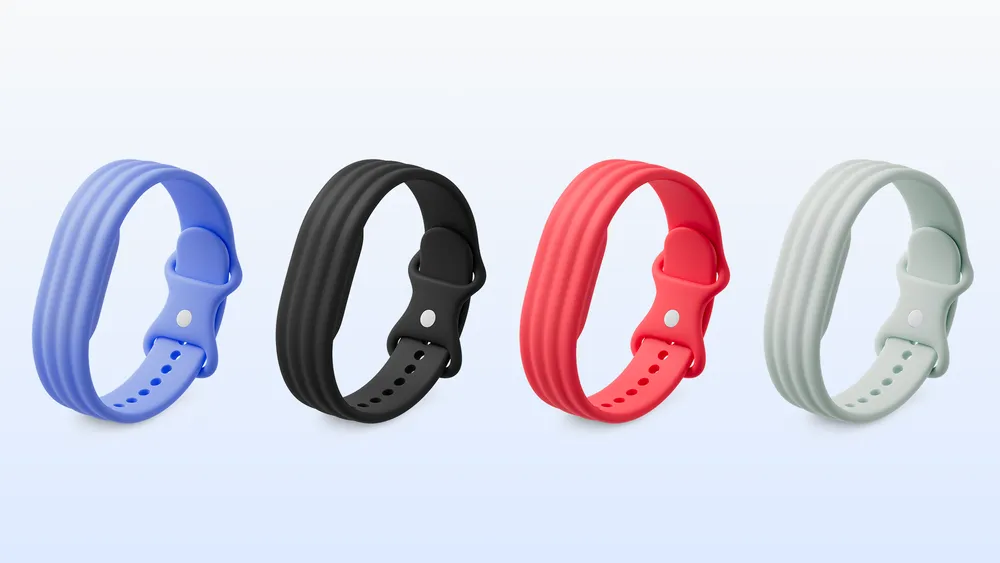
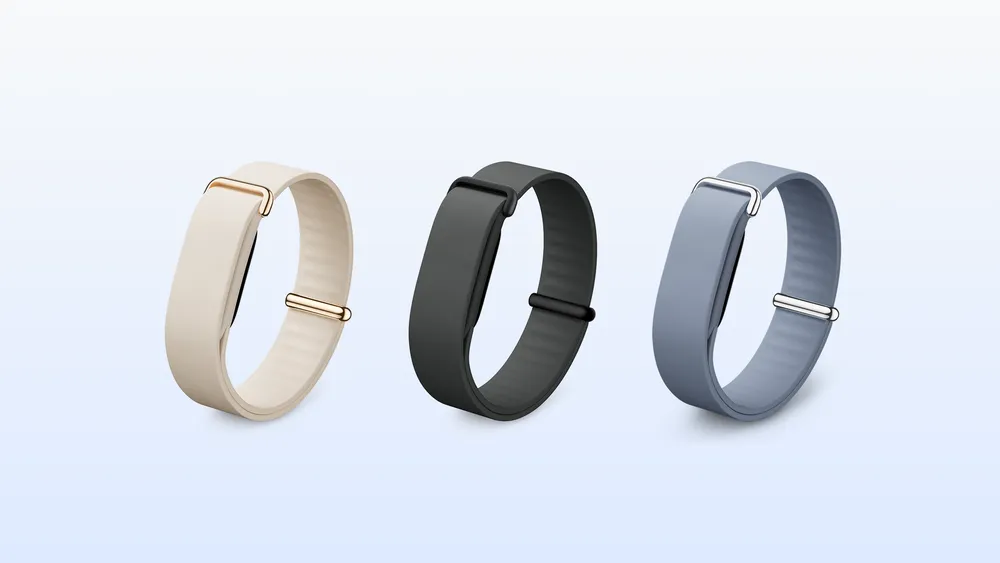
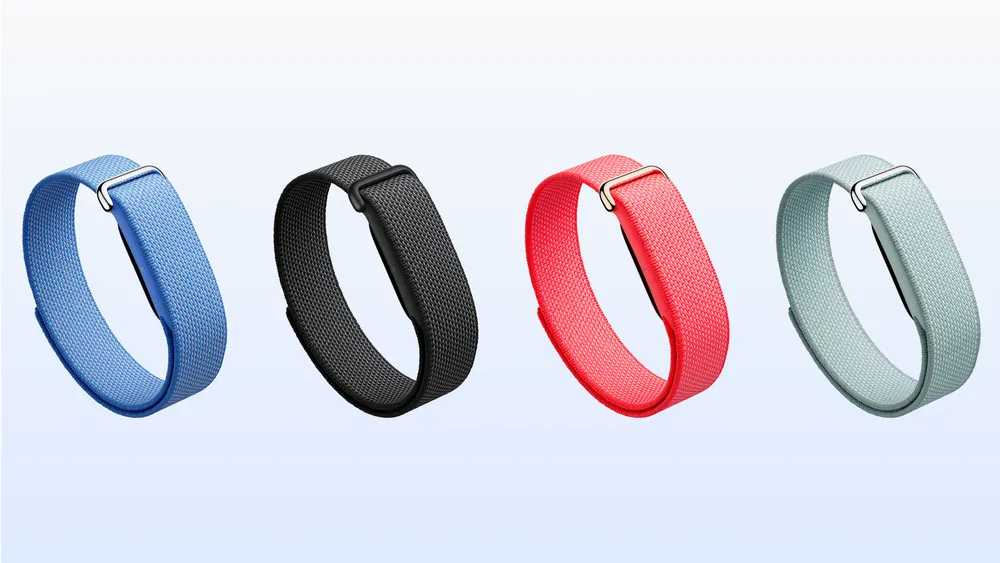
The Fitbit Air is a pill-shaped plastic pebble that pops in and out of an interchangeable band. There is no display at all. Every metric, every notification, every workout summary lives in the new Google Health app, which replaces the old Fitbit app on May 19.

The thinking is simple: most people already carry a screen in their pocket. A wrist screen adds bulk, distractions, and battery drain. By stripping it out, Google gets a 5.2g device with seven days of battery life on a single charge. Five minutes of charging gives you a full day of use, and 0 to 100% takes 90 minutes via a new USB-C magnetic puck.
The specs that matter
Inside that pebble are an optical heart rate monitor, a 3-axis accelerometer and gyroscope, red and infrared sensors for SpO2 (blood oxygen), and a skin temperature sensor. It tracks 24/7 heart rate, heart rate variability, sleep stages, and crucially, irregular heart rhythm notifications for AFib (atrial fibrillation).
What it does not have is an ECG sensor. That’s still reserved for the Fitbit Sense 2 and Pixel Watch. It also lacks built-in GPS, so workout distance comes from your connected phone. Water resistance is rated to 50 metres, and Bluetooth 5.0 handles syncing.
A nice touch: for the first time, Google lets you pair the Fitbit Air alongside a Pixel Watch on the same account. You can wear the Pixel Watch by day and switch to the lighter Air for sleep tracking, with data unified in Google Health. As 9to5Google notes, there’s no benefit to wearing both at the same time, but the seamless switching is new.
How it compares to the Apple Watch and Chinese rivals
This is where things get interesting for buyers in Kenya, who would mostly need to import the Air anyway.
Against the Apple Watch SE 3 ($249, roughly KES 32,150), the Fitbit Air is less than half the price, lighter, and lasts seven times longer between charges. But the Apple Watch has a screen, ECG, calls, apps, and Apple Pay. They serve different needs.
Against Whoop 5.0, the Fitbit Air is a direct shot. Whoop charges nothing for hardware but locks you into a $199-per-year subscription. Fitbit Air is $99.99 once, with optional Google Health Premium at $9.99/month or $99.99/year. The Air also has longer battery life (7 days vs Whoop’s 5) and better water resistance (50m vs 10m).
Against the Xiaomi Smart Band 10 (around KES 5,500-7,000 imported), the Air looks expensive. The Xiaomi has an AMOLED display, claims up to 21 days of battery life, and tracks more than 150 workout modes. It just doesn’t get AFib detection, the Google Health Coach AI, or the Google ecosystem polish.
Against the Huawei Band 10 and 11 Pro (KES 6,000-9,000), the calculus is similar: they have screens, longer battery, often built-in GPS on the Pro models, and cost half as much. They simply don’t compete on AI-driven coaching or AFib alerts.
Against Oraimo (the Watch 5 Lite and Watch 6 Lite retail in Kenya for KES 2,500-4,500), there is no real comparison on features, but Oraimo wins on price, accessibility, local warranty support, and the simple fact that you can walk into a Nairobi shop and buy one today.
What this really signals
The Fitbit Air is more than a product. It’s the first hardware launch under the new “Google Health” branding, with the Fitbit app being retired entirely. The Gemini-powered Google Health Coach is now the main software experience, and your medical history is being pulled in via partners like b.well and CLEAR (US only, for now).
For Kenyan buyers, the practical question is whether to import a $99.99 wrist pebble that requires a Google account migration and works best with US/UK clinical integrations, or stick with locally-supported alternatives. Until Google adds Kenya to the supported list, that answer leans heavily towards “wait.”






Join the discussion