
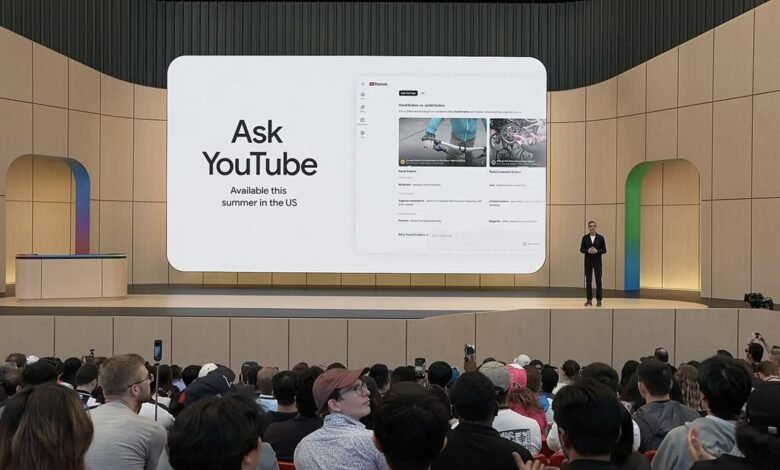
Just a month after launching its experimental Ask YouTube feature for desktop users, Google is now bringing this powerful conversational search directly to the biggest screen in your house. Starting this week, Ask YouTube is officially expanding to the YouTube app on smart TVs, gaming consoles, and streaming devices.
If you missed the initial drop in late April, Ask YouTube represents a massive shift in how we discover content. Instead of typing in rigid, keyword-driven queries, the platform now lets you ask complex, natural questions. This move, now supercharged by Gemini, feels like the beginning of the end for traditional keyword search. Google promises this upgrade will surface the “most relevant videos across all of YouTube’s catalog,” blending long-form videos, Shorts, and informative text into a structured response.
For creators, this signals a pivotal moment; publishing strategies will inevitably shift to optimize for AI-first discovery.
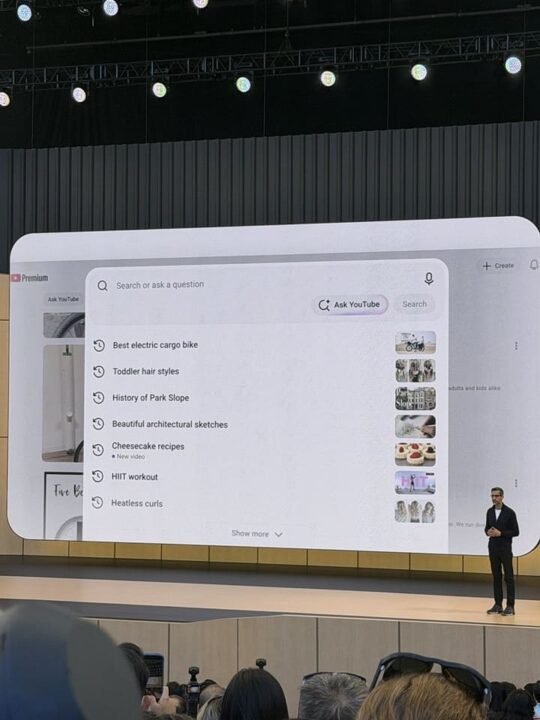
So, how does it actually work on your TV? It’s refreshingly intuitive. If your TV or streaming stick remote has a microphone button, you can simply trigger it from the YouTube home or search page and ask things like, “Catch me up on the Oscars highlights” or “Find one-hour relaxing cooking videos.” Even better, you can use your voice while actively watching a video to trigger the conversational AI tool, perfect for asking contextual questions about the content currently on your screen.

If you prefer the old-school way, you can still type a standard keyword search and tap the new Ask YouTube button to generate a curated AI response rather than an endless list of thumbnails.
Right now, YouTube is testing this TV expansion with a small group of users. Because the underlying Ask YouTube experiment is currently locked to YouTube Premium members over 18 in the US who opt-in (with plans to expand to non-Premium users in the future), this initial TV rollout is similarly restricted to our American readers.
However, given the aggressive pace at which Google is deploying Gemini across its ecosystem, we fully expect this feature to roll out much more widely in the coming days, eventually hitting screens right here in Kenya.





Join the discussion