

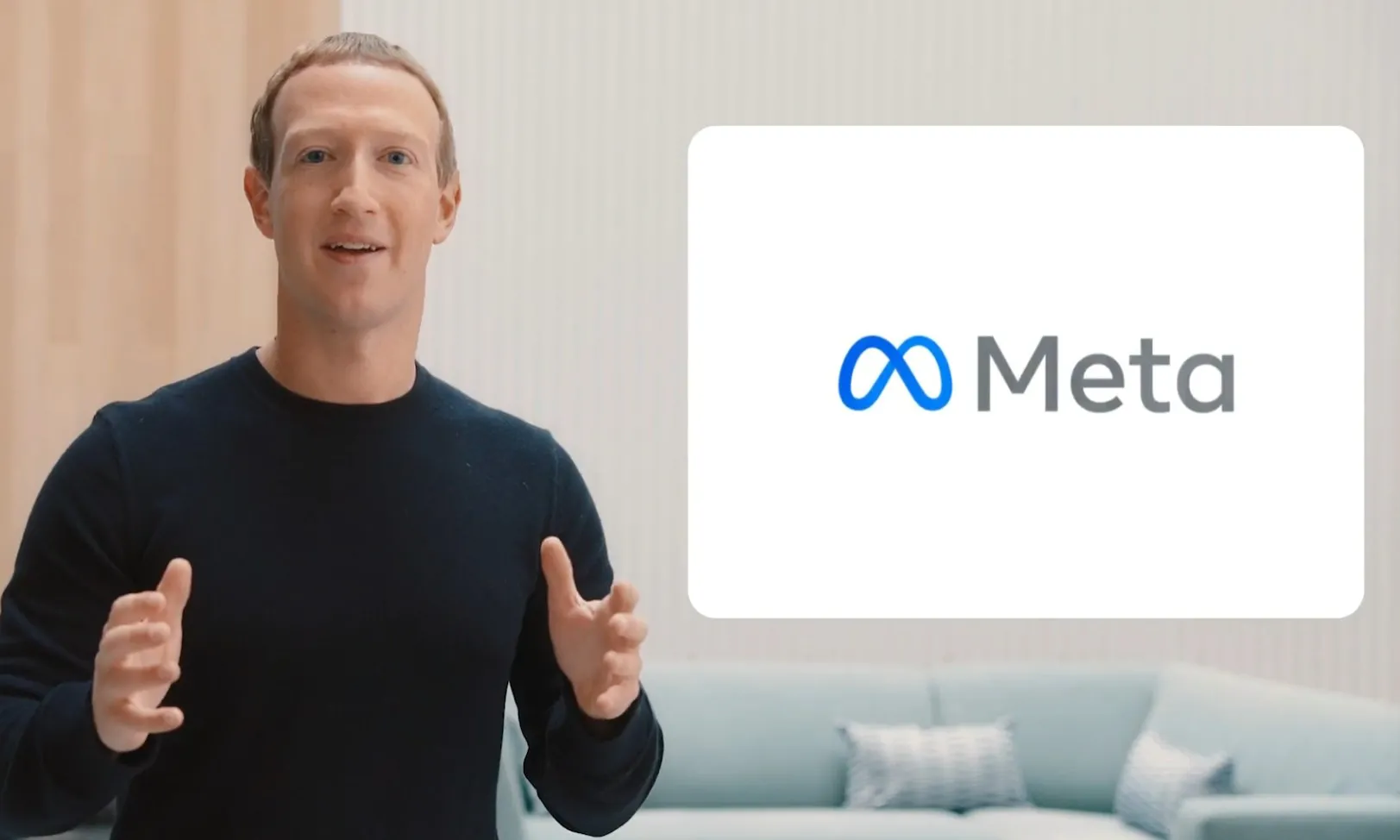
Meta has officially started charging for Instagram, Facebook and WhatsApp. Not for the apps themselves, which remain free, but for a new layer of “Plus” features that the company is rolling out globally under a fresh subscription brand called Meta One.
Here is what is actually being sold.
Instagram Plus costs $3.99 a month (roughly KES 517 at today’s rate of 129.56 to the dollar). Subscribers get story insights showing how many people rewatched a story, unlimited custom audience lists beyond Close Friends, the ability to spotlight a story for a week, the option to extend a story past 24 hours, a preview mode that lets you watch other people’s stories without showing up as a viewer, and Super Heart animated reactions. You can also post straight to your profile without it appearing in followers’ feeds.
Facebook Plus is also $3.99 a month (KES 517) and gives you a similar bundle, focused on profile customisation, reactions and analytics.

WhatsApp Plus is cheaper at $2.99 (KES 387). It is not about social expression. It is about personalising the messaging app: custom themes, ringtones, more pinned chats, list customisation and premium stickers.
Then there is the AI tier. Meta is testing Meta One Plus at $7.99 (KES 1,035) and Meta One Premium at $19.99 (KES 2,590) for heavier Meta AI users. The Premium plan unlocks deeper reasoning on complex tasks and more image and video generation across Meta’s apps. Free Meta AI access remains but with usage limits. These plans start testing next month in Singapore, Guatemala and Bolivia.
For creators and businesses, Meta One Essential at $14.99 (KES 1,942) bundles the Verified badge, impersonation protection and an enhanced linksheet. The top tier, Meta One Advanced at $49.99 (KES 6,477), promises higher placement in Facebook and Instagram search, a bolder Follow button on Reels, automatic follow invitations, deeper competitive analytics and team access controls. These business plans are being tested in Saudi Arabia, Morocco, Thailand and Bangladesh first.
Importantly, none of this replaces the existing Meta Verified subscription. That stays.
So why is Meta doing this now, and why does it matter for us in Kenya?
The advertising business is breaking, slowly
Most of the open internet runs on the same deal. You read a website for free, the website shows you ads, the ads pay the writers. That deal is fraying.
Google’s AI Overviews and AI Mode now answer most questions inside the search results page. Zero-click searches account for roughly 60 percent of all Google queries, and for news queries that figure rose to about 69 percent in the year after AI Overviews launched. Google search traffic to publishers fell 33 percent globally in the year to November 2025.
The rest of us, meanwhile, have quietly switched search habits. We ask Claude, ChatGPT, Gemini and Perplexity for answers more often than we punch a query into Google. Those tools summarise the web for us. We rarely click through.
The end result is the same problem for any business that depended on attention plus ads: the attention is being intercepted before it reaches the destination. Social platforms are not immune. Meta still makes the overwhelming majority of its revenue from advertising, but growth has flattened because the apps have saturated globally. Subscriptions are the obvious next lever.
We already wrote about how ad-free subscriptions on Meta could hurt Kenyan creators and small businesses by shrinking the audience that sees their organic posts and paid promotions. The new Plus tiers do not remove ads, but they do create a clear two-tier system: paying users get the better features, unpaid users get the basic experience and more friction.
Paying for blue ticks is not the future
X, formerly Twitter, has run this experiment for three years. Basic at $3, Premium at $8 and Premium+ at $40 a month, per X’s own help pages. The result has been an avalanche of accounts chasing the creator revenue programme by posting rage bait and engagement bait. Snapchat+ has crossed 25 million subscribers, which sounds impressive until you remember Snap has hundreds of millions of users.
Paying to make a social app usable feels like the wrong direction for social life online. Facebook became unbearable years ago. X is now insufferable for many. WhatsApp keeps adding features that nobody asked for, when most of us only want to send a message and move on.
What people actually seem to want is small, quiet spaces. The group chat is winning. iMessage, WhatsApp groups, Signal threads, Discord servers. Places where you know everyone, no algorithm decides what you see, and nobody is selling you a Super Heart reaction.
Meta’s bet is that enough power users and creators will pay for the extras to make subscriptions a meaningful new revenue line. While that is reasonable maths for a company with three billion users, it is also a signal that the free, ad-supported, algorithm-driven social feed of the last 15 years is winding down.
Watch what Meta tests next. The AI plans are the more important story. If Meta One Premium becomes the default way to use Meta AI across glasses, WhatsApp and Instagram, then the new subscription angle is not really about the social app. It is about funding the AI sitting inside it.






Join the discussion