
Why can NTSA cameras instantly catch you speeding and fine you but not track a stolen car on the streets of Nairobi? That’s the question coming from the recent Blankets and Wine Kasarani incident where a vehicle was brazenly stolen from what should have been a heavily secured perimeter, shattering any remaining illusion about event security in Nairobi. We are no longer dealing with opportunistic joyriders; we are up against highly organized syndicates equipped with signal jammers, key-cloning devices, and a dangerously efficient supply chain that funnels cars into Kariobangi and Dandora chop shops within hours.
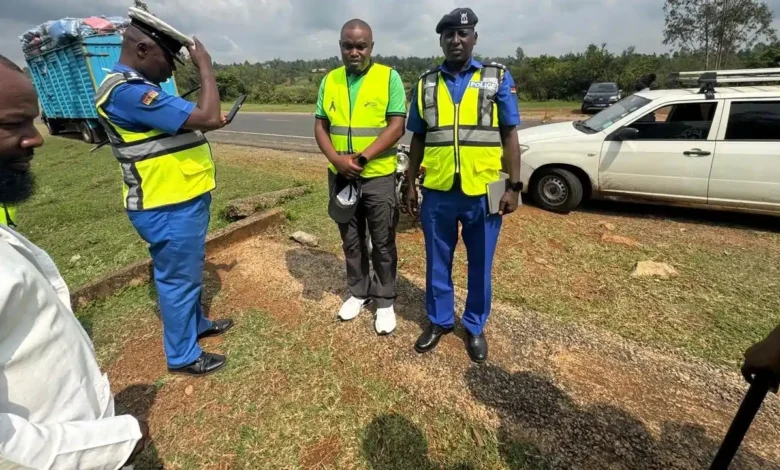
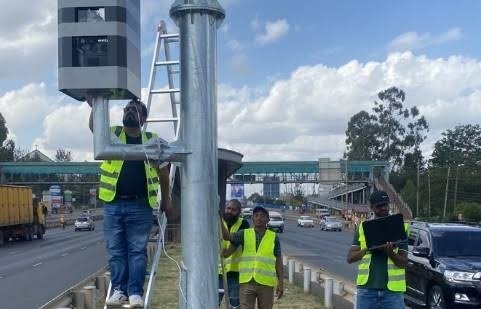
At the exact same time, the government is sitting on a massive piece of surveillance infrastructure: the 1,000 high-resolution cameras recently deployed by the National Transport and Safety Authority (NTSA). While the High Court has once again temporarily slammed the brakes on the automated smart driving license and instant fines system, the hardware remains.
This juxtaposition sparked a fascinating, disruptive idea from a Kenyan (@dexxe) on X (formerly Twitter) dubbed Pata Motii, which loosely translates to ‘find a car’. The premise is simple but profound: if NTSA’s cameras are sharp enough to catch you doing 51kph in a 50kph zone, snap a hi-res photo/video of your plates, and instantly text you a fine, why can’t that exact same infrastructure track down a stolen vehicle?
The answer is economics. The state monetizes overspeeding. It doesn’t currently monetize vehicle recovery. Pata Motii proposes changing that equation.

The Pata Motii pitch
The proposed system would act as a paid bridge between ordinary Kenyans and the NTSA’s Automated License Plate Recognition (ALPR) network. Instead of paying exorbitant bribes to multiple layers of rogue officers to expedite a physical search, motorists would pay a standardized, transparent fee to access the camera data.
Here is how the theoretical Pata Motii system would operate:
- Incident logging: Owner realizes the vehicle is stolen.
The owner logs into the Pata Motii portal and inputs the vehicle’s registration number alongside a verified police abstract to prevent abuse.
- Payment gateway: M-PESA integration.
The user pays a base query fee. This incentivizes the state by creating a new, legitimate revenue stream.
- API query & plate matching:
The system interfaces with the NTSA ALPR database, scanning the 1,000 nationwide cameras for the most recent hits on that specific number plate, mapping the vehicle’s exact trajectory.
- Live interception: Premium tier.
For an expedited premium fee, the system patches live coordinates directly to highway patrol units on the active route, allowing police to intercept the vehicle in real-time before it reaches a chop shop or crosses a border.
How ALPR works elsewhere
This idea isn’t entirely alien. Globally, the integration of public and private ALPR networks is already a massive industry.
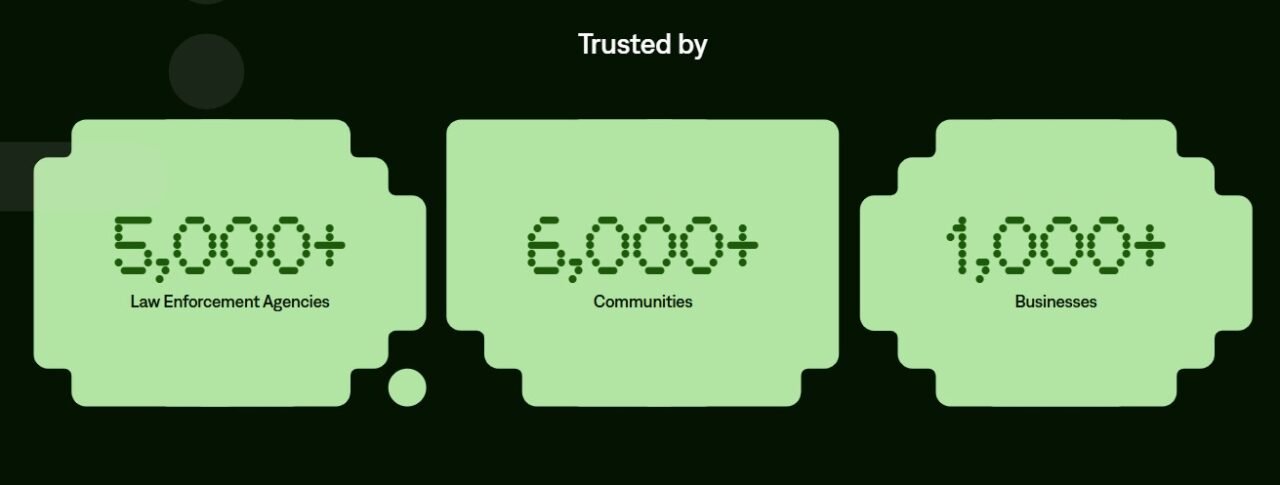
In the United States, a private company called Flock Safety dominates this space. They manufacture solar-powered ALPR cameras that capture traffic at up to 100 mph, specifically designed to read plates and identify vehicle “fingerprints” (make, model, color, and even bumper stickers). Flock partners with over 5,000 law enforcement agencies and over 6000 neighborhoods. When a car is reported stolen, its plate goes onto a hotlist, and the cameras automatically ping local patrol cars the second the vehicle drives past.
Similarly, the UK’s ANPR network processes billions of plate reads daily, largely focused on criminal interdiction rather than just traffic fines. The difference is that while Flock builds its own private infrastructure to share with police, Pata Motii proposes opening up public NTSA infrastructure for private civilian access.
Cartels, courts, and compliance
While Pata Motii is a brilliant conceptual pivot, bringing it to life in the Kenyan ecosystem faces brutal headwinds:
| The challenge | The reality |
| Data privacy (ODPC) | Opening up real-time NTSA data to a private API is a privacy minefield. The Office of the Data Protection Commissioner (ODPC) strictly regulates location tracking. A system built to track thieves could easily be weaponized to stalk citizens without a court warrant. Strict audit logs and court-mandated guardrails would be required. |
| API architecture | While the government is expanding data sharing (e.g., eCitizen, Health portals), building a secure, zero-latency API that can query a massive live video feed without crashing under load requires serious backend infrastructure. |
| Cartel sabotage | Car theft in Kenya is a lucrative shadow economy. If an automated system threatens the Kasarani-to-Dandora pipeline, the thounsads of cameras will become targets for physical vandalism. Furthermore, syndicates often use cloned plates, which would trigger false positives on the ALPR network. |
Pata Motii is exactly what tech should do: solve a systemic, painful problem by repurposing existing infrastructure. The hardware is already sitting on our highways. The payment gateways are already perfected. If developers can navigate the Data Protection Act and secure a watertight public-private partnership with NTSA and other relevant authorities, this could be the ultimate disruptor against Kenya’s car theft syndicates.
The idea deserves attention because it exposes a real gap. Kenya is building more digital enforcement power, but it has not yet settled the rules for using that power safely, fairly, and transparently. Pata Motii may never become a product. As a provocation, though, it is useful. It asks the question that governments often avoid until they are forced to answer it: if the cameras can catch a speeder, why can they not help catch a thief too?
Until then, motorists hitting the next big Nairobi festival are better off relying on hidden, dual-technology GPS trackers and physical steering wheel locks.








Join the discussion