
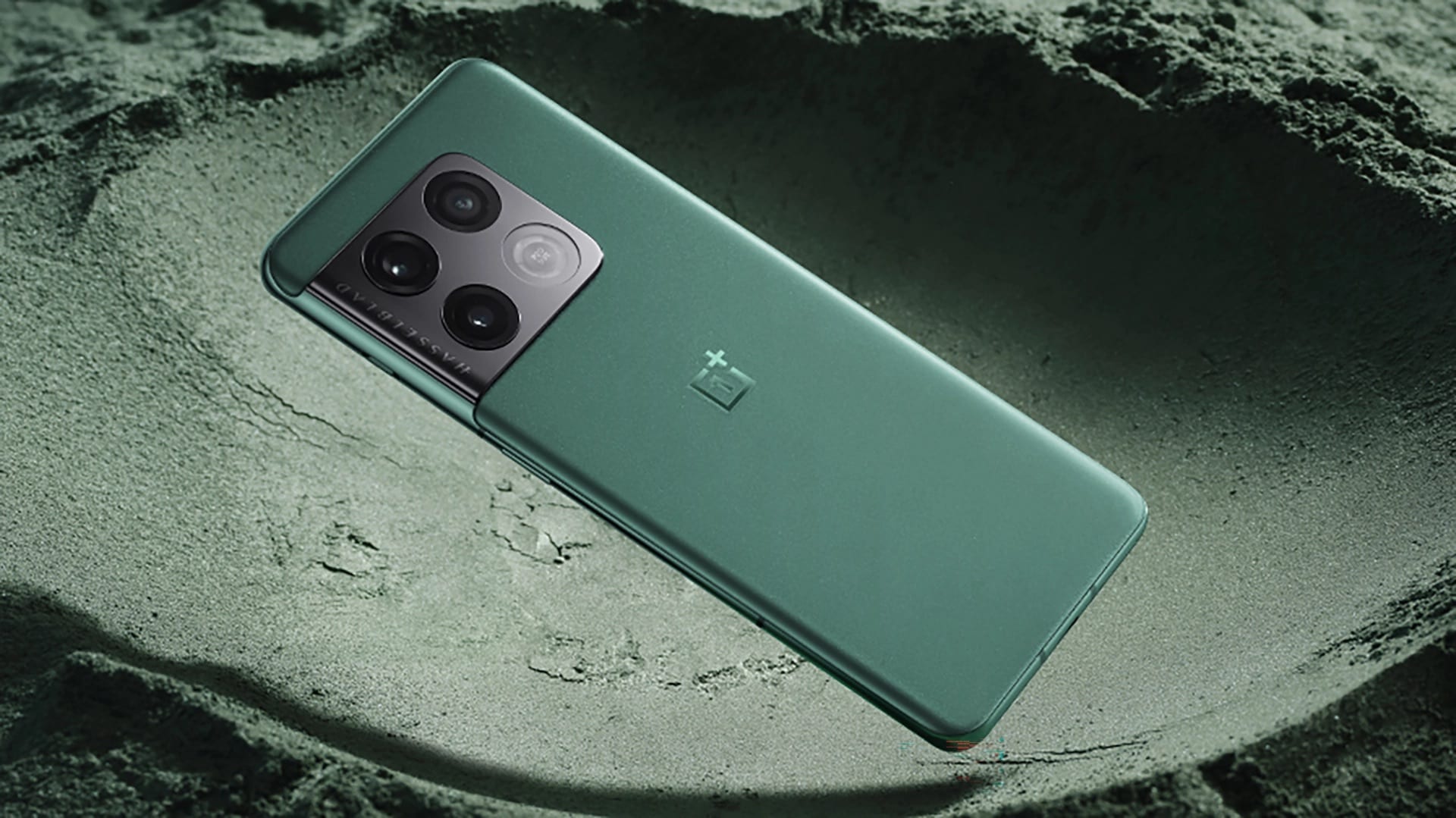
"The software that powered the 'Flagship Killer' has run its course. It was one hell of a ride!"
That’s how Smartprix concluded its exclusive report claiming that OPPO is preparing to retire OnePlus‘ OxygenOS and Realme UI in favour of a unified ColorOS experience across its smartphone portfolio. It’s a fitting send-off for what many Android enthusiasts still consider one of the greatest Android skins ever made.
If the report proves accurate, it won’t simply mark the end of two software names. It would signal the final chapter in OnePlus’ gradual transformation from an independent disruptor into another brand within OPPO’s increasingly unified ecosystem, a journey that has been unfolding for years, but now appears to be reaching its logical conclusion.
The report, citing veteran smartphone tipster Yogesh Brar, claims that OPPO is preparing one of its biggest restructurings yet. The company is reportedly discontinuing both OxygenOS and Realme UI in favour of a single software experience based on ColorOS across all OPPO, OnePlus and Realme smartphones. If accurate, the move would mark the end of an era for Android enthusiasts who have long regarded OxygenOS as one of the cleanest and fastest Android skins ever made.
One software platform for three brands
According to the report, OPPO has decided that maintaining three separate Android skins no longer makes business sense. Instead, future smartphones across the three brands will reportedly ship with ColorOS, eliminating OxygenOS and Realme UI. The software consolidation is said to be part of a much broader restructuring already underway.

OnePlus is reportedly narrowing its focus to India and China, while Realme is scaling back its China operations to concentrate on international markets. In India, OnePlus’ after-sales support has already been absorbed into OPPO’s much larger service network, with many standalone OnePlus stores reportedly shutting their doors. Signs of this consolidation are also beginning to appear in Europe. Several regional OnePlus websites, including Germany, France and Spain, now encourage visitors to explore OPPO products and even offer purchase incentives for customers switching to the brand.
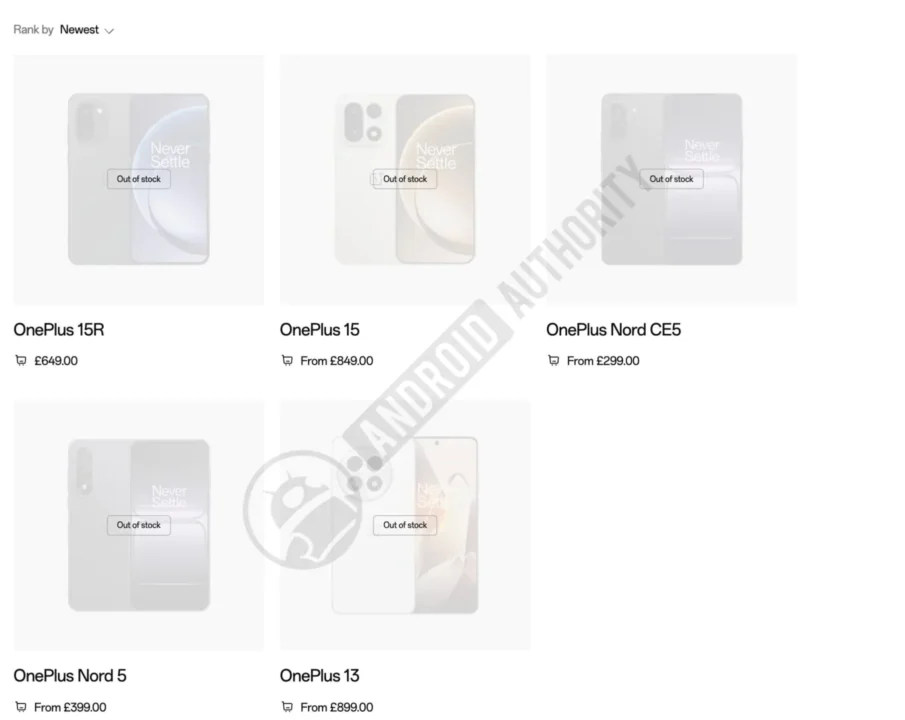
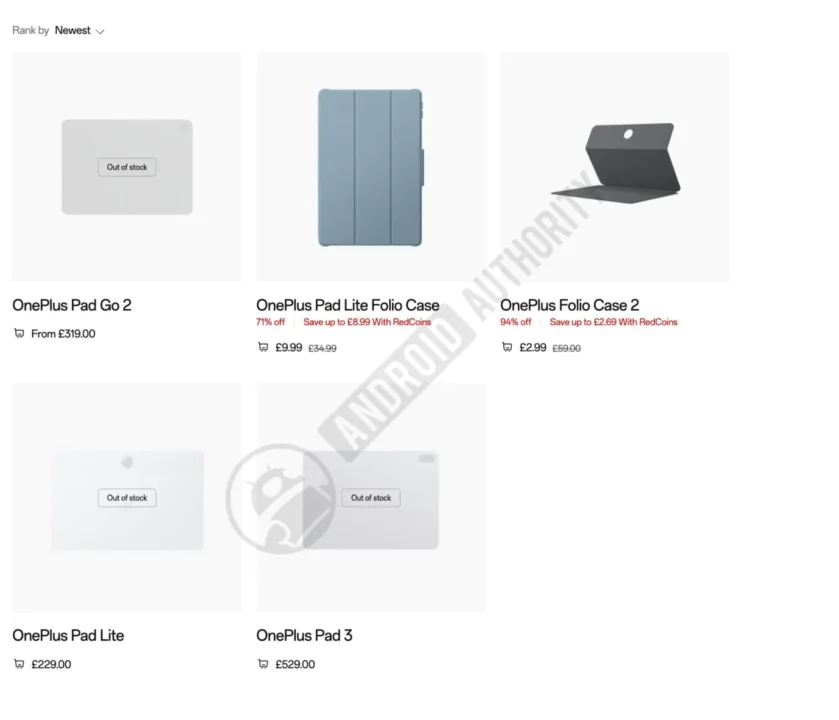
Android Authority also reported that all devices, including the latest OnePlus 15 and 15R, are out of stock on the official OnePlus UK store. More evidence is also coming from the US, where stock appears to be dwindling too.
A story years in the making
For longtime followers of the smartphone industry, this news may not come as a complete surprise. Back in 2021, OPPO announced that it would merge its software codebase with OnePlus. The goal was to combine OxygenOS’ speed and simplicity with the broader feature set found in ColorOS. At the time, OnePlus insisted OxygenOS would continue to exist as a distinct experience. In reality, however, each new version has become increasingly difficult to distinguish from ColorOS beneath the surface.
Earlier this year, I weighed in on whether OnePlus was slowly disappearing as an independent brand after noticing growing signs of integration with OPPO. Among those were shared engineering resources, unified service operations and an increasing overlap in hardware and software strategy. This latest report appears to reinforce many of those observations, suggesting the consolidation may now be entering its final phase.
The end of an identity?
For Realme users, the transition may not be particularly dramatic. Realme UI has always shared much of its DNA with ColorOS, making the switch feel more evolutionary than revolutionary. The reaction from the OnePlus community, however, could be very different.
From the original OnePlus One through the company’s early flagship killers, OxygenOS wasn’t simply software. It was a major reason many buyers chose the brand in the first place. Its clean interface, fast performance, and minimal bloat earned it a loyal following at a time when many Android manufacturers overloaded their phones with unnecessary features. While recent versions have gradually adopted more ColorOS elements, retaining the OxygenOS name helped preserve OnePlus’ unique identity.
Removing that final distinction could leave OnePlus looking increasingly like another OPPO brand rather than the enthusiast-focused company many fans grew up with. For now, it’s worth noting that OPPO has not officially confirmed these reported plans. Until the company makes an announcement, the information should be treated as a credible leak rather than confirmed fact.
Even so, if the report proves accurate, the retirement of OxygenOS will represent far more than a software rebrand. It will close one of Android’s most beloved chapters and further blur the lines between three brands that once competed as distinct alternatives, but increasingly appear to be becoming one.







Join the discussion