

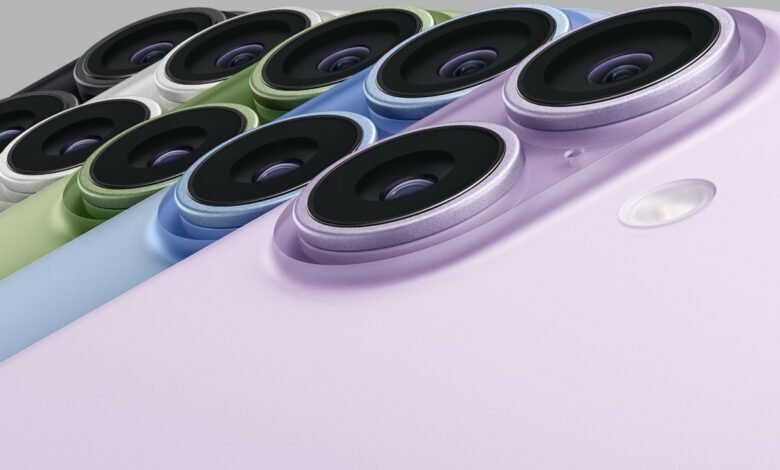
Apple has started renting out its hardware. On 28 July the company launched Apple Upgrade, which lets customers in the United States lease an iPhone, iPad, Mac or Apple Watch for a fixed monthly payment rather than buy it. Klarna, the Swedish payments company most people know from buy-now-pay-later checkout buttons, provides the lease. On the same day, Apple shut down the iPhone Upgrade Program, the financing plan it had run since 2015.
A lease is not an instalment plan
When you buy a phone on instalments, you are taking a loan. You pay it off and the phone is yours. When you lease, you pay for the use of something you never own. Klarna owns the device for the whole term, and your monthly payment buys the use of it. Apple’s FAQ is direct about this: asked whether you own the device at the end of the term, the answer is no. You return it in good working condition, or pay a separate purchase fee to keep it.
iPhone and Apple Watch leases run 12 or 24 months. iPad and Mac leases run 24 or 36 months. Entry prices are $17.99 a month for an iPhone, $11.99 for an Apple Watch, $11.99 for an iPad and $24.99 for a Mac. You can lease several devices, but each needs its own lease. Approval runs on a soft credit check, which does not affect your credit score.
The numbers on a real device
Apple’s worked example is an iPhone 17 Pro 256GB at a list price of $1,099, roughly KES 142,000 at 129.5 shillings to the dollar and before any Kenyan duty. A 24-month lease costs $31.99 a month, or $767.76 over the full term. Keep the phone at the end and the purchase fee is the list price minus what you have already paid, which is $331.24.
Add those and you get $1,099. Exactly the sticker price.
Apple states this outright: you will not pay more than the full price of the device. Return it or upgrade and you will have paid less than list. Klarna adds no financing charge, and no deposit or down payment is allowed.
The costs sit at the edges
Leaving early is expensive. You have 14 days after delivery to cancel, and after that the termination fee equals every remaining monthly payment to the end of the term, plus taxes. Walking away saves you nothing.
Damage is your problem. AppleCare is not included and Apple bills it separately. Without it, you pay the assessed cost of any damage when Klarna inspects the returned device. Lose the device, or have it stolen, and without AppleCare+ with Theft and Loss you still owe the termination fee or the purchase fee.
Missed payments carry no late fees, according to MacRumors, but three consecutive misses end the lease and the full balance falls due, less the value of the returned device. Unrecovered cases go to Klarna’s debt collectors. Doing nothing costs money too: if you neither upgrade, exit nor buy at term end, the lease rolls month to month for up to six months, your payment may rise, and Klarna then charges the purchase fee automatically.
What Apple took away
The iPhone Upgrade Program was a 24-month interest-free loan. AppleCare+ was bundled into the monthly price, you could trade up after 12 payments, and the phone was yours at the end. Apple Upgrade changes two of those: ownership now costs an extra payment, and AppleCare is a separate purchase. Apple’s page for the old plan is now a farewell notice, and iPhone Payments has gone too. Members still paying can finish their instalments, then choose between Apple Upgrade, Apple Card Monthly Installments, carrier financing or paying in full.
Not everything qualifies. The iPhone 16, iPhone 16 Plus, Apple Watch SE, MacBook Neo, Mac mini, iPad (A16) and Studio Display are excluded, and leasing an iPhone means signing up with AT&T, T-Mobile or Verizon on a non-prepaid plan.
Why Apple is doing this now
On 25 June, Apple raised prices on every Mac, iPad, home device and Vision Pro worldwide, blaming a memory chip shortage. Some rises were $100, some over $1,000, and Apple shares fell about 6% that day. DRAM contract prices rose as much as 98% in the first quarter of 2026, and TrendForce expects another 58% to 63% this quarter, because memory makers are diverting capacity to AI data centres. We wrote about the quieter version of this in March, when Apple’s M5 refresh raised base prices while doubling storage. Spreading a higher price across 24 or 36 months makes the shelf number easier to look at. iPhone prices have not moved yet.
None of this reaches Kenya
The eligibility rules explain why. You need to be a US resident outside US territories, hold a Social Security Number or an ITIN, have a US billing address and a Klarna account, and take delivery in the US or collect from a US Apple Store. There is no Apple retail store anywhere in Africa. Kenya buys through resellers and importers who set their own prices, which is why we track those prices ourselves. We logged iPhone 17 launch pricing about KES 60,000 above the US equivalent, then watched some of it fall by KES 90,000 in three months.
Local device financing works differently. Paying monthly here usually costs a multiple of the retail price. Embakasi East MP Babu Owino said last year that a KES 10,000 phone can cost over KES 30,000 by the time you finish paying, and he wants Parliament to regulate it. Financiers here also use remote device locking to enforce repayment, as Watu does on the smartphone plan it runs with Jumia. Apple and Klarna’s terms describe damage fees, termination fees and debt collection instead.
Apple has built a monthly-payment product that does not mark the device up, in a market that already has credit scoring, its own stores and consumer leasing law. Kenya has none of that for Apple products, so this stays a distant prospect here.
The closer thing to watch is the iPhone. Apple left it out of the June increases. If memory prices keep climbing to the September launch window, the iPhone 18 is where that cost turns up, and Kenyan reseller prices will follow within weeks.






Join the discussion