
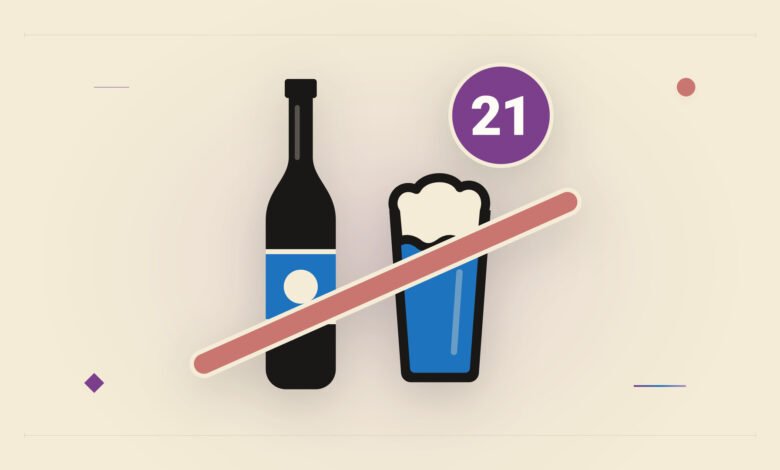
The Alcoholic Beverages Association of Kenya (ABAK) wants Parliament to withdraw Kenya’s new alcohol control Bill. It warns that raising the drinking age and restricting licensed sales could damage businesses and push consumers towards illicit alcohol.
In a statement dated 6th November 2026, ABAK chair Kui Kinyanjui urged Parliament to stop advancing the Alcoholic Drinks and Drugs Control Laws (Amendment) Bill, 2026 in its current form. The association of alcohol manufacturers and distributors wants county governments, public-health stakeholders and businesses across the alcohol trade consulted.
The Bill was introduced for First Reading in the National Assembly on 5th November 2026. Its proposed restrictions have not become law. Last week, we explained what it would change for buyers, delivery businesses and advertisers, including a ban on online alcohol sales and home delivery.
ABAK’s members have a direct financial interest in keeping those licensed sales channels open. That interest needs to be considered when assessing its warnings about the commercial effects of the proposals.

ABAK’s estimates of jobs and revenue at risk
ABAK’s preliminary industry modelling puts about KES 3.3 billion in annual retail and hospitality revenue, KES 1.8 billion in government tax revenue, 8,960 jobs and 1,792 licensed outlets at risk from raising the minimum drinking age from 18 to 21.
These are forecasts of possible losses, not a record of losses already incurred. ABAK’s release does not include the model or its assumptions, or say over what period jobs and outlets would be affected. It gives no separate estimate of the revenue online shops or delivery platforms would lose.
The age limit would govern both sales and entry at licensed premises. Adults aged 18 to 20 could not buy alcohol, and licensed sellers could not admit anyone under 21 to premises where they sell it, whether alone or accompanied.
ABAK separately estimates that a proposed levy would add KES 1.3 billion in annual costs for the legitimate industry. The Bill sets that levy at KES 2 per litre, payable by licensed manufacturers and importers into the Alcoholic Drinks Control Fund. This solatium compensatory levy is a charge intended to fund alcohol-control activity.
At that rate, the levy on a 500ml bottle would be KES 1. That does not tell us how much more a customer would pay, because the Bill does not determine how businesses pass on the cost. ABAK argues that the additional costs would widen the price gap between regulated drinks and illicit alternatives.
Online sellers would lose a licensed route to customers
Under the Bill, county committees could not grant alcohol sales licences for online sales, couriers or home delivery, or for supermarkets, restaurants and other specified locations. Existing licence holders selling in those places or through those channels would have at most three months after the provision comes into force to dispose of stock, or until their licence expires, whichever comes sooner.
For a licensed online retailer, this would close the legal sales channel the business depends on. Manufacturers would also have fewer ways to reach customers. ABAK argues that closing those channels could move demand into informal markets, though its release does not establish that consumers would make that switch or estimate how much demand would move.
On advertising, the Bill gives brands and digital publishers conflicting instructions. It would prohibit online promotion of alcoholic drinks and alcohol-related brand elements, yet establish a committee to approve advertisements in media including online channels. A further provision allows regulations on online marketing. The text does not explain how those provisions would work together.
ABAK also objects to national licensing and product registration requirements, and a rule limiting transport for distribution to between 6am and 6pm. It argues these would duplicate regulation and raise logistics costs. The draft would put national manufacturing and import licensing alongside county retail licensing. ABAK’s claim that this would intrude on county powers remains a legal objection, not an established finding.
The Bill also proposes digital tracking of licensed drinks through the supply chain as a consumer-protection measure. In its parliamentary engagement on 8th May 2026, the Anti-Counterfeit Authority, Kenya’s agency tackling counterfeit goods, identified online and social platforms among the channels used to distribute counterfeit alcohol. Buying online does not guarantee a safe product.
The authority’s 11th September 2026 technology briefing also warned that a QR code alone cannot guarantee authenticity or safety, and called for tracing systems that work with existing tax and standards checks. Parliament needs to test how the proposed restrictions and tracking requirements would reduce harm, and require ABAK to show how it calculated the commercial losses it predicts. Consumers and licensed businesses need both claims examined before any of these proposals takes effect.






Join the discussion