
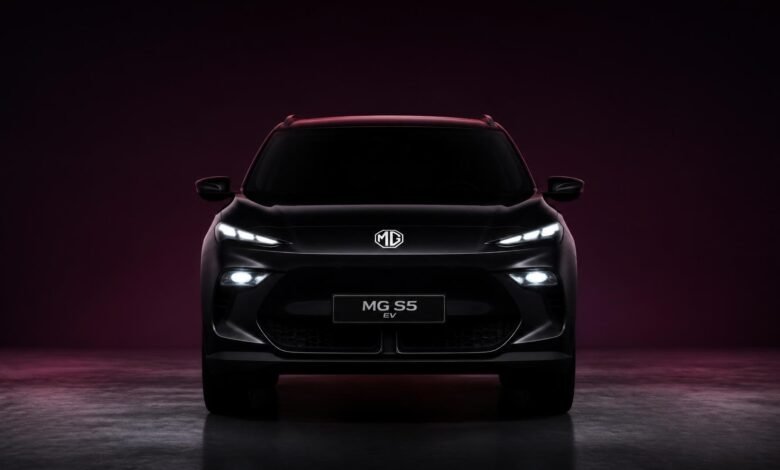
Simba Corporation, the Nairobi motor group founded in 1948, officially launched MG in Kenya on Saturday 21st November 2026 as the brand’s exclusive distributor. Launch prices start at KES 4.5 million for the electric MG4 EV Urban hatchback, but only for the first 100 cars. Simba also plans to build MGs in Mombasa.
MG isn’t new to Simba, though. When we covered its vehicle financing deal with Absa in August, MG was already one of the passenger car brands it sold. Saturday brought the full line-up and prices. The plan to build MGs here dates back to June.
What’s on sale and what it costs
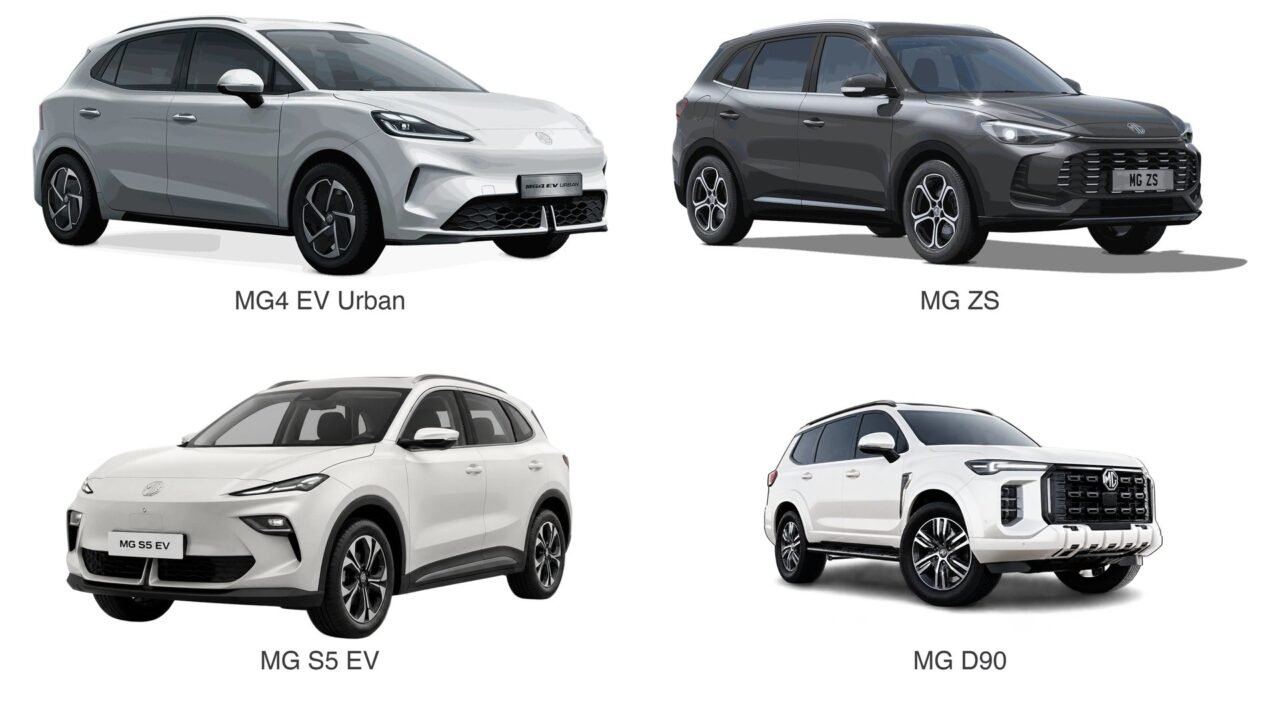
MG started in Oxford, England, in 1924 as Morris Garages. Since 2007 it has been owned by SAIC Motor, a Chinese carmaker, and its range now covers petrol, hybrid and fully electric cars. Simba is launching four of them:
| Model | Type | Starting price |
|---|---|---|
| MG4 EV Urban | Electric hatchback | KES 4.5 million |
| MG ZS | Turbo-petrol compact SUV | KES 4.5 million |
| MG S5 EV | Electric five-seat SUV, up to 450 km range (WLTP) | KES 7.2 million |
| MG D90 | Seven-seat 4WD SUV, petrol and diesel | KES 8.3 million |
WLTP is the standard European lab test for range, and real driving usually gets less than the lab figure. The MG4 EV Urban comes with a 43 kWh or 54 kWh battery, which MG Kenya rates at 316 km and 405 km of range. MG Kenya’s model pages, such as the one for the MG S5 EV, give the electric models a five-year vehicle warranty and an eight-year or 120,000 km battery warranty. The battery warranty matters most, since the battery is an electric car’s costliest part to replace.
Simba hasn’t said what the cars will cost after the first 100 units, and MG Kenya’s own site labels every listed price as an “Introductory Special price”. So the price you’re quoted now may not be the one a friend gets next year.
But the Urban isn’t the cheapest electric MG. The site lists the regular MG4 Electric, with up to 530 km of WLTP range, from KES 3,999,999, though it’s not one of the four launch models. The site also lists the D90 as petrol only, so diesel buyers should check at the showroom.
Simba previewed the MG S6 EV, an all-wheel-drive electric SUV with up to 500 km of range. It’s due in 2027 and open for pre-booking, with no price yet.
Building MGs in Mombasa
In June, Simba said its Mombasa plant, Associated Vehicle Assemblers (AVA), would put KES 1 billion into a dedicated electric vehicle assembly line and use it to build the MG electric cars Simba had been importing fully built. AVA is a contract assembler that also builds BasiGo’s electric vans from kits shipped in parts.
Simba says the line has 60 technicians trained in battery handling and electrical systems and already builds electric vehicles for public transport and ride-hailing operators. Group Chairman Adil Popat says “Kenya has an opportunity to build more of this industry at home”. We think Simba is betting that building and servicing the cars here makes MG a long-term business.
In June, Simba also said local assembly would put electric cars within reach of more Kenyans, but it still hasn’t named the models, a start date or how much a Kenyan-built MG would save you.
Fleet buyers and the 40% claim
Simba says Drive Electric has bought 25 vehicles as MG’s first fleet customer in Kenya, and that Kenya Power, the national electricity distributor, has taken four MG electric vehicles at its Ruaraka Transport Hub as it moves its fleet off petrol and diesel.
Simba says MG took more than 40% of Kenya’s new electric passenger car and SUV sales in 2026 before the official launch. It gave no unit count or data source. Kenya’s new electric car market is small, and MG Kenya’s own website banner says “Over 30 MG’s Sold”, so we think a 40% share may only be a few dozen cars.
Who MG is really after
Simba plans to turn its Aspire Centre in Westlands, Nairobi, into an electric vehicle workshop with charging, servicing and diagnostics, with no date yet. Group CEO Dinesh Kotecha says Simba is aiming at buyers “who would traditionally consider a used vehicle”.
That’s the right target, but it’s a hard one, because KES 4.5 million buys a lot of imported used car. We think the warranty and a Simba-run workshop are MG’s strongest argument with those buyers. Whether it works will depend on what MG charges once the first 100 cars are gone, and on how soon the Mombasa line starts building them.




Join the discussion