

Walk into an electronics shop in Nairobi and you’ll see Mini LED printed on TV boxes at very different prices. Some of those sets cost three times as much as others, yet the label on the box reads exactly the same. So what does Mini LED mean, and why does it change the picture you end up watching?
TCL, which says it shipped more Mini LED TVs than any other brand in the first half of 2026, has put together a short guide to answer that. Its point is that the label tells you what kind of light sits behind the screen. It doesn’t tell you how well that light is controlled, and that’s the part you see.
What Mini LED is
An ordinary LCD TV doesn’t make its own light. The screen sits in front of a backlight, a set of small LEDs that shine through the panel, and the panel shapes that light into the picture.
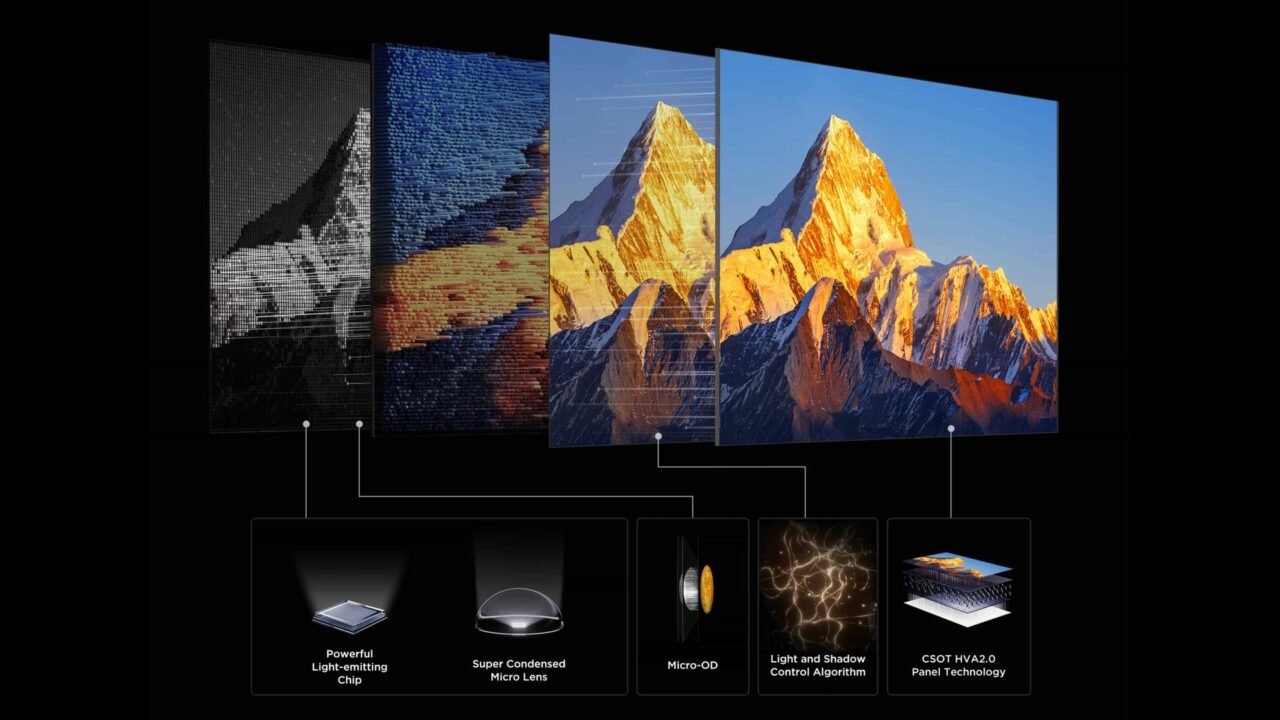
Mini LED is a smaller version of those LEDs, roughly a fifth the size of the chips used in a conventional LCD backlight. Because each chip is so much smaller, a manufacturer can fit thousands more of them behind the same screen and pack them far more tightly together.

With that many LEDs, the backlight can be split into many more zones, small groups of LEDs that brighten or dim on their own. When a film cuts to a night scene with a single street lamp, the zones behind the lamp light up while the zones behind the dark sky stay low. That’s why a good Mini LED TV shows deeper blacks, brighter highlights and more detail in scenes that mix light and shadow. Until recently, that kind of contrast was mostly found on much more expensive display types.
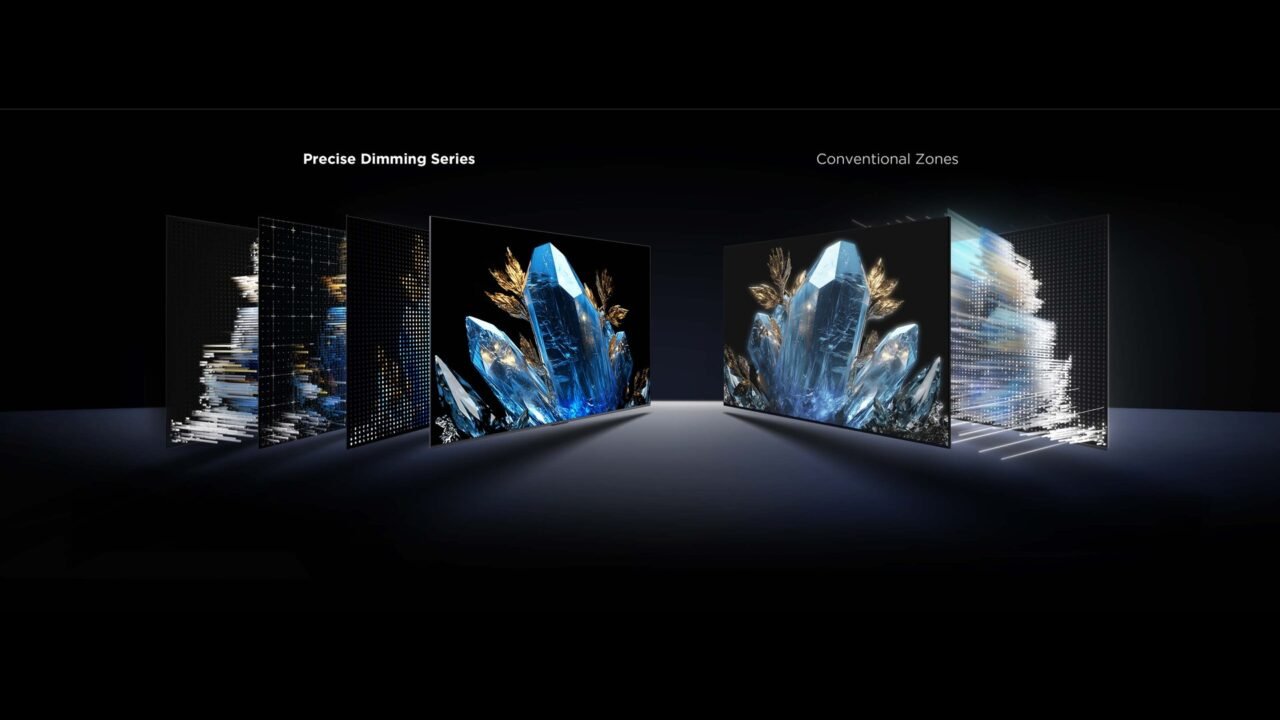
The catch is that Mini LED describes only the size of the chip. It says nothing about how many chips a TV uses, how they’re laid out, or how well the TV controls their brightness. Two sets can legitimately carry the same label and still produce very different pictures side by side. TCL says the difference comes down to three things, and each one is simple enough to check before you pay.
1. Hardware dimming
Real Mini LED performance depends on hardware local dimming. The TV physically raises and lowers the brightness of each group of LEDs behind the screen, zone by zone.
Some sets use software or “virtual” dimming instead. Here the TV leans mostly on image processing to make dark areas look darker, and the zones of the backlight aren’t controlled on their own in hardware. TCL says that under similar conditions this can give less precise control of bright and dark areas, with more light leaking into the dark parts of the picture and lower contrast.
2. Enough dimming zones
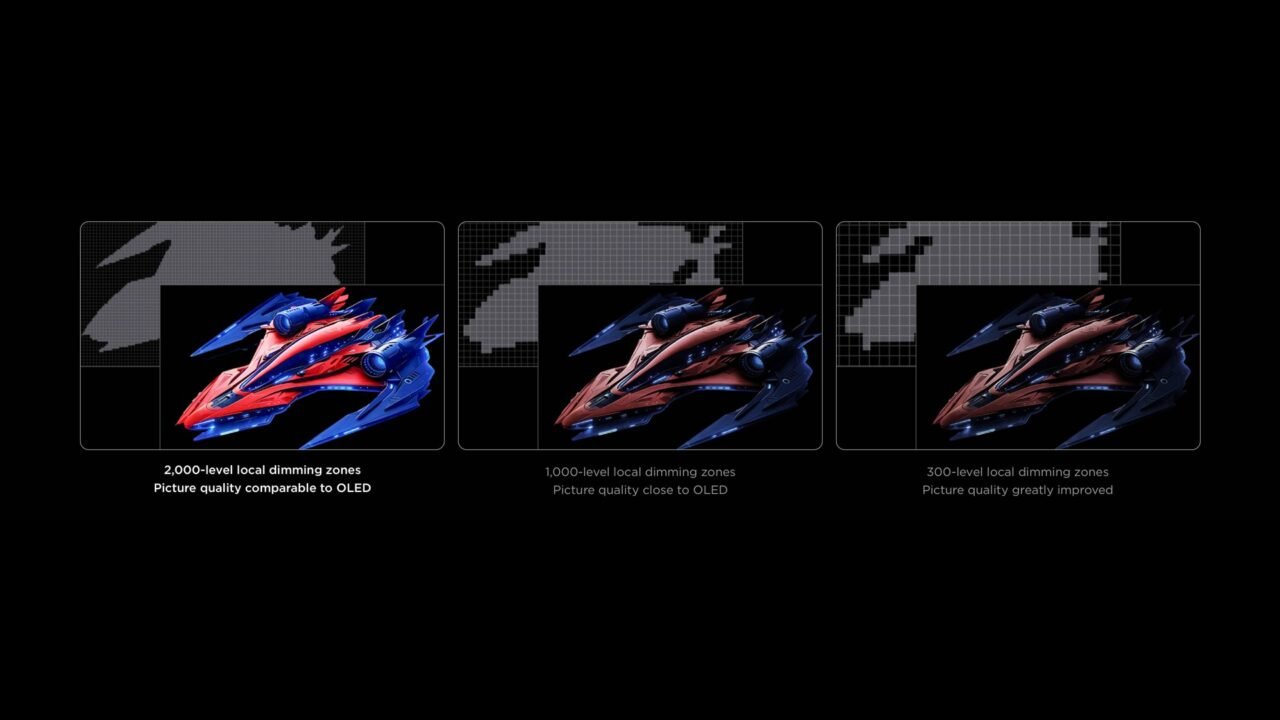
The number of zones decides how finely the TV can separate light from shadow. Even a few hundred zones can noticeably improve contrast and brightness over a conventional LCD backlight. More zones mean each one covers a smaller part of the screen, so a bright object can be lit without lighting up the dark area around it. That’s why panels with several thousand zones can control the backlight more precisely than ones with far fewer.
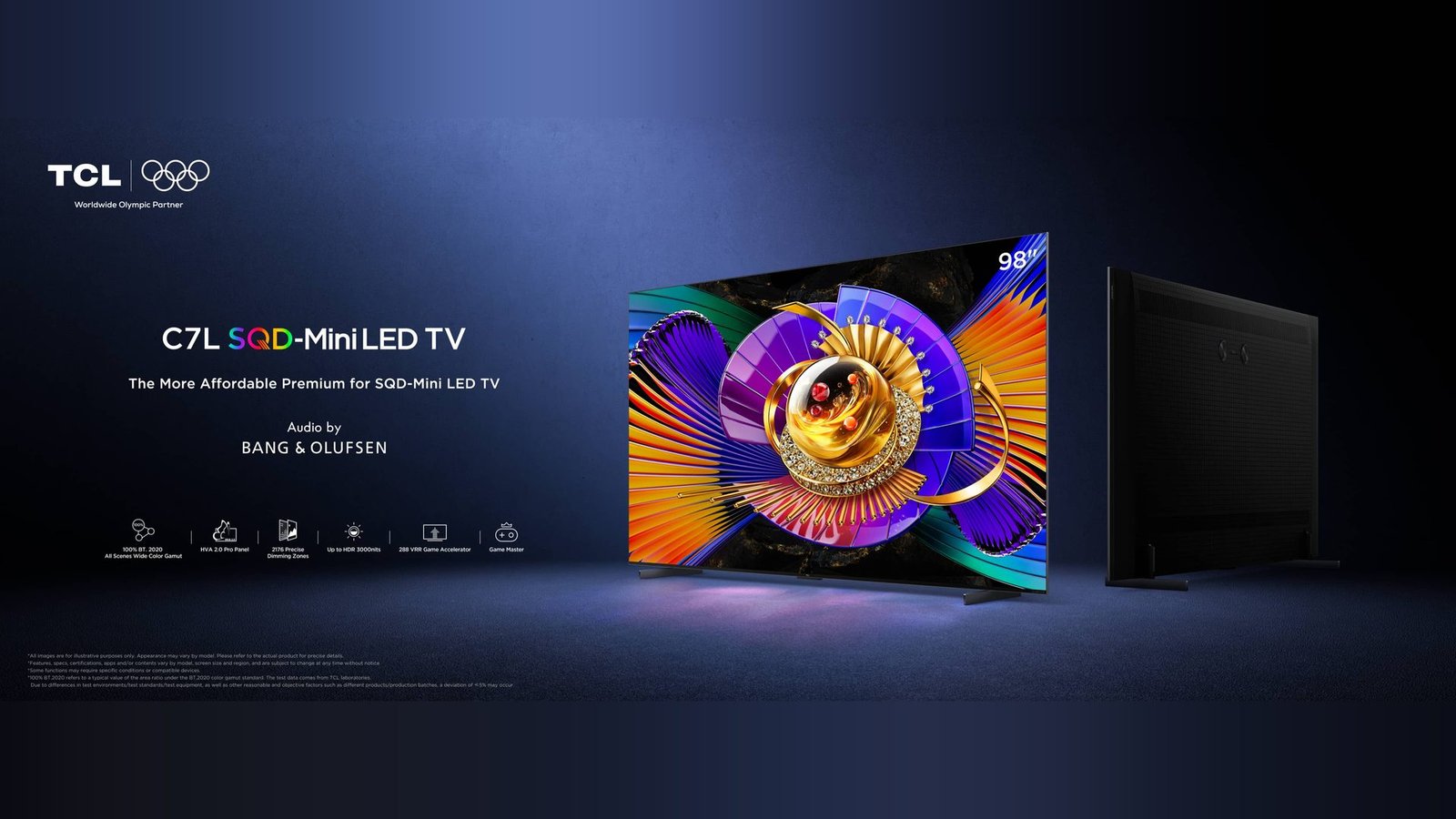
TCL’s own East Africa range shows how that scale works. The C6K has up to 512 zones. The 98-inch C7L has 2,176 and the 98-inch C8K goes up to 3,840. All three figures come from TCL’s 98-inch product pages, so check the count for the size you’re buying.
3. A full-array backlight
Where the LEDs sit is the most basic of the three. Edge-lit TVs place the LEDs around the edges of the screen and spread the light inwards, which gives the TV less control over any one part of the picture. Direct-lit TVs put the LEDs behind the panel but usually switch the whole backlight up or down as one block. Full Array Local Dimming, or FALD, spreads the LEDs across the entire back of the panel and controls each zone on its own. FALD is the layout behind real Mini LED performance, and TCL says it uses it across its whole Mini LED range, from its entry-level sets to its flagships.
“Mini LED gets talked about as if it’s a single technology, but it’s really a family of approaches with very different results,” said Alvin Wang, General Manager of TCL East Africa. “The three things that actually decide the outcome, hardware versus software dimming, zone count, and backlight architecture, are things any shopper can ask about, for any brand, before they buy.”
TCL’s global sales and Kenyan prices
TCL Electronics, the Hong Kong-listed company behind TCL TVs, operates in more than 160 markets. It shipped 2.43 million Mini LED TVs worldwide between January and June 2026, up 77.1% on the same period last year. TCL says research firm Omdia’s shipment data for that half puts it at number one in the world for Mini LED TVs by volume.
In Kenya, the newest of those sets are the C7L and C8L, which use TCL’s SQD-Mini LED, a version that pairs a Mini LED backlight with TCL’s Super Quantum Dot colour layer. We saw both when TCL showed them off at a Nairobi watch party in April. On TCL Kenya’s online store, the 65-inch C7L costs KES 133,000 and the 65-inch C8L costs KES 152,999, prices checked on 9th November 2026. TCL already has a hit at the cheaper end here. Earlier this year we reviewed the 43-inch V6C and looked at why it’s Kenya’s best seller.
If you’re shopping for a Mini LED TV this festive season, don’t stop at the label. Ask the shop three things: does it dim in hardware, how many zones does this size have, and are the LEDs spread across the full back of the panel? If the answer to the first and last is yes, the TV controls its light the way Mini LED is meant to. After that, the more zones it has, the finer that control gets.



Join the discussion