
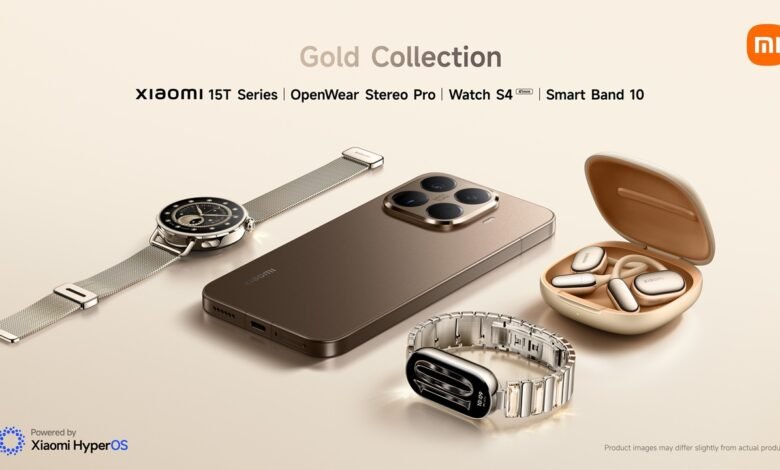
Yesterday (September 24), Xiaomi staged a massive global showcase. And yes, the star of the event was none other than HyperOS 3, the company’s new operating system. We already broke down the rollout timeline and every new feature in this dedicated article, but here’s the short version: HyperOS 3 is about to be everywhere, running across phones, tablets, TVs, wearables, and even appliances.
But Xiaomi wasn’t about to hold a global launch just to talk software. From the latest T-series smartphones to new smart bands, TVs, vacuums, and even fridges, the company flexed its ecosystem muscles in full. The only caveat? A good chunk of these products won’t be officially sold in Kenya. Still, with parallel importers and online retailers, die-hard fans can find a way.
Xiaomi HyperOS 3 update
HyperOS 3 brings a sweeping visual refresh (new icons, smoother animations, and over 100 system-wide tweaks) and deeper AI integration.
- HyperIsland: A central multitasking/interaction hub that works like a smarter “Dynamic Island” seen on recent iPhones, bringing your notifications, shortcuts and context into a unified zone.
- AI-powered features: Smarter gallery search, dynamic wallpapers, “Personalized Editing” of photos, better voice/speech handling, and more.
- Cross-device magic: Better continuity across Xiaomi phones, tablets, TVs, and more.
- Security & privacy upgrades: On-device computing, enhanced sandboxing, encrypted cloud interactions.
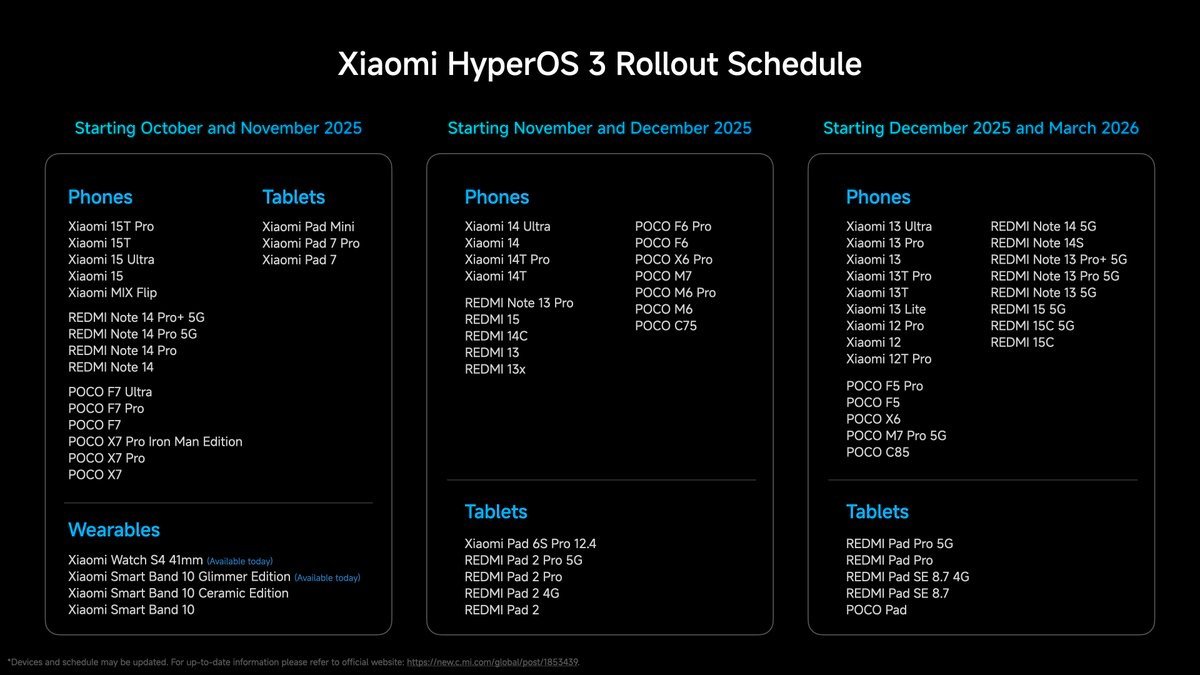
The rollout begins in October and stretches into early 2026, with dozens of devices on the roadmap.

Xiaomi 15T and 15T Pro
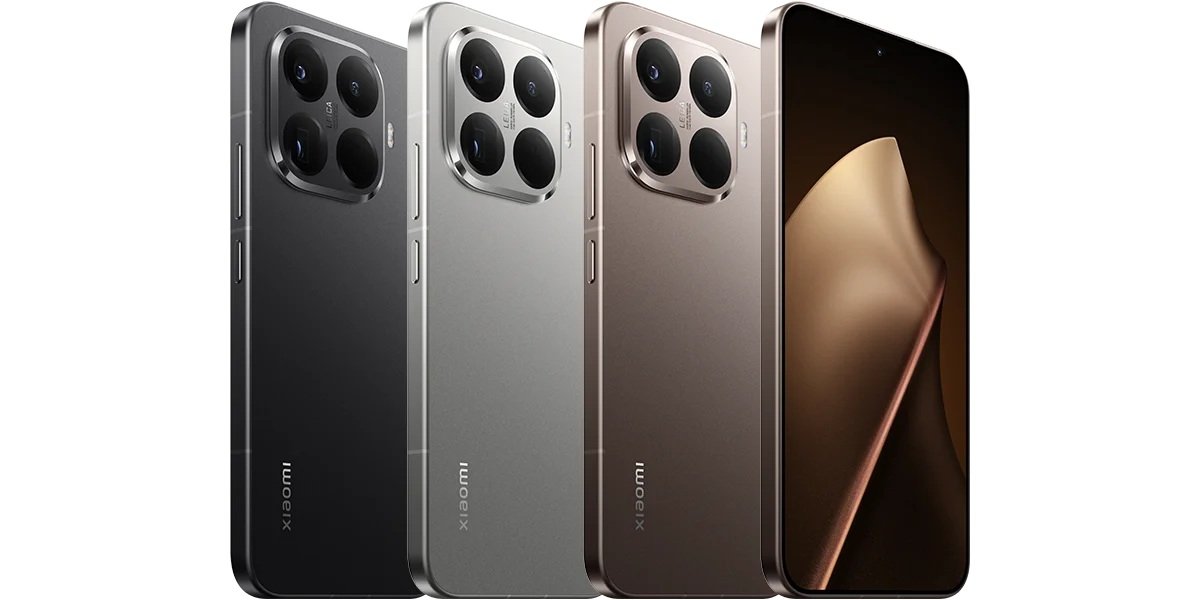
If HyperOS 3 is the glue, the Xiaomi 15T series are the poster children. The 15T Pro model is the kind of phone that can make a DSLR sweat. With its Leica-tuned triple 50MP + 50MP + 12MP camera setup ranging from an ultra-wide 15 mm lens to a 230 mm telephoto, it’s built for creators who want variety without juggling multiple devices. Add a 6.83-inch AMOLED panel that can hit a retina-searing 3,200 nits and MediaTek’s top-tier Dimensity 9400+ chipset, and you’ve got yourself a beast that’s equal parts camera and performance machine.
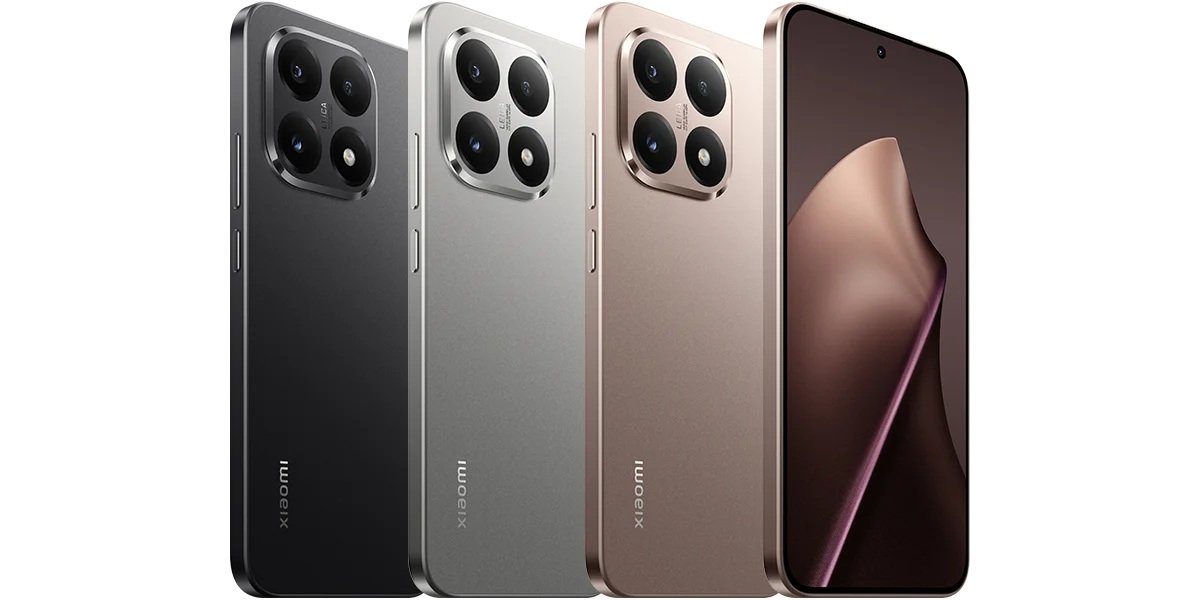
The standard Xiaomi 15T keeps much of the magic while trimming down slightly. You still get the same massive screen, Leica imaging, and strong Dimensity 8400-Ultra processor, but at a friendlier price point. Both phones pack big batteries, fast charging, and 5G, which means they’re well-equipped to handle life in Kenya assuming you can snag one through third-party sellers, since Xiaomi Kenya is unlikely to make the device official availability.
Redmi Pad 2 Pro tablet and accessories
Hot on the heels of launching the Redmi Pad 2 in Kenya, Xiaomi also had something new for the bigger-screen crowd. The Redmi Pad 2 Pro comes with a 12.1-inch 2.5K display running at 120Hz, making it a sweet spot for streaming, gaming, or just doom-scrolling.
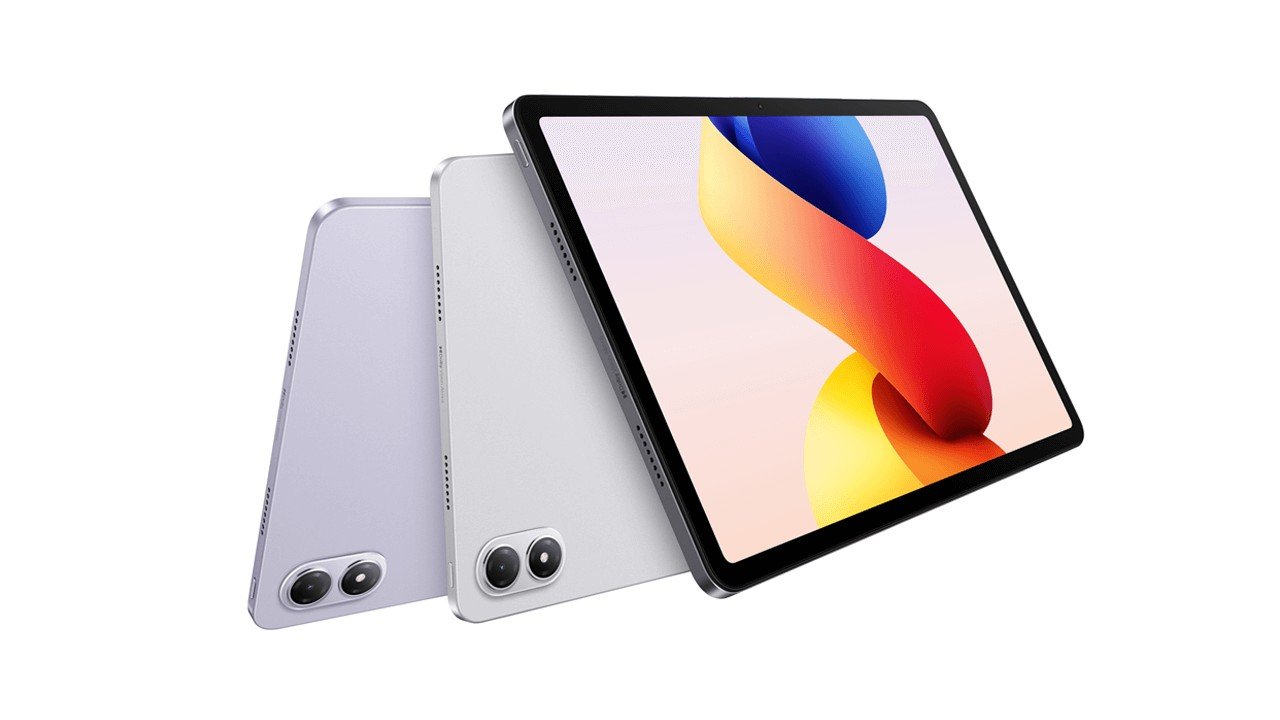
Under the hood, it’s powered by Qualcomm’s Snapdragon 7s Gen 4, paired with up to 8GB of RAM and 256GB of storage. The massive 12,000mAh battery means you won’t be hunting for a charger mid-Netflix binge.
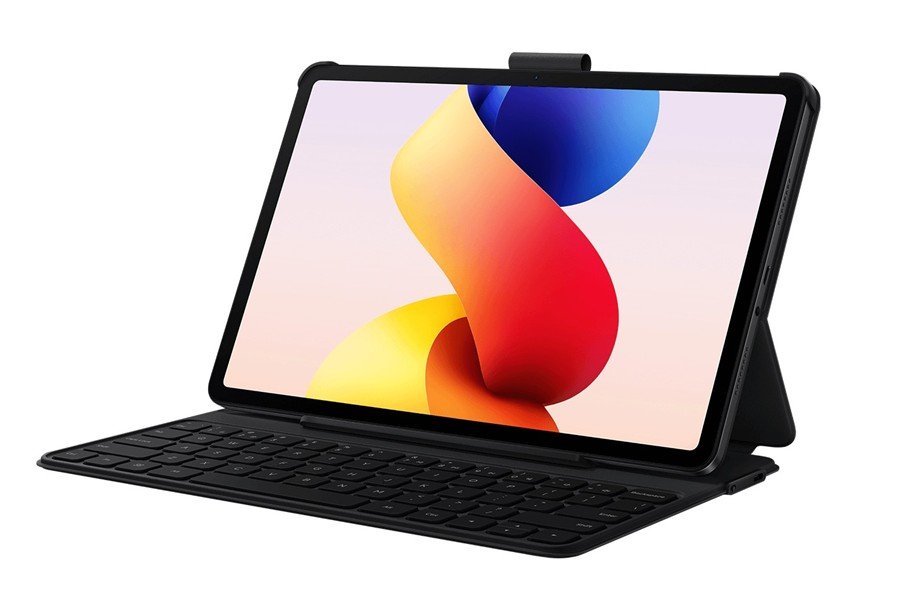
What makes it more interesting, though, are the accessories. A magnetic cover turns it into a neat portable workstation, while the detachable keyboard gives it laptop-like vibes. Add HyperOS 3’s cross-device features like using the tablet to control your phone or sharing clipboards and you’ve got a gadget that feels a lot more useful than just a “big phone.”
Xiaomi Watch S4, OpenWear Stereo Pro & Smart Band 10
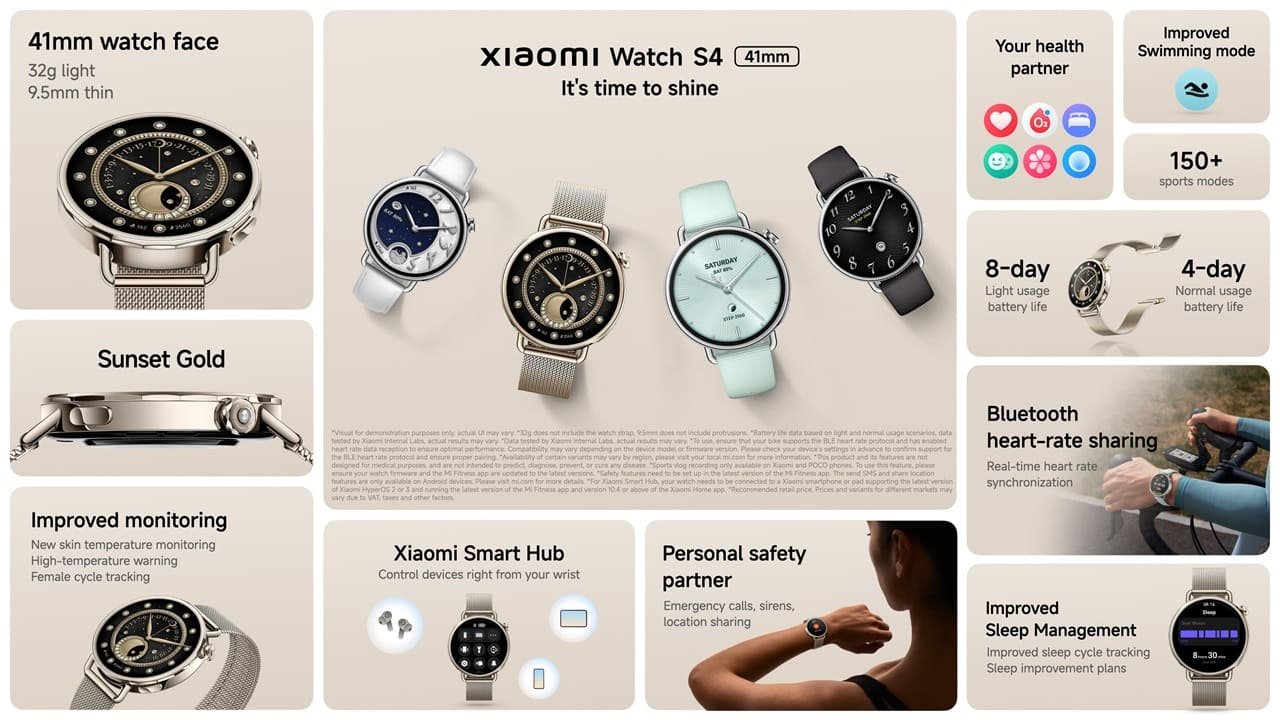
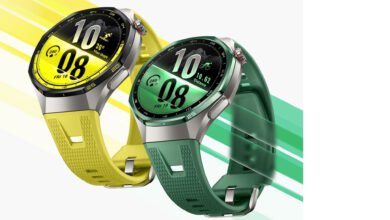
On the wrist, Xiaomi introduced the Watch S4 (41mm). It’s a sleek stainless-steel smartwatch with an AMOLED display, multiple strap options, and a solid lineup of health sensors including heart rate, SpO₂, and even skin temperature. Battery life ranges from four to eight days depending on how you use it, and it’s water-resistant enough for swimming. HyperOS 3 integration means tighter syncing with your phone, tablet, and even smart home gear.
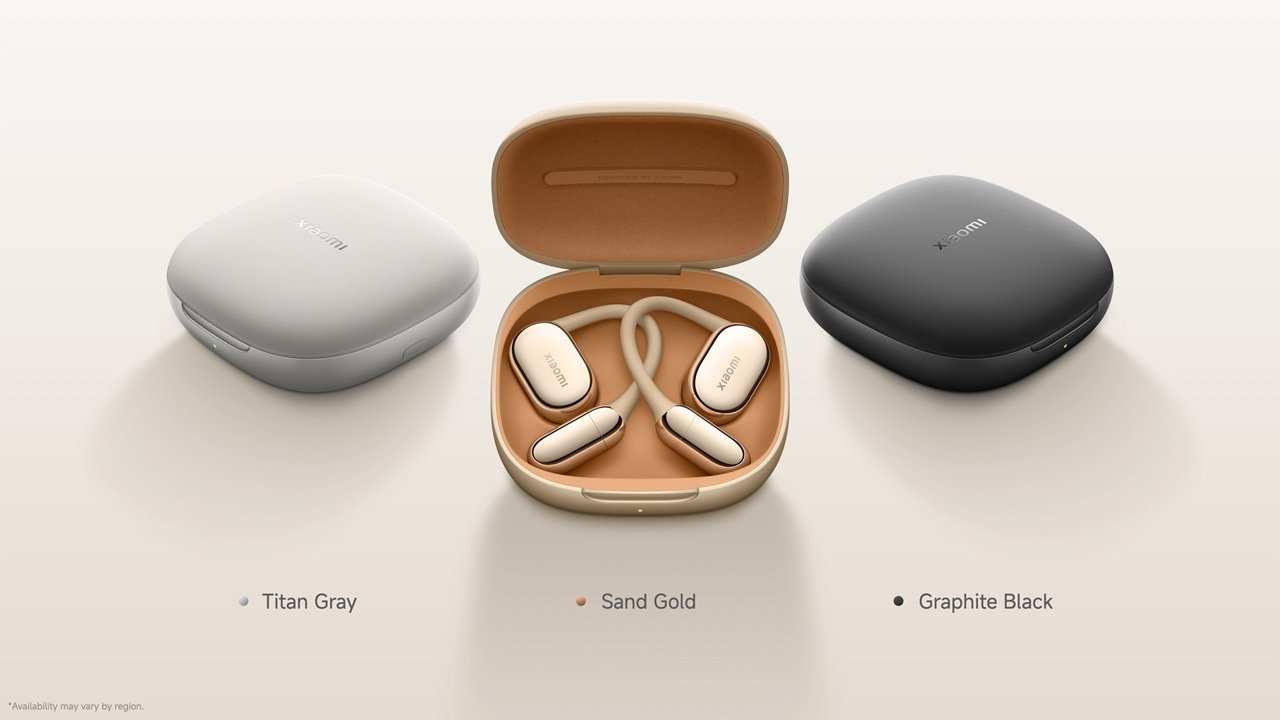
For audio lovers, the OpenWear Stereo Pro brings an open-ear design, letting you enjoy music and calls while still being aware of your surroundings.
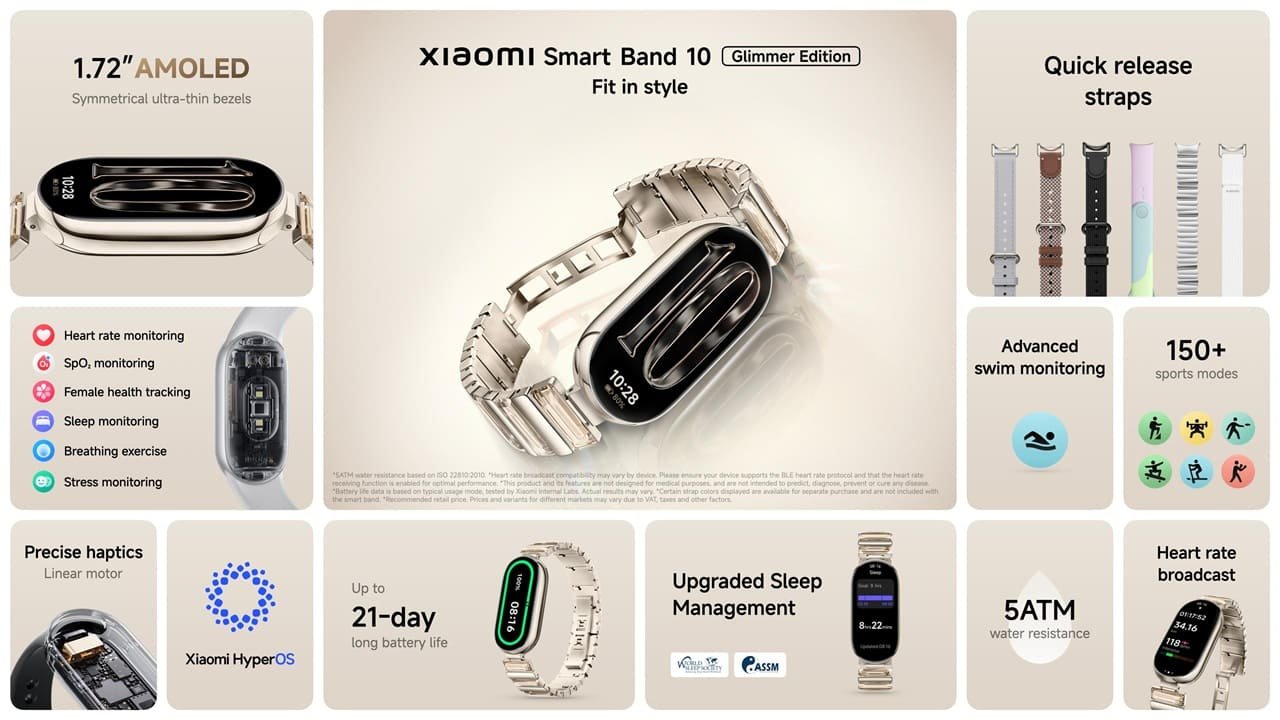
And then there’s the Smart Band 10, Xiaomi’s latest affordable fitness tracker. It’s slimmer, smarter, and offers customizable straps, making it a casual entry point into Xiaomi’s ecosystem.
Xiaomi TV S Pro Mini LED
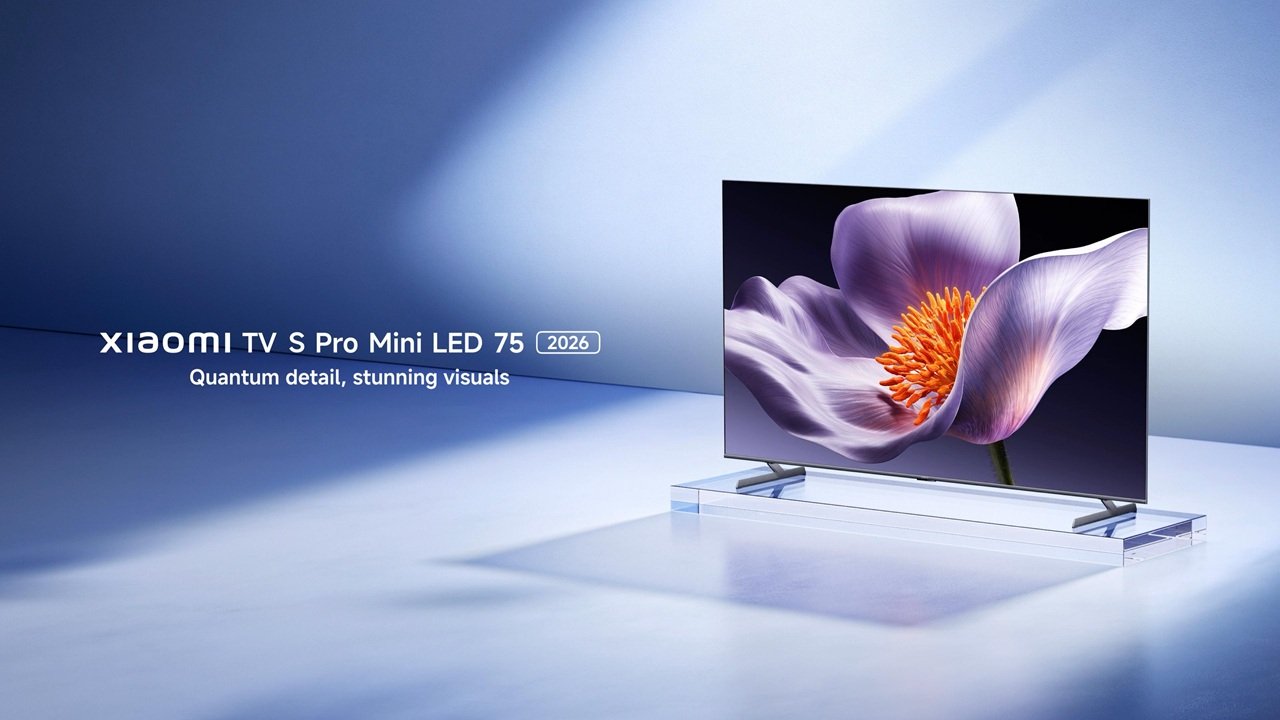
Not content with phones and tablets, Xiaomi also refreshed its premium TV lineup with the TV S Pro Mini LED 2026 models, available in 55, 65, and 75 inches. These TVs use mini-LED technology for better contrast and brightness, and with HyperOS baked in, they become more than just screens. You can cast from your phone, sync with other devices, and even use them as smart home dashboards. Perfect for the modern living room. Or, if you’re in Kenya, a perfect candidate for import, since official availability isn’t confirmed.
Smarter homes: vacuums, cameras, and Mijia appliances
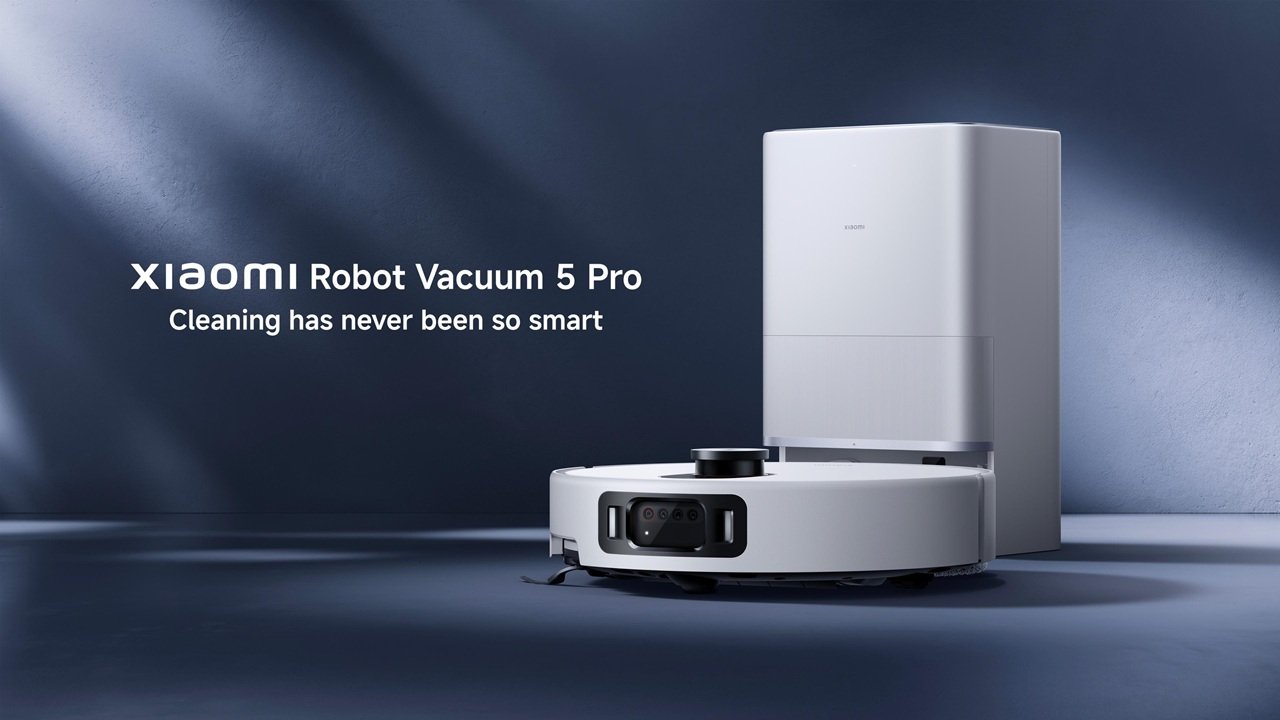
Xiaomi flexed its smart home muscles too. The Robot Vacuum 5 and Vacuum 5 Pro arrive with stronger suction, better obstacle avoidance, and smarter room mapping.
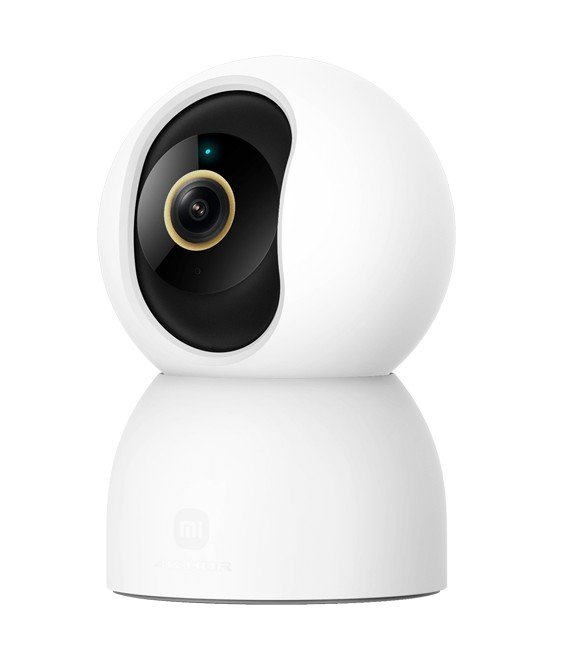
The Smart Camera C701 adds AI-powered motion detection and crisp video capture for home security.
And then there’s the Mijia trio of appliances: the Air Conditioner Pro Eco 3.5 kW, the 502L Cross Door Refrigerator, and the Front Load Washer Dryer Pro 9kg. These aren’t just boring appliances. They’re fully connected, energy-efficient, and controllable from your Xiaomi ecosystem. Imagine adjusting your AC before you get home, checking the fridge temperature from your phone, or scheduling a wash cycle from the couch.
While many of these products won’t show up on Xiaomi Kenya’s official shelves, that’s not the end of the story. Kenyan retailers are known for sourcing devices from other markets, and parallel imports are always an option if you’re eager enough. For phones like the Xiaomi 15T Pro or wearables like the Watch S4, this could be the only way they land in local hands anytime soon.
What stands out most is how Xiaomi is doubling down on its ecosystem play. HyperOS 3 isn’t just about your phone. It’s about making your gadgets, screens, and even your fridge talk to each other. For Kenyan consumers, that’s exciting. It means more competition in a market dominated by a few big names, and more ways to pick devices that work together seamlessly.
In short, Xiaomi’s September 24 event wasn’t just a product dump. It was a statement of intent: to be not just a phone maker, but a lifestyle tech brand that wants to power your entire home. And whether or not these gadgets officially make it to Kenya, you can bet local tech fans will find a way to get their hands on them.






Join the discussion