

For years, mobile money and traditional global finance have operated like two different railway systems with different track gauges. You could move money beautifully within one, but transferring to the other required awkward, manual workarounds.
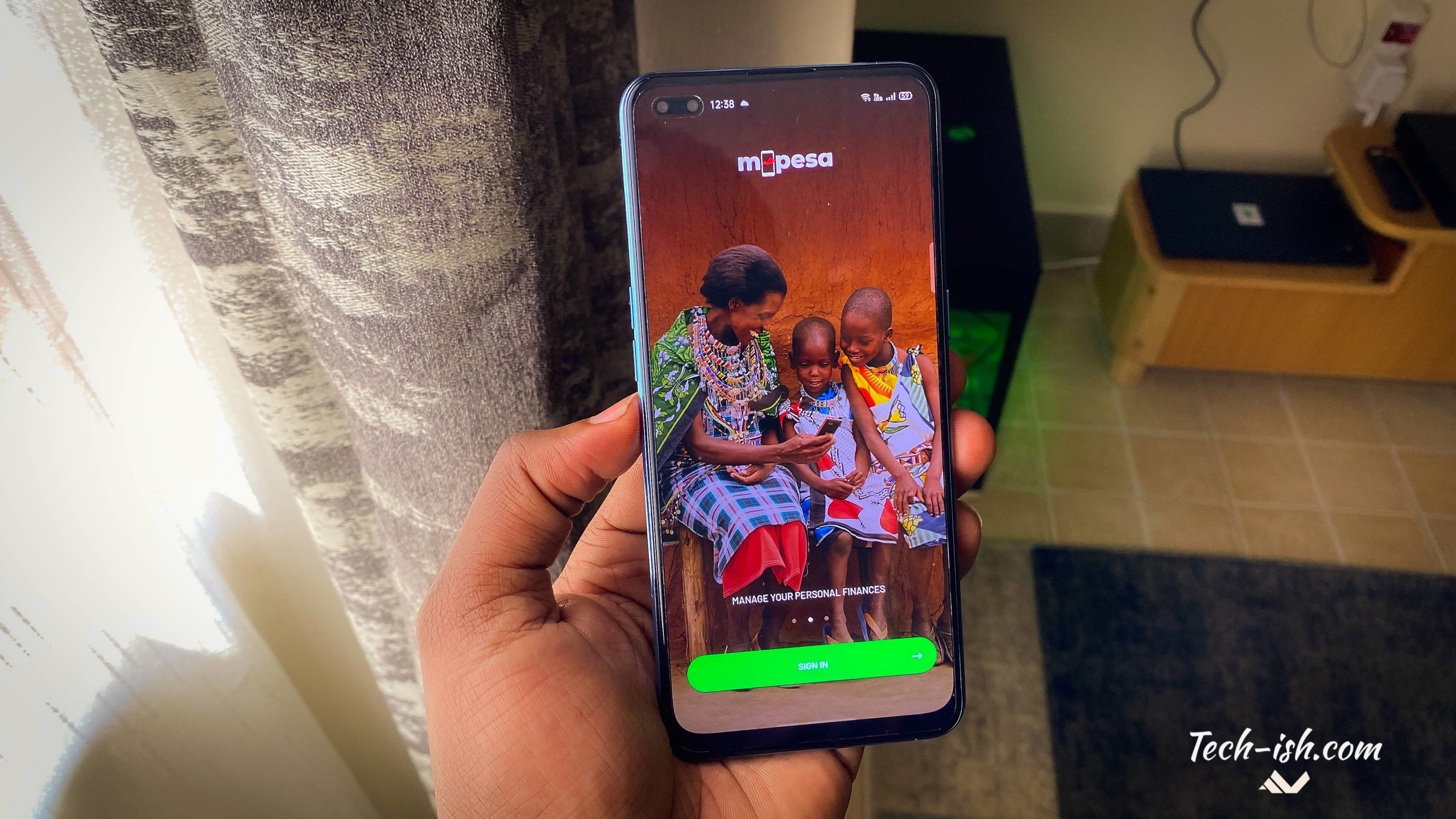
Today, that gap officially closes. Vodacom Tanzania, in partnership with M-Pesa Africa, Visa, and backend processor Paymentology, has launched Africa’s first mobile-money Tap-to-Pay feature. Embedded directly within the M-Pesa SuperApp, the update allows Android users in Tanzania to tap their phones at any Visa-enabled Point-of-Sale (POS) terminal worldwide.
It is a monumental shift: the uncoupling of mobile money from the local USSD grid and its integration into the global contactless hardware network.
Bypassing the Bank
Historically – and globally – to use your phone to tap and pay at a supermarket, you needed a traditional bank account, or something linked to Google Wallet or Apple Pay. This launch bypasses the commercial bank entirely.
With Tanzania’s mobile money ecosystem exploding to 76.5 million accounts as of December 2025 (a 21% jump from 2024), the sheer volume of capital flowing through M-Pesa is staggering. But until now, if a user walked into an establishment that only took cards, or if they travelled abroad, their mobile money was effectively trapped.
Now, a Tanzanian user can land in Nairobi, walk into a café, and tap their phone to pay KES 500 for a coffee. The system instantly deducts the equivalent in Tanzanian Shillings from their M-Pesa wallet. No physical card, no forex bureau, and no complex withdrawal processes.
How the Magic Happens
To understand why this is a technical feat, we have to look under the hood at the issuing infrastructure managed by Paymentology.
When an Android user brings their phone near a Visa terminal, the transaction doesn’t actually send their M-Pesa details or a static card number through the air. Instead, it relies on three pillars:
- NFC (Near Field Communication): The hardware in the smartphone that allows it to “talk” to the POS machine over a few centimetres.
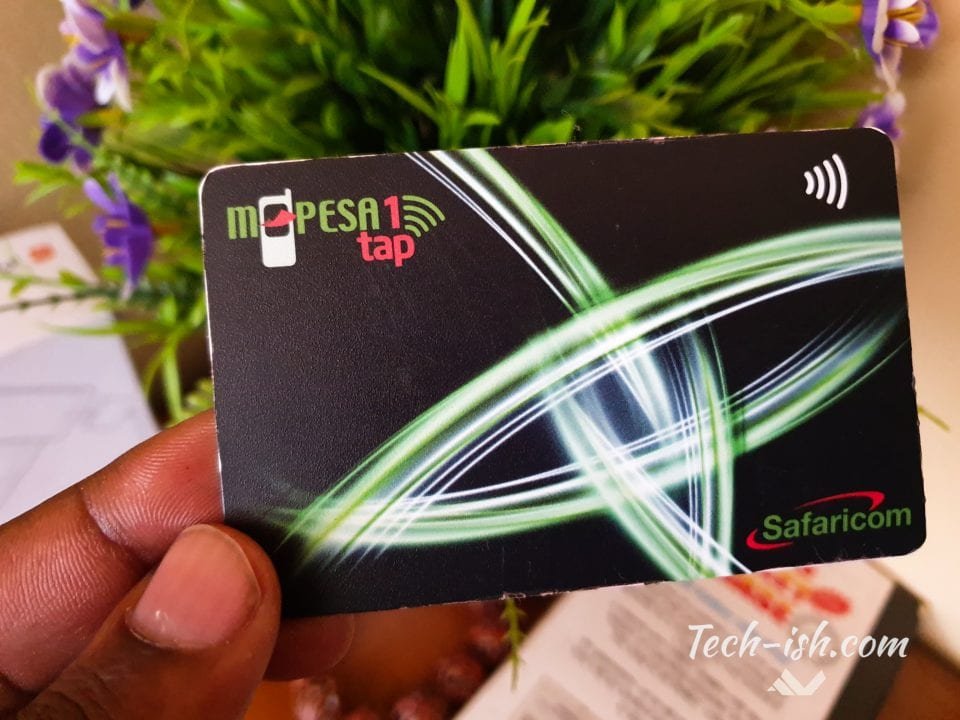
- The Virtual Card: M-Pesa generates a virtual Visa card within the app, acting as the translator between the closed-loop mobile wallet and the open-loop Visa network.
- Tokenisation: This is Paymentology’s heavy lifting. The cloud processor generates a unique, temporary digital “token” for that specific transaction. Even if the POS terminal is compromised, the data a hacker might intercept is entirely useless for future transactions.
Who is This Actually For?
While the executives praise this as a massive leap for financial inclusion, a critical look reveals a stark hardware bottleneck.
The Optimistic View: This democratises global commerce. Anyone with an M-Pesa account and an Android smartphone now wields the exact same purchasing power at a modern terminal as a premium bank account holder. It forces traditional banks to rethink their value propositions, as mobile wallets can now do everything a checking account can.
The Sceptic’s View: Africa runs heavily on feature phones and entry-level smartphones. NFC technology is typically reserved for mid-to-high-tier devices. Consequently, this feature is currently gated behind a hardware paywall, accessible primarily to the middle and upper classes. Furthermore, it relies on merchant POS infrastructure. Outside of Dar es Salaam or Arusha, how many local merchants have active, contactless Visa terminals? The reality is that QR codes and direct paybill numbers will remain the dominant local payment method for the foreseeable future.
The Bigger Picture
Despite the hardware constraints, rolling this out in Tanzania first is a calculated move. The country’s rapid mobile money adoption and cross-border trade dynamics make it the perfect proving ground.
If Paymentology and Visa can iron out the interoperability kinks here, expanding this capability across the rest of M-Pesa Africa’s footprint is inevitable. The lines between a mobile network operator and a global commercial bank haven’t just blurred; they have practically vanished.