
Ghana International Bank names Ian Greenstreet CEO, pending UK regulatory approval
He replaces Dean Adansi, whose departure the bank has not explained.

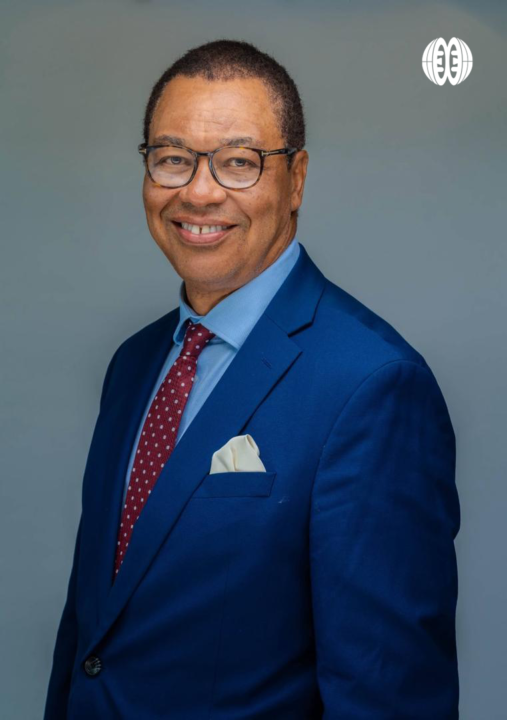
Ghana International Bank (GHIB), a London-based and Ghanaian-owned lender, has appointed Ian Greenstreet as its new Chief Executive Officer. The appointment carries an important condition. It is “subject to the completion of the customary regulatory approval process in the United Kingdom,” which means Greenstreet cannot formally run the bank until UK regulators have cleared him for the role.
It helps to understand what GHIB actually is, because it is not a typical retail bank. It was established in 1959 as the London branch of Ghana Commercial Bank, two years after Ghana’s independence. Today it operates in the City of London as a UK-regulated institution. Its main business is trade finance, alongside correspondent banking and services for corporates, small businesses and the Ghanaian diaspora. In simple terms, GHIB is part of the financial plumbing that moves capital, credit and payments between global markets and businesses in Ghana and across Africa.
Its ownership is the detail most readers will miss. The Bank of Ghana, the country’s central bank, holds more than half of GHIB, with the remainder owned by Ghanaian institutions including GCB Bank, SSNIT and ADB. The bank’s chairman, Dr Johnson Pandit Asiama, is also the Governor of the Bank of Ghana, a position he assumed in February 2025. The same person therefore chairs the bank and leads its majority owner.
Who Ian Greenstreet is
Greenstreet is an experienced choice on paper. He is the founder and chairman of Infinity Capital Partners, a London corporate finance firm regulated by the UK Financial Conduct Authority, and he trained as a chartered accountant. Over a career spanning roughly four decades, he has held senior positions at institutions including ABN AMRO, Lloyds and Henderson Fund Management. He has also served on boards across Africa, among them Diamond Bank in Nigeria and Bank of Africa, where he represented the Dutch development bank FMO, and he was a founding member of the London Stock Exchange’s advisory board. His Ghanaian heritage, reflected in his middle name Owulakwao, fits a bank built to connect London and Accra.

In the official announcement, Dr Asiama said the board was confident that under Greenstreet’s leadership the bank would deliver disciplined growth, sustainable profitability and regulatory excellence.
What the announcement does not address
The press release we received does not name the outgoing CEO or explain why the role is vacant. Greenstreet succeeds Dean Adansi, who had led GHIB since 2019. Ghanaian outlets including MyJoyOnline and Citi Newsroom report that Adansi’s exit was sudden, communicated by the board over a weekend, and described internally as the chief executive “assuming leave,” even as a successor was introduced. In a message to staff reported by those outlets, Adansi said the bank had grown trade revenues by more than 300% during his tenure and had reached a $100 million revenue target within five years. GHIB has not publicly stated the reason for the change.
This is where the regulatory condition in the announcement matters. Under the UK’s Senior Managers and Certification Regime, the person performing the chief executive function, known as SMF1, must be approved by the FCA before carrying out the role. Firms must also formally notify regulators when a senior manager leaves. Governance specialists quoted by Ghanaian media questioned whether the rapid transition followed those steps, noting that public records still listed Adansi as a director in early June. Until the FCA completes its assessment, Greenstreet is the chief executive designate rather than the chief executive in law.
The context adds weight to that process. GHIB was placed on a UK regulatory watchlist in 2016 and has since gone through a remediation phase that, according to local reporting, included voluntary restrictions on parts of its business and an independent Section 166 review commissioned by UK regulators. A bank with that record has limited room for a leadership change that regulators might view as untidy.
Why this matters beyond Ghana
GHIB is not a consumer brand, but it sits at a point in the system that affects the cost and reliability of moving money in and out of Africa. Correspondent banks like it clear cross-border payments and trade credit, and the line between traditional banking and fintech keeps narrowing across the continent, a shift we have explored before. Who leads these institutions, and whether they remain in good standing with regulators, has real consequences for businesses and the diaspora who rely on them.
For now, the appointment is provisional. Greenstreet cannot lead GHIB until UK regulators approve him. The two things to watch are how quickly that approval comes and whether the bank or its regulators say anything further about how the previous chief executive left. Those answers will say more about GHIB’s stability than the welcome in the announcement does.







Join the discussion