
Infinix Set to Unveil World’s Thinnest 6mm Smartphone, Challenging Apple’s iPhone 16 Launch

The smartphone industry is abuzz with anticipation following the recent unveiling of Apple’s iPhone 16 series, but Infinix, a brand known for targeting younger, budget-conscious consumers, is preparing to make its own significant impact. According to recent reports and teases, Infinix is poised to release what could be the world’s thinnest smartphone, measuring under 6mm thick – a feat that would place the company directly in competition with tech giant Apple in terms of pushing smartphone design.
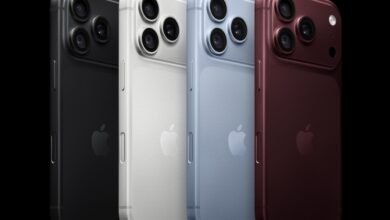
Apple’s iPhone 16 series, launched this September, comes with a number of upgrades, particularly in performance, camera technology, and battery life. However, one aspect that remains largely unchanged is the thickness of its design. The new iPhone 16 Pro Max retains its predecessor’s 8.25mm thickness, prioritizing enhanced battery capacity and more advanced internal components over a thinner profile.
While the thickness allows Apple to deliver on performance promises, this decision highlights Apple’s continued focus on functionality over form. Yet, it’s this very decision that could leave an opening for competitors like Infinix to capture consumer interest with a radically different design philosophy.
Infinix’s Bold Move: Less Than 6mm Thin

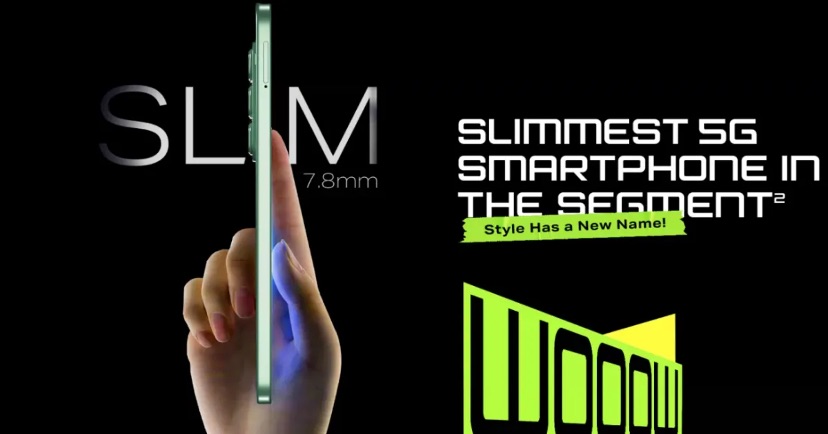
Reports indicate that Infinix’s next release will challenge the norm with a device rumored to be less than 6mm in thickness, making it potentially the slimmest smartphone on the market. Leaked images suggest a strikingly thin design with a tri-camera setup reminiscent of the HOT 50 5G, a device launched recently in India. The new Infinix phone will also feature a 3D curved display, commonly seen in flagship devices, which would be a notable addition to its sleek design.

In contrast to Apple’s thicker iPhones, Infinix seems to be taking the opposite route by prioritizing a design-thin first approach. However, the big question remains: how will Infinix balance slimness with performance, particularly in areas such as battery life and processing power?
The Battle of Functionality vs. Design
The challenge for Infinix will be creating a phone that, while slim, doesn’t sacrifice core features such as battery life, processing power, and durability. Apple’s decision to stick with an 8.3mm thick iPhone speaks to its focus on housing larger batteries and advanced components that meet its users’ needs for longevity and functionality.
For Infinix, maintaining a robust feature set while achieving an ultra-thin profile will be no easy task. Its HOT 50 5G, which comes with a 5000mAh battery and a 7.8mm thick body, has proven that the company is capable of designing slim yet functional devices. But pushing the limits further to achieve under 6mm could redefine the standard for what’s possible in mobile design, creating new expectations around both form and function.
Android vs. Apple: The Ever-Evolving Innovation War
The rivalry between Apple and Android-based brands has always driven the smartphone industry to innovate, and this latest development adds a new layer to that ongoing competition. While Apple continues to lead in areas like high-end performance and ecosystem integration, Android brands, including Infinix, are making significant strides in creating their own seamless ecosystems.
Infinix, like many Android brands, is not just pushing the envelope with innovations in foldable screens, fast charging, and ultra-thin designs; they are also advancing in ecosystem integration. With their expanding range of laptops, tablets, and other smart devices, Infinix is working toward delivering a unified experience across platforms. This integrated approach allows users to effortlessly connect and sync their devices, from smartphones to tablets and laptops, offering a cohesive and interconnected experience that rivals Apple’s ecosystem. The competition is no longer just about individual device features but also about providing users with a comprehensive, connected environment across all their devices.
Infinix’s bold move towards producing the slimmest phone on the market could set a new trend in smartphone aesthetics, especially for users who prioritize style and portability. However, it remains to be seen whether this will be enough to capture the attention of consumers who have become accustomed to Apple’s more conservative but highly functional designs.
The Future of Smartphone Design
As Infinix prepares to unveil what could be a groundbreaking phone, the race between Apple and Android brands continues to intensify. Apple’s iPhone 16 series, while arguable not revolutionary in terms of design, is expected to appeal to users through its familiar interface, improved hardware, and long-lasting battery life. Meanwhile, Infinix’s rumored release could cater to a different segment of the market—those who value a sleek, slim form factor without compromising essential features.
The tech world will be watching closely as both companies push the boundaries of smartphone design in their own ways. For consumers, the choice may come down to whether they prioritize sleekness and innovation or prefer the stability and reliability of a well-established brand like Apple. One thing is certain: the smartphone landscape is about to get even more exciting.
With these developments, the conversation around design, functionality, and innovation in the smartphone industry continues to evolve, and Infinix is positioning itself as a brand to watch, particularly as it seeks to challenge Apple in new and unexpected ways.






Join the discussion