

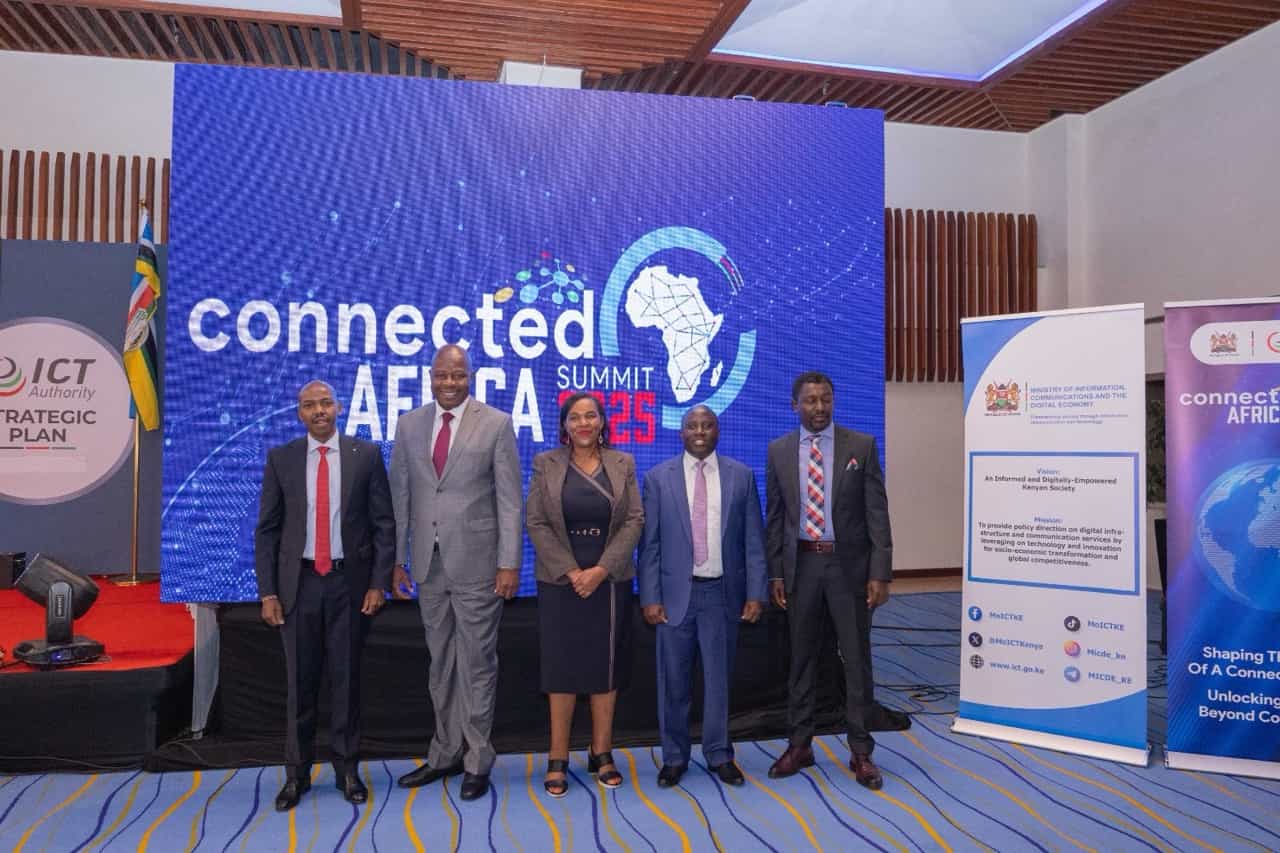
The ICT Authority of Kenya, icta.go.ke, has launched its Strategic Plan for 2024-2027, outlining its roadmap for advancing key government digital policies, projects, and initiatives over the next four years. This ambitious plan focuses on implementing the Digital Superhighway and promoting the creative economy, aligning with the goals set out in the National Digital Masterplan 2022-2032.
The strategy aims to propel the country toward digital transformation, with an emphasis on expanding secure broadband infrastructure, enhancing digital literacy, and facilitating access to e-government services for all citizens. This plan reflects the government’s commitment to using digital technologies to make public services more accessible to all Kenyans.
Digital Transformation and Empowerment
Speaking at the launch event, Dr. Margaret Ndung’u, Cabinet Secretary for Information, Communications, and the Digital Economy, praised the ICT Authority’s achievements and emphasized the importance of the new strategy in guiding the implementation of key ministry projects. She highlighted the role of digital technologies in bridging gaps across communities and ensuring equitable access to digital opportunities.
“With this strategic plan, we are building digital bridges that span the width of our great nation, ensuring that no community, no person is left behind in our digital evolution. For me, it is important that women, particularly those in rural areas, are empowered through digital technologies as our future generation is predominantly in their hands,” remarked CS Ndung’u.

The plan includes significant infrastructure developments, such as expanding Kenya’s fiber optic network by 100,000 kilometers, establishing 25,000 public Wi-Fi hotspots, and creating 1,450 Digital Village Smart Hubs across the country. These initiatives aim to enhance internet connectivity and provide opportunities for digital growth in underserved areas.
Plans for Connected Africa Summit 2025
A key announcement at the event was Kenya’s plan to host the second edition of the Connected Africa Summit in 2025. This summit aims to harmonize regional and continental ICT policies and provide a platform for addressing Africa’s digital challenges. Dr. Ndung’u assured ICT stakeholders that the government is committed to streamlining policies, investing in infrastructure, and fostering a conducive regulatory environment for both national and international investors.
“Our role as a government is to be a facilitator, to create opportunities and remove barriers, and we are committed to doing that. To our private sector partners, I urge you to continue investing in innovation, training, and infrastructure that will empower the next generation of African leaders. Your involvement is crucial to ensuring that Africa’s digital economy is inclusive and resilient,” added CS Ndung’u.
Private Sector Leadership in 2025 Summit
ICT and Digital Economy Principal Secretary Eng. John Tanui underscored the government’s commitment to making the 2025 Connected Africa Summit a more impactful event. He stressed the importance of collaboration between ICT stakeholders and encouraged private sector leadership in the upcoming summit.
“As we look towards the 2025 Connected Africa Summit, I’ve had conversations with the ICT Authority, and we would like to see the 2025 Summit largely led by the private sector. We must look at this as a platform to share experiences on local manufacturing, software development, and the development of ICT solutions,” PS Tanui explained. He also noted the progress made in local manufacturing of devices over the past year and called for more such initiatives across the continent.
Maximizing ICT Infrastructure Investments
Stanley Kamanguya, CEO of the ICT Authority, highlighted the critical role of the Connected Africa Summit in tackling the continent’s digital challenges. He stated that the 2024-2027 strategic plan would enable the Authority to leverage platforms like the summit and drive commercialization of government ICT infrastructure.
“Within this strategy, we have identified some revenue-raising measures that the Authority can undertake to support the government’s agenda on the digital economy. Over the last 10 to 15 years, the government has made massive investments in NOFBI [National Optic Fibre Backbone Infrastructure]. We have an opportunity to unlock the value of these investments, collaborate with the private sector, and allow them to come into this network and on-sell it to customers. We can then feed these revenues back to support the implementation of the strategic plan and the wider government agenda on the digital economy,” Kamanguya explained.
A Collaborative Approach to Africa’s Digital Future
The event saw the participation of key stakeholders from the ICT sector, including Broadcasting and Telecommunication PS Prof. Edward Kisiang’ani, ICT Authority Board Chairman Hon. Sylvanus Maritim, and several CEOs from the ICT industry. Partners and sponsors of the Connected Africa Summit 2024 were also in attendance.
As Kenya sets its sights on the Connected Africa Summit 2025, the collaboration between government and private sector players is expected to play a crucial role in driving the country’s digital transformation and positioning Africa as a leader in the global digital economy.
Conclusion
The launch of the ICT Authority’s 2024-2027 Strategic Plan marks a significant milestone in Kenya’s digital evolution. With ambitious goals to expand broadband infrastructure, enhance digital literacy, and increase access to e-government services, the plan sets the stage for a digitally inclusive future. The announcement of the Connected Africa Summit 2025 further underscores Kenya’s leadership in the ICT sector and its commitment to fostering regional collaboration to address Africa’s digital challenges.







Join the discussion