

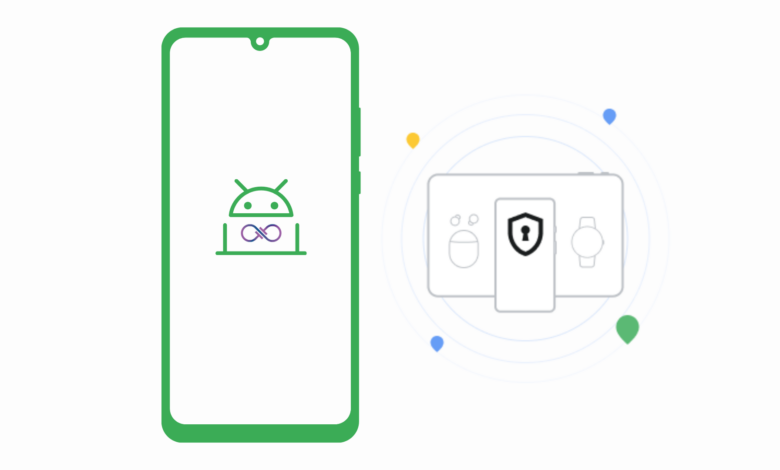
Google’s Find My Device network is receiving significant updates aimed at improving its functionality, user accessibility, and privacy safeguards. The network, which launched in May 2024, has faced criticism for its opt-in design and limited effectiveness compared to Apple’s robust Find My network. However, Google’s latest email notification to Kenyan users on the Android Platform outlines new changes set to roll out in January 2025, addressing some of these concerns while doubling down on privacy-first principles. Here’s everything you need to know about the Find My Device network, its features, criticisms, and the upcoming updates.
What Is Google’s Find My Device Network?
The Find My Device network is a crowdsourced tracking system that leverages the power of over a billion Android devices worldwide to locate lost devices and accessories. Unlike traditional device-tracking methods, which require an active internet connection, the network uses Bluetooth signals to locate offline devices and compatible accessories like Fast Pair earbuds and tracker tags.
Key features include:
- Offline Tracking: Devices can be found even if they are disconnected from Wi-Fi or mobile networks.
- Fast Pair Accessory Support: Trackers like earbuds, headphones, and even physical items (e.g., wallets, keys) equipped with tracker tags can be located.
- End-to-End Encryption: Location data is encrypted, ensuring only the owner can access it.
The network also includes features like unwanted tracker alerts, notifying users if an unknown tracker is following them.

Upcoming Changes to Find My Device
1. Expanded Participation Options
Google is introducing customizable participation levels to give users greater control over their data:
- High-Traffic Areas Only: Devices participate in crowdsourcing for aggregated location reporting in busy places like airports and malls.
- All Areas: Extends participation to less-populated regions, increasing the likelihood of locating items quickly.
These options aim to strike a balance between privacy concerns and network usability, addressing criticism that the current opt-in model limits the network’s effectiveness.
2. Enhanced Privacy Safeguards
Google is emphasizing its privacy-first approach, which has been a focal point of criticism and defense. Key safeguards include:
- End-to-End Encryption: Ensures location data is only accessible to the owner.
- Unique Device Keys: Data is secured using the device’s PIN, pattern, or password, adding an extra layer of security.
By reinforcing these features, Google aims to counter allegations that its privacy concerns are merely a smokescreen.
3. Notification of Participation
Starting January 2025, users will receive notifications about the Find My Device network and its features three days before activation, allowing them to make informed decisions about opting in or out.
4. Expanded Accessory Support
The network now supports a broader range of devices, including:
- Fast Pair Accessories: Earbuds and headphones.
- Tracker Tags: Items like wallets, keys, and bikes equipped with tracker tags can now be located more reliably.
This expansion increases the utility of the network, making it a more competitive alternative to Apple’s Find My network.
How Does the Network Compare to Apple’s Find My?
Despite these improvements, Google’s Find My Device network still differs fundamentally from Apple’s Find My network, which has been widely lauded for its efficiency and user experience.
Opt-In vs. Opt-Out
- Apple: Devices are automatically included unless users opt out, resulting in a highly dense and effective network.
- Google: Users must explicitly opt in, reducing overall participation but prioritizing privacy.
Effectiveness
Apple’s network benefits from years of adoption and integration across its ecosystem. Google’s newer network is still building its base, with critics labeling it “almost useless” in its early stages.
Privacy Approach
Google’s cautious rollout focuses on user consent and encryption, which some argue dilutes the network’s functionality. Critics point out the irony of Google prioritizing privacy, given its history of data collection controversies.
Criticism of Google’s Approach
Google has faced backlash for its opt-in model, with users and analysts suggesting it hampers the network’s utility. Additionally, the delayed launch of the network—partly to ensure compatibility with Apple’s tracker alert system—was seen as a missed opportunity to compete more aggressively. While the company defends its privacy-centric design, critics argue that Google could adopt an opt-out model with robust safeguards, similar to Apple, to enhance effectiveness without compromising user security.
Why This Matters
The Find My Device network represents a significant step in Android’s efforts to compete with Apple’s seamless ecosystem. However, its cautious implementation reflects a growing trend in the tech industry toward privacy-conscious design. By offering users greater control and transparency, Google is positioning itself as a responsible steward of user data, even at the expense of short-term network effectiveness.
What Users Should Do
1. Review Notification Settings
Expect a notification three days before the changes take effect. Use this time to decide whether to opt in or out of the network.
2. Set a PIN, Pattern, or Password
Encryption features require a secure lock screen to function. Ensure your devices are set up to take full advantage of the network.
3. Explore Participation Levels
Consider your privacy and functionality preferences when choosing between high-traffic-only or all-area participation.
4. Update Devices
Ensure your Android device is running the latest software to access all features.
Conclusion
Google’s updated Find My Device network marks a notable shift in its approach to device tracking. While the opt-in model and privacy-first design address some criticisms, the network still faces challenges in matching the efficiency of Apple’s system. However, with over a billion Android devices contributing, the network has significant potential to grow into a competitive solution for Android users worldwide.
Whether these changes can fully address past criticisms remains to be seen, but they highlight Google’s commitment to balancing privacy and functionality in an increasingly interconnected world.







Join the discussion