
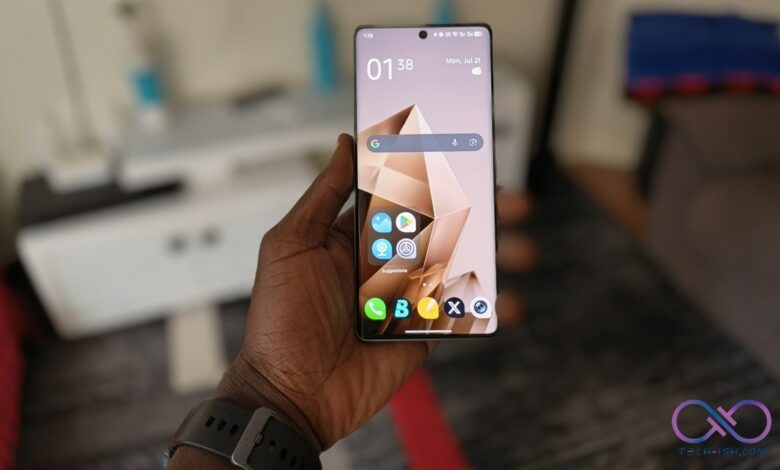
The mobile phone is one of Kenya’s greatest success stories. From the days of queueing at a telephone booth to use a landline, to the era of M-PESA transactions at the tap of a screen, the device has transformed how we communicate, work, and live. But according to the Ministry of ICT’s latest report, not everyone owns one. At least not personally.
The 2023/24 Kenya Housing Survey shows that while 93.8% of households have at least one mobile phone owner, only 53.7% of Kenyans personally own a handset. And here’s the striking part: 11.3% of Kenyans use a mobile phone they don’t own. These are “mobile sharers”, people who borrow a phone from a friend, neighbour, or relative just to make calls or check messages.
The gap between urban and rural ownership is wide. In cities, 64.6% of individuals own a phone; in rural areas, that figure drops to 48.6%. And while this might not sound drastic, the difference in how these devices are used is huge. Urban dwellers are far more likely to own smartphones, download apps, and use their devices for internet-based services.
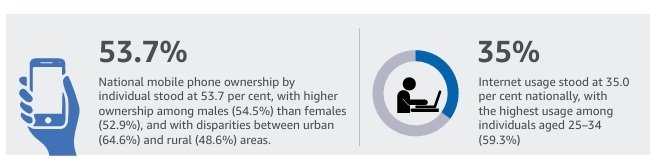
This ties neatly with the CA’s recent findings, which reported that smartphones dominate internet access in Kenya, especially among young urban users. In fact, mobile data is how most Kenyans connect to the internet. But in rural areas, affordability and patchy infrastructure mean feature phones are still common. And in some households, one device is shared among several people.

Education and income play a huge role in this divide. Among Kenyans with higher education, ownership is above 91%, while only about one-third of those with no formal schooling own a phone. The age factor is also telling: 25–44 year olds are the most connected, with ownership nearing 90%, while those above 65 have much lower figures.
It’s not just about having a phone; it’s about the control and privacy that comes with owning it. Borrowed devices mean waiting for someone to be available, missing urgent calls, or having limited access to mobile money.
The takeaway is that Kenya’s mobile revolution is not yet fully personal. While households may be covered, the individual right to a personal device is still not universal. Closing that gap through affordability initiatives, infrastructure expansion, and budget phones could be key to ensuring that every Kenyan has direct, private access to the services and opportunities that mobile phones bring.
In a country where mobile banking, e-government services, and social connectivity all live in our pockets, sharing a phone shouldn’t still be a necessity in 2025.







Join the discussion