

The public transportation system in Nairobi is, by many accounts, fundamentally broken. For decades, the city’s primary mode of mass transit has been the “matatu” – a sprawling, decentralised network of privately owned minibuses. The matatu culture is notoriously noisy, frustrating to many commuters, and operates on an improvised system that frequently flouts traffic rules. Routes bend according to driver discretion, fares float dynamically based on weather or peak demand, and fixed timetables are virtually non-existent.
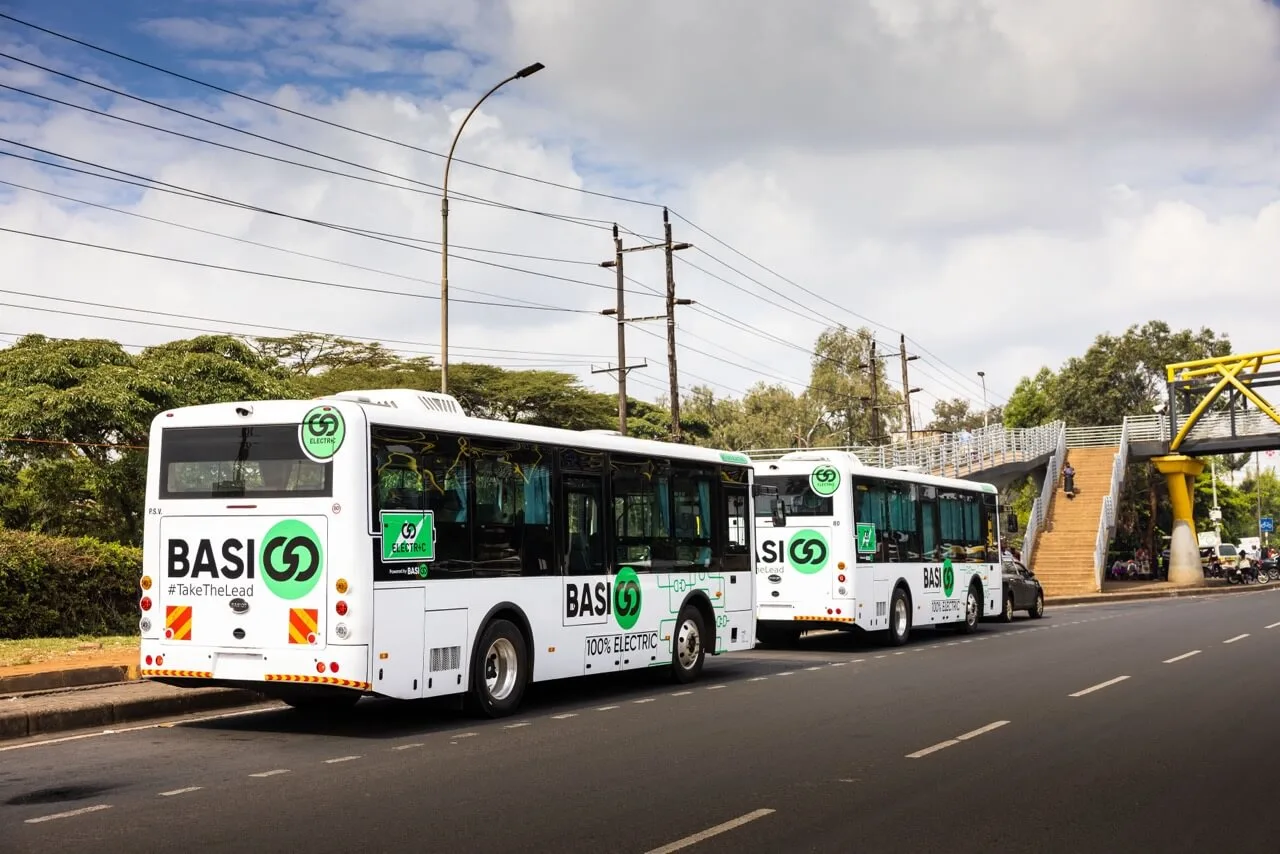
Stepping into this chaotic fray is BasiGo, a Kenyan e-mobility startup founded in 2021. Originally operating purely as an electric vehicle supplier, the company has recently expanded its strategic footprint to introduce a scheduled, fixed-route commuter service utilising its mid-sized electric buses. This pivot represents a highly ambitious attempt to formalise Nairobi’s transit market, but it requires navigating a deeply entrenched system that has violently rejected disruption before.
Power of Cartels
BasiGo is not the first well-funded tech entity to attempt to fix Nairobi’s transport woes. A few years ago, the Egyptian mass-transit startup SWVL entered the market with massive venture backing, promising to provide app-based, fixed-route buses for office commuters.
SWVL failed spectacularly. The startup crashed into a wall of rigid transport laws, entrenched transport cartels, and relentless regulatory hurdles from the National Transport and Safety Authority (NTSA). Furthermore, SWVL’s service was decidedly expensive for the average commuter, and it struggled to maintain ridership in a highly price-sensitive environment without the constant injection of promotional codes. Ultimately, SWVL abruptly exited the Kenyan market in 2022.
The “Jenga” Strategy
To avoid SWVL’s fate, BasiGo has adopted a radically different strategy encapsulated by its proprietary “Jenga” partnership model.
Think of the Jenga model as installing a modern, highly efficient software patch onto an outdated operating system. Instead of trying to wipe the hard drive – which is what SWVL attempted by bringing in completely separate, competing fleets – BasiGo uses the existing hardware (the Saccos) but upgrades the processing power (the data, the buses, and the booking system).
Instead of building a parallel fleet from scratch, BasiGo is actively layering its scheduled service directly onto the operations of existing commuter cooperative societies (Saccos) such as Citi Hoppa, East Shuttle, OMA Services, and Embassava. BasiGo provides the capital-intensive elements: the digital booking software, predictive route data, and heavy-duty charging infrastructure. The Saccos manage daily physical operations, labour, and route licences.
This symbiotic relationship is underpinned by a “Pay-As-You-Drive” (PAYD) financing architecture. Saccos purchase the bus shell at a price comparable to a diesel vehicle, while BasiGo retains ownership of the expensive lithium-ion battery. The battery is leased based on kilometres driven – currently billed at approximately KES 26 ($0.17) per kilometre.
The Big Questions
Currently, the service meticulously targets corridors suffering from severe congestion where middle-class professionals reside. Initial pilot routes include the connection from Nyayo Estate to Westlands via the Nairobi Expressway, and from Mwiki to Upper Hill.
The service will operate at a deliberate price premium. BasiGo will charge between KES 150 and KES 200 per trip. This represents a KES 30 to KES 80 premium over the standard KES 80 to KES 120 typically charged by standard diesel matatus. BasiGo is wagering that corporate commuters will pay this premium to escape the noise and friction of the informal system, allowing them to reclaim up to 40 minutes of travel time by avoiding secondary stops.
At the core of this operation is the “Jani” booking app. Jani allows passengers to pre-book guaranteed seats and pay entirely cashlessly via M-PESA. This creates a brilliant data feedback loop. If 40 people in Mwiki need to get to Upper Hill at 6:30 AM, BasiGo knows this the night before, completely eliminating the traditional matatu practice of idling at a stage until the vehicle fills up. This dynamic scheduling helps maintain the strict 80% occupancy rates required to keep premium routes financially viable.
Charging Infrastructure and Sector Growth
Electric buses are uniquely suited for scheduled transport. Their operational economics demand predictability; they rely on strict charging cycles to maximise battery efficiency, which forces a level of schedule discipline that roaming diesel matatus inherently lack.
This shift coincides with a massive influx of electric vehicles in Kenya, bringing the total number of EVs on Kenyan roads to over 35,000. However, for BasiGo to grow, charging infrastructure must scale rapidly. BasiGo has aggressively pursued vertical integration, deploying dedicated, high-capacity DC fast-charging depots. Each depot is capable of sequentially charging up to 100 buses per day at 160 kW speeds, strategically drawing upon Kenya’s renewable grid capacity during nighttime off-peak hours.
Regional Horizons
BasiGo’s ambitious attempt is aided by a realigning regulatory environment, including government tax incentives like zero Value Added Tax (VAT) on electric buses and batteries. While BasiGo faces formidable institutional competition from state actors like Kenya Railways, the startup is already looking beyond Nairobi. It has launched inter-city pilot programmes and successfully exported its model internationally, launching Kigali’s first all-electric scheduled route.
If BasiGo can successfully navigate the operational hazards of the charging grid, manage consumer price sensitivity, and maintain harmony with the powerful Saccos, its scheduled transit model possesses the genuine potential to finally bring order to Nairobi’s famously lawless streets.