

The days of squinting at a smeared till number pasted on a shop counter are officially numbered. Following a successful rollout in Tanzania earlier this week, Safaricom today confirmed that M-Pesa Tap-to-Pay is undergoing internal testing and will soon launch in Kenya.
This isn’t just an iterative update; it is a fundamental shift in how mobile money interacts with physical retail infrastructure. By eliminating the multi-step USSD and app-based payment processes, Safaricom is aggressively moving to make M-Pesa as frictionless as a traditional bank card.
Your Phone is the POS Target
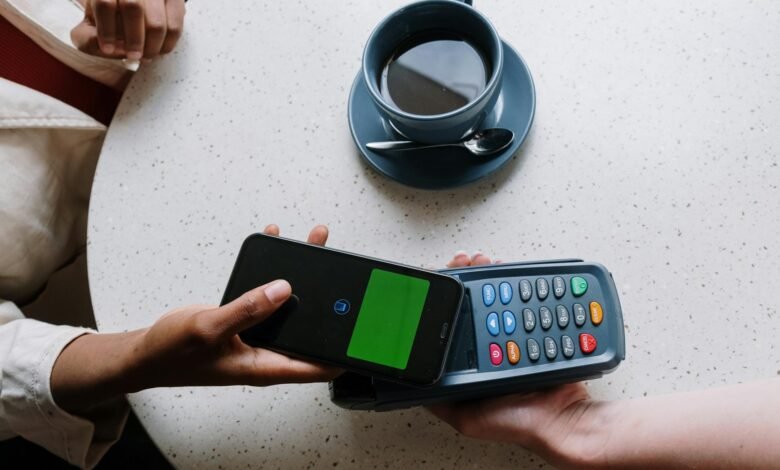
M-Pesa has previously flirted with contactless payments, most notably when it implemented the now defunct 1-tap cards. However, this new integration goes directly to the source. Just like the Tanzanian model powered by Paymentology, your smartphone will physically tap the Point-of-Sale (POS) terminal via Near-Field Communication (NFC).
To truly speed up the checkout queue, Safaricom says it will introduce customisable security thresholds. Users will be able to set their own limits in KES for how much they can tap-to-pay without entering a PIN. If you are buying a quick coffee for KES 350, it is a simple tap and go. If you are purchasing a television, the system will prompt you for your PIN, balancing high-speed convenience with vital security.
Safaricom’s Ambitions are Bearing Fruit
This rollout is a testament to how far the M-Pesa Super App has evolved. Today, underpinned by Safaricom’s ‘Fintech 2.0’ cloud-native architecture, it is a robust, dynamic platform. The integration of tap-to-pay proves that Safaricom’s long-term ambitions to transition from a telecommunications provider into a fully fledged technology company are fully materialising.
The Apple Ecosystem Bottleneck
However, a critical viewpoint reveals a significant divide in who will actually get to use this technology.
While Android users will seamlessly transition to this tap-and-go future, iOS users are likely going to be left scanning QR codes or entering Till and Pay Bill Numbers. Historically, Apple has fiercely guarded its NFC payments ecosystem, refusing to open it up to third-party financial apps and locking the hardware strictly to Apple Pay. Unless a specific, regional regulatory workaround is achieved or Apple alters its global policy, the M-Pesa tap-to-pay feature will inherently remain an Android-first privilege.
Tapping Phones on Phones
Perhaps the most fascinating implication of this launch is what it means for the merchant ecosystem.
Traditional, bulky POS machines are already ageing technology. We are increasingly seeing commercial banks like Absa Kenya pioneer ‘SoftPOS’ solutions; software that turns a standard merchant Android smartphone into a fully functional payment terminal. With M-Pesa entering the contactless arena, we are hurtling towards a radically simplified, peer-to-peer retail reality. Very soon, a transaction at a local market won’t involve a card or a plastic terminal; it will simply be two people tapping their phones together.