
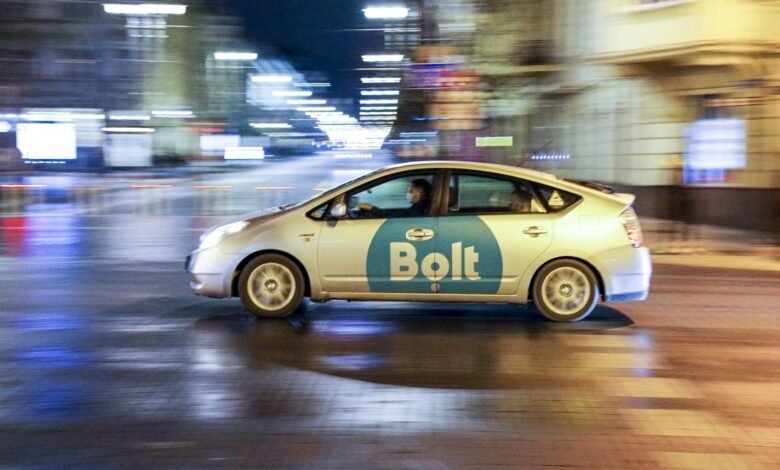
Bolt has increased ride fares in Kenya by 6% following the recent rise in fuel prices, a move the company says is meant to cushion drivers from higher operating costs.
The ride-hailing platform announced the adjustment on Tuesday, saying it had taken feedback from driver partners into account. Drivers have been complaining that fuel costs are eating into their earnings, especially on shorter trips where margins are already tight.
The fare increase means Kenyan customers will now pay slightly more for Bolt rides. For drivers, the company argues the adjustment should improve earnings and make it easier for them to remain active on the platform.
Dimmy Kanyankole, Bolt’s Senior General Manager for Rides in East Africa, said the decision was part of a broader response to concerns raised by drivers.

“Our driver partners are at the heart of our platform, and their ability to earn sustainably is critical to the entire ecosystem. This fare adjustment is part of a broader effort to respond meaningfully to their concerns, particularly around fuel prices, while ensuring that our service remains accessible and dependable for riders,” Kanyankole said in a statement.
The fare change comes after Kenya’s latest fuel price adjustment pushed pump prices sharply upwards. As we already reported, EPRA’s April review initially raised fuel prices significantly before a later tax adjustment moderated the final pump prices.
According to EPRA’s addendum to the April fuel price review, the maximum retail prices in Nairobi from April 16 to May 14, 2026 are KES 197.60 per litre for Super Petrol, KES 196.63 for Diesel and KES 152.78 for Kerosene.
These are still high costs for drivers who rely on petrol or diesel vehicles for daily work. Fuel is one of the biggest operating expenses for taxi and ride-hailing drivers. When prices rise, drivers either absorb the extra cost, increase working hours, or push platforms to adjust fares.
That is what has been happening in Kenya’s online taxi sector. After EPRA announced the April fuel hike, online taxi operators called for a new minimum fare of KES 450 for trips covering up to 3 kilometres. The demand was not immediately adopted by the major ride-hailing platforms, which meant customer prices remained largely unchanged at the time.
Bolt’s 6% adjustment is therefore a partial response to the same pressure. It does not fully match the fare demands made by drivers, but it signals that platforms are beginning to pass some of the higher operating cost to riders.
The company says it has been engaging drivers to understand the economic pressure they are facing and to find ways of keeping the service sustainable. According to Bolt, the goal is to balance driver earnings with rider affordability.
“We understand that price changes affect both drivers and riders, and we have taken a thoughtful approach to ensure that this adjustment supports the sustainability of our platform for everyone,” Kanyankole said.
Bolt also argues that better driver earnings can improve the rider experience. The company says better-paid drivers are more likely to stay online, which could mean more cars on the road, shorter waiting times and more reliable service for customers.
That argument makes sense from a platform perspective. Ride-hailing apps depend on driver availability. If fares are too low, drivers can decline trips, work fewer hours, switch platforms, or leave the sector entirely. That can make the app less useful for riders, especially during peak hours, in bad weather, or in areas where driver supply is already low.
However, the fare increase also comes at a difficult time for consumers. Transport costs feed directly into household budgets. A 6% increase may look small on one trip, but it adds up for people who use ride-hailing services often. It also comes alongside higher fuel prices, higher food costs and other cost-of-living pressures.
The bigger issue is that ride-hailing pricing in Kenya remains squeezed between two groups with competing needs. Drivers want fares that reflect the real cost of operating a vehicle. Riders want affordable and predictable transport. Platforms want enough drivers online while keeping prices low enough to maintain demand.
Fuel prices make that balance harder. Kenya’s fuel prices are reviewed monthly by EPRA, and the next review is expected soon. There is still uncertainty around global oil markets because of instability in the Middle East, which has affected fuel supply and pricing.
In April, President William Ruto said the government would provide KES 6.5 billion to cushion Kenyans from high fuel prices. The National Assembly also passed changes reducing VAT on petroleum products from 16% to 8% for a limited period. EPRA later recalculated the prices, bringing Nairobi petrol and diesel prices down from the initial April announcement.
Even with those interventions, fuel remains expensive for drivers. That is why ride-hailing fares are likely to remain a sensitive issue. If the next EPRA review raises prices again, drivers may push for further fare changes. If prices fall, riders may expect platforms to reverse or moderate the increases.
For now, Bolt riders in Kenya should expect to pay more. The company’s position is that the increase is needed to keep drivers earning sustainably and to maintain service reliability. The practical takeaway is simple: ride-hailing prices are now directly reflecting Kenya’s fuel price pressure, and future EPRA reviews could influence what riders pay next.









Join the discussion