

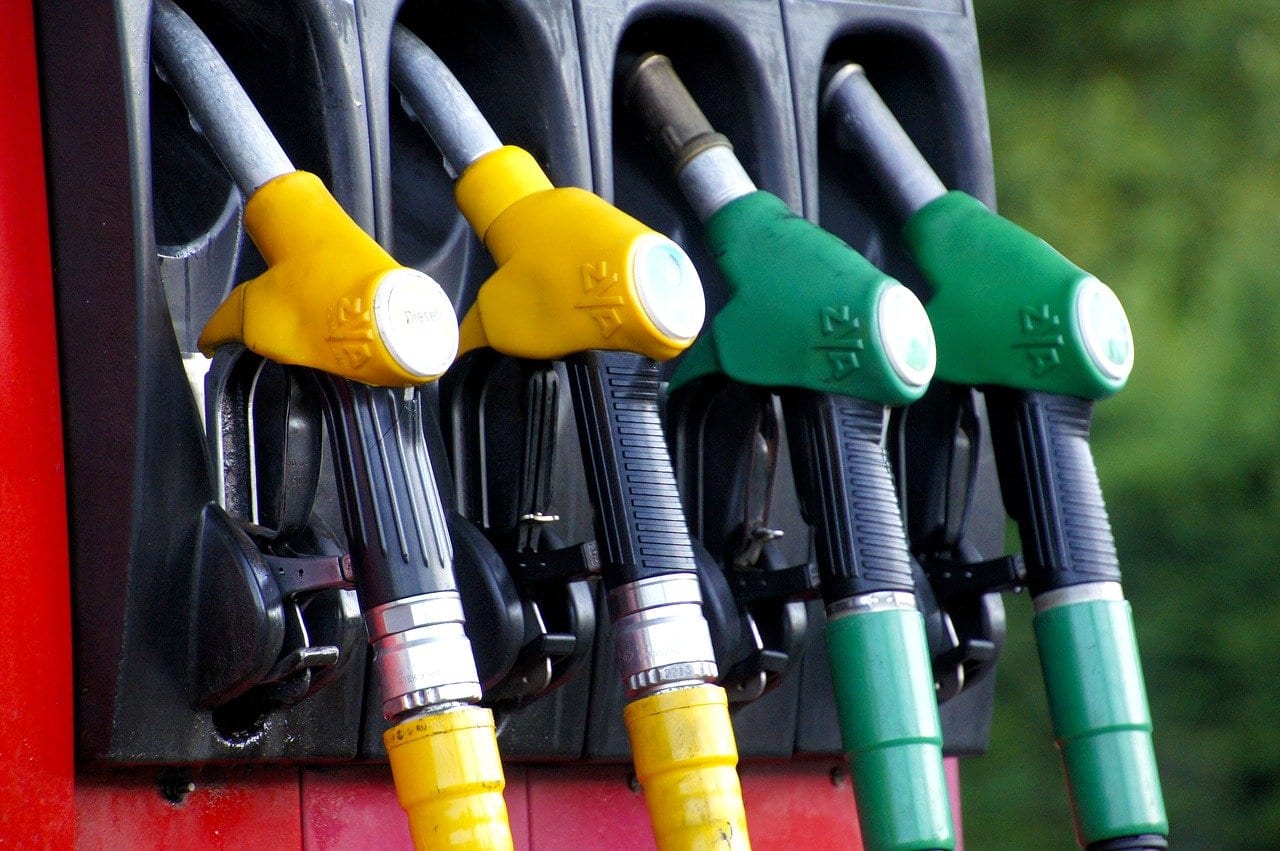
The Energy and Petroleum Regulatory Authority (EPRA) released the maximum retail fuel prices for the period 15 May to 14 June 2026 on Thursday evening, and the numbers tell a story Kenyans have been bracing for since last month.
In Nairobi, super petrol now costs KES 214.25 per litre, up KES 16.65 from the previous cycle’s KES 197.60. Diesel climbs by KES 46.29 to KES 242.92, an all-time record. Kerosene holds at KES 152.78, but only because the government is absorbing what would otherwise be a brutal increase.
Diesel is now KES 28.67 more expensive than petrol. That gap is unprecedented in Kenya’s pricing history. For the trucking, manufacturing, agriculture, and matatu sectors that run almost entirely on diesel, this is no longer a cost adjustment. It is a structural shock.
Why is diesel suddenly so expensive?
The press release tells the immediate story. The average landed cost of imported diesel rose by 20.32% between March and April 2026, jumping from US$1,073.82 to US$1,291.98 per cubic metre. Petrol rose 10% in the same window. Kerosene was the lucky one, up just 1.59%.

Why diesel specifically? Three reasons.
First, global diesel is structurally tighter than petrol. Refineries can shift output between products, but diesel demand from shipping, trucking, agriculture, and industry tends to be inelastic. When supply shocks hit, diesel feels them first and worst.
Second, the Strait of Hormuz crisis is in its fourth month. Since the United States and Israel struck Iran on 28 February 2026, the waterway that carries roughly 20% of the world’s oil and most of its diesel has been functionally closed. Brent crude is trading above US$107 a barrel. Saudi Aramco’s chief executive warned this week that the market may not normalise until 2027 even if the strait reopens soon.
Third, EPRA’s pricing window lags reality. The May to June prices reflect cargoes that landed at Mombasa between 9 April and 10 May — the worst of the crisis. By the time these prices change again on 15 June, we will be paying for fuel that arrived in May, which may be even more expensive.
What about the cushioning?
There are two interventions keeping prices from being worse.
The Value Added Tax on petrol, diesel, and kerosene remains at 8%, down from the standard 16%. This is the rate signed into law by Legal Notice No. 70 in April, valid until 14 July 2026. We already explained how Kenya zig-zagged from 16% to 13% to 8% VAT in 48 chaotic hours last month.
The government is also tapping the Petroleum Development Levy (PDL) Fund to the tune of approximately KES 5 billion this cycle, used specifically to stabilise diesel and kerosene. That is down from KES 6.2 billion last cycle. The cushion is shrinking.
The kerosene story is the most revealing. The product would not be at KES 152.78 if EPRA was not actively subsidising it. The international price of kerosene at the wholesale level has more than doubled in the last six months. The government is essentially eating the difference to keep cooking and lighting affordable for low-income households. That subsidy is not sustainable indefinitely.
Why we keep ending up here
This is the question that keeps coming back, and the honest answer is uncomfortable.
Kenya has no strategic petroleum reserve. None. The country relies entirely on the 21-day commercial stocks held by individual oil marketers. Japan holds 260 days of supply. South Korea holds 210. Even India, an importer dwarfed only by China, holds 25 days. Kenya holds zero strategic days.
In April, Energy Cabinet Secretary Opiyo Wandayi told parliament that the government is “in discussions” to establish a reserve in Mombasa, possibly with private investors. This is a discussion that has been happening, on and off, since the Petroleum Act of 2019 first envisaged one. Seven years later, still nothing built. When the Iran war started, Kenya had no buffer. That is a policy choice.
The Government-to-Government (G-to-G) import deal with Gulf suppliers was supposed to bring price stability. Instead, it produced the MT Paloma scandal, the resignation of three senior officials including the former EPRA Director General, and an emergency cargo procured outside the framework that EPRA had to exclude from its calculations. We covered the full G-to-G mess in detail in April. The structural problems flagged then have not been addressed.
What this means for you
Matatu fares will rise. They almost have to. The Federation of Public Transport Operators floated a 15% to 20% increase last cycle and the math only gets worse this month.
Food prices will follow within weeks. Maize, vegetables, and bulk commodities move by diesel truck from upcountry to Nairobi. A KES 46 per litre increase on diesel ripples through every wholesale price.
Electricity bills are also exposed. Thermal plants running on diesel and heavy fuel oil contribute to the Fuel Energy Cost Charge on every KPLC bill. April’s electricity FECC was already a record 347 cents per kWh. Expect that line to climb further.
For now, prices take effect at midnight on 15 May 2026 and hold until 14 June. The next review lands on Sunday 14 June. Whether that brings relief depends entirely on the Strait of Hormuz, the price of Brent, and how much PDL money the National Treasury is still willing to burn.





Join the discussion