

KCB Group has dismissed 94 employees over fraud in two years, 60 in 2025 and 34 in 2024. For Kenya’s largest bank by assets, that figure has split opinion since it surfaced in the lender’s latest sustainability report. The bank presents it as proof that its controls are working. A growing line of critics reads it the other way, as a sign that too many staff at a sophisticated institution keep ending up on the wrong side of a fraud investigation.
Both readings are circulating. The useful thing is that the data lets you test them, rather than just pick a side.
Start with KCB’s argument. If its anti-fraud systems were failing, you would expect losses to climb. They did the opposite. Money actually written off to fraud and forgery fell to KES 760,000 in 2025, down from KES 4.5 million the year before. Recorded fraud incidents dropped more than 40 percent, from 339 to 201. The value of attempts the bank blocked also came down, from KES 212.9 million to KES 141.1 million. On the numbers that matter most to a customer, meaning how much money is lost, the trend is clearly improving. A bank firing more people while losing less money looks like one catching problems earlier, not one losing control.
Now the other side. Critics argue that catching fraud is not the same as preventing it, and that prevention should be the benchmark for an institution of KCB’s scale. If close to 100 employees in two years behaved badly enough to be sacked, the question shifts from the systems that caught them to the front end: recruitment, vetting, supervision, and workplace culture. Detection tells you the safety net works. It does not tell you why so many people reached the net in the first place. That is the heart of the governance concern, and it is a fair one.

Here is what the public figures can and cannot settle. They can show that detection is improving, because the loss numbers are falling. They cannot tell you whether the underlying rate of insider dishonesty is rising, or simply being surfaced more thoroughly. A higher sacking count could mean more staff are trying their luck, or it could mean the same baseline of bad actors is now being caught where some previously slipped through. From the outside, you cannot fully separate those two. So the honest reading is narrower than either camp’s headline. KCB’s detection is getting better, and the dismissal count on its own does not prove the opposite.
What both sides agree on is that insider fraud is the hardest category to close, and the reasons are structural.
First, an employee already has legitimate access. Most of a bank’s defences, including biometric authentication, selfie matching, document verification, and real-time transaction monitoring, are built to stop outsiders breaking in. They do less against someone already inside with valid credentials.
Second, the industry has no shared blacklist. As we have noted before through Business Daily’s reporting, Kenyan banks do not keep a common database to flag staff fired for ethics breaches. A dismissed fraudster can simply move to another lender, so the sector keeps recycling the same risk.
Third, the system is detection-heavy and prevention-light. Technology is good at flagging a suspicious transaction after it starts. Stopping the dishonest hire before they begin, or building a culture where the attempt never happens, is slower and harder to measure. That is why banks now lean on ethics audits alongside software. The Central Bank of Kenya has noted that lenders are using artificial intelligence to monitor their own employees, not just outside attackers.
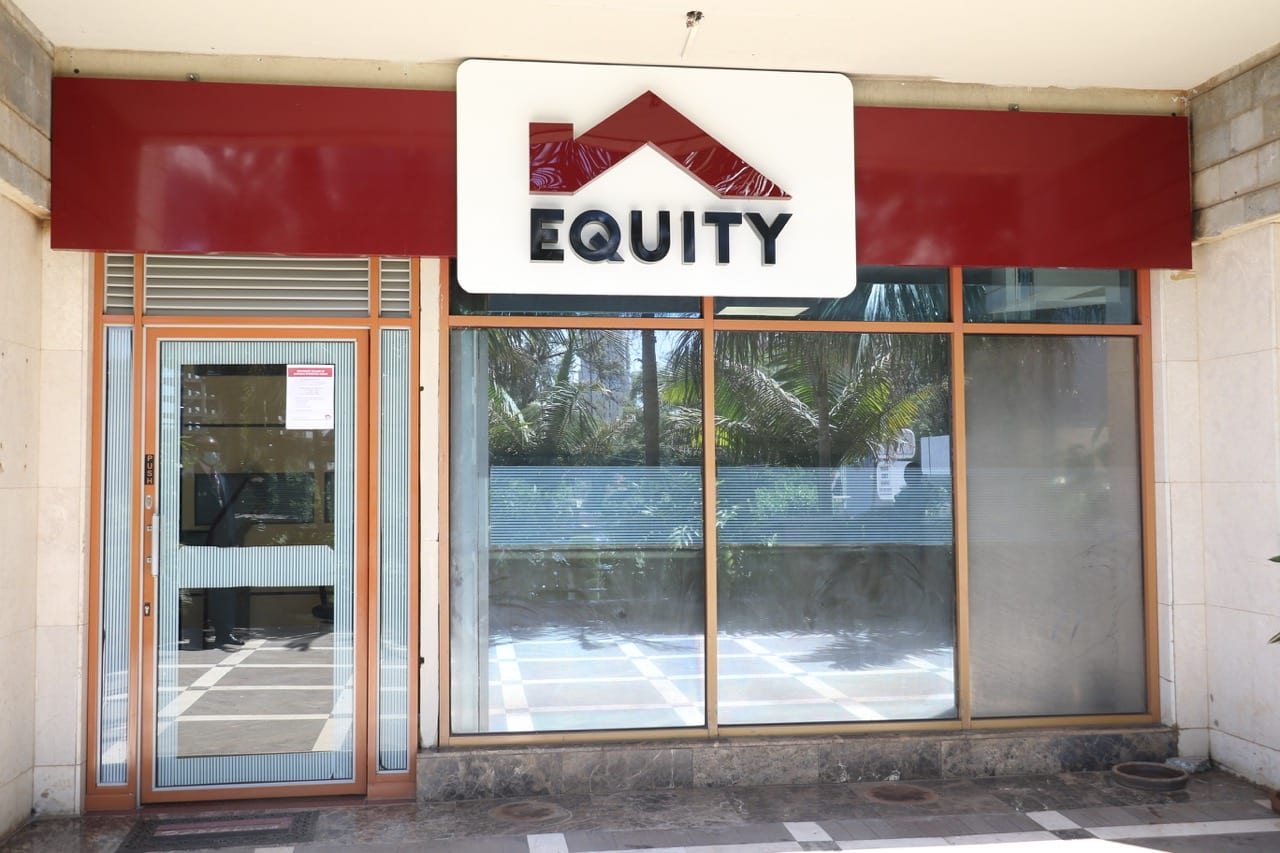
KCB is not an outlier in any of this. We already broke down why Equity Bank fired more than 1,200 staff in a single day, the largest such purge in Kenyan banking history, after tracing roughly KES 2 billion in losses over two years to a scheme that partly ran through insiders. CBK figures show banks across Kenya lost KES 1.59 billion to hackers and fraudulent wire transfers in 2024, nearly four times the KES 412 million lost in 2023. Insider risk is an industry condition, not one bank’s scandal.
It is also worth holding two facts together. KCB is highly profitable, with group profit up 64.9 percent to KES 61.8 billion in 2024, and it is one of the region’s most heavily invested banks on technology. That a lender with those resources still removes dozens of staff a year is the strongest version of the critics’ point. Money and software do not, on their own, fix a people problem.
So how should a customer or investor read all this? Not through the sacking count alone, because that number is ambiguous. The figure that actually tells you whether KCB’s controls are working is the loss trend, and right now it is moving in the right direction. The number to watch in next year’s report is whether incidents and blocked-attempt values keep falling. If they do, the firings look like enforcement doing its job. If losses climb again while dismissals stay high, that is when the governance question turns from a fair one into a real problem.







Join the discussion