
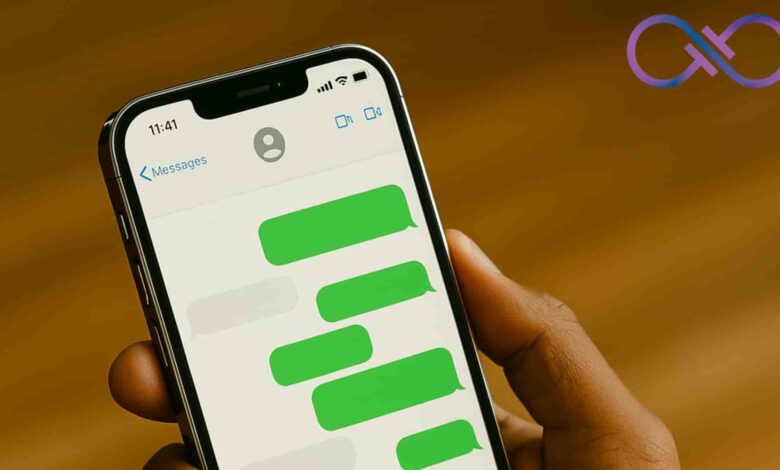
Apple has spent the last two years slowly closing the gap between iMessage and the rest of the messaging world through RCS messaging. The latest step arrived this week with iOS 27 Beta 2, where the company fixed one of the more annoying quirks affecting conversations between iPhone and Android users.
It’s a welcome improvement. Just not for most Kenyans.
Apple has added native support for inline replies in RCS messaging and fixed how emoji reactions appear when exchanged between iPhone and Android users with the new iOS 27 Beta 2 update. Previously, reacting to an image in an RCS chat could produce clunky text descriptions such as “Hillary loved an image” instead of displaying the actual reaction emoji. The latest beta finally brings proper emoji reactions and threaded replies to cross-platform conversations.
For users in markets where RCS is thriving, this is another sign that Apple is taking cross-platform messaging more seriously. Over the past year alone, the company has rolled out RCS support, introduced end-to-end encryption for iPhone-to-Android chats, and is now gradually implementing additional features defined in newer RCS standards.

In other words, the iPhone and Android messaging experience is getting better. Meanwhile, in Kenya, Android users can’t even get RCS to activate.
The awkward reality for Kenyan users
As someone who has closely followed RCS adoption in Kenya for years, I find it almost ironic that we’re discussing advanced features like threaded replies and richer emoji reactions when basic RCS functionality has been unavailable to many users locally for a year now. If you’ve opened Google Messages recently and been greeted by a “Not Supported” error, you’re not alone.
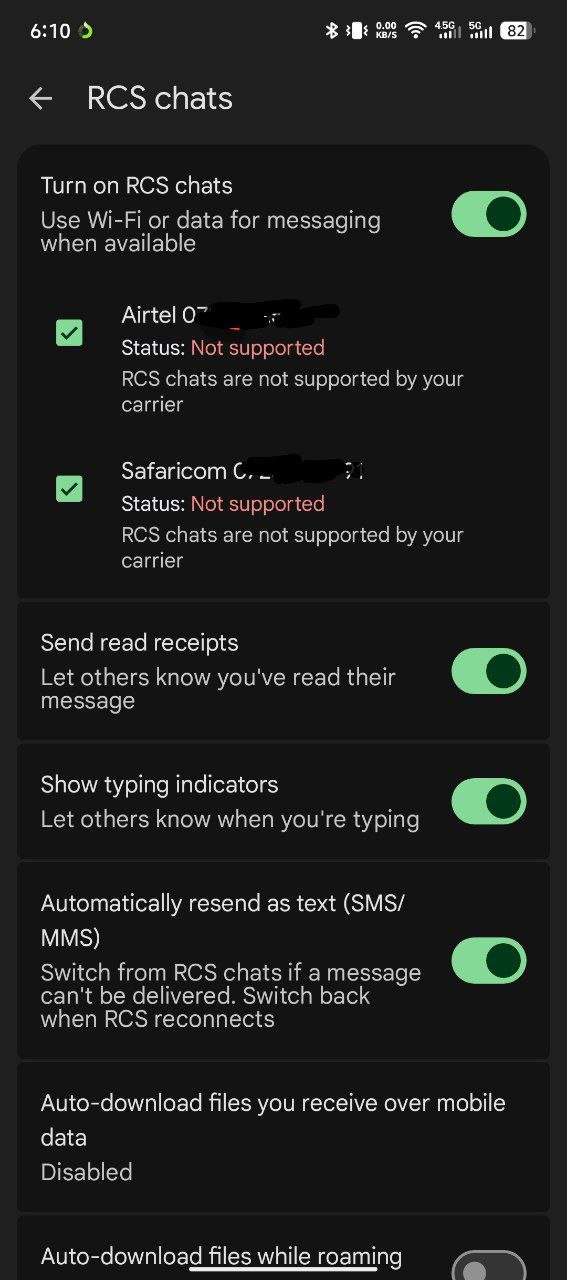
Throughout 2025, reports began emerging from Kenyan Android users who suddenly lost access to RCS messaging. Devices that had previously supported the service without issue could no longer activate it. Read receipts disappeared. Typing indicators vanished. Messages fell back to traditional SMS and MMS.
At the time, users naturally assumed it was a temporary outage. Months later, the problem remains. But what’s particularly frustrating is the lack of communication. There has never been a clear public explanation from local operators detailing what changed, why support disappeared, or whether restoration is even planned.
Instead, some users have reported being advised to simply turn off RCS messaging altogether. That advice alone tells a troubling story.
The rest of the world is moving forward
Globally, RCS continues to gain momentum. Apple’s latest improvements are built on newer RCS Universal Profile standards that also pave the way for features such as message editing, message unsending, richer reactions, and improved interoperability between platforms. We expect additional cross-platform capabilities to arrive as Apple continues refining its implementation.
The broader goal is obvious: make texting between iPhone and Android feel less like a compromise. For years, Google pushed Apple to adopt RCS as a replacement for aging SMS technology. Apple eventually relented, and since then, the industry has been moving toward a future where platform choice matters less than it once did.
Yet Kenya appears to be moving in the opposite direction.
It’s easy to dismiss RCS as just another messaging feature when apps like WhatsApp dominate everyday communication. But RCS matters because it upgrades the default messaging experience built into virtually every smartphone. Not everyone wants to install another app or rely entirely on third-party platforms like WhatsApp or Telegram.
RCS was supposed to modernize text messaging with features users have come to expect: read receipts, typing indicators, high-quality media sharing, group chat improvements, encryption, and richer interactions. Today, users in many countries are debating whether Apple should add message editing and unsending to RCS. But in Kenya, we’re still asking a more basic question: what really happened to RCS messaging in the first place?
Until local operators provide answers or restore support entirely, Apple’s latest RCS improvements are little more than a glimpse of a future that Kenyan users currently can’t access. And that’s arguably the biggest oddity of all.







Join the discussion