

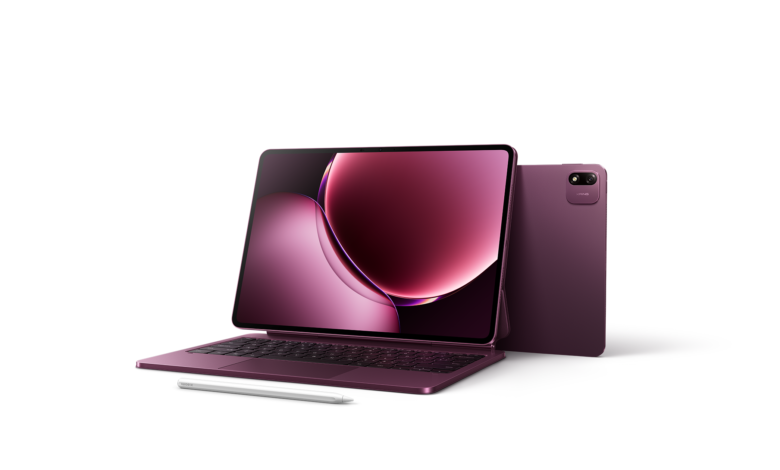
Xiaomi’s Pad 9 range has now been completely unveiled in China. The Pad 9 Pro Max arrived on 7 September and went on sale the same day from CNY 4,799. The Pad 9 and Pad 9 Pro opened pre-orders today from CNY 2,999 and CNY 3,799, with general sales later in the month. In Kenya shillings, the range runs from about KES 57,900 to about KES 152,500.
The three tablets all use different processors from two different companies. There’s three screen sizes and three battery sizes. The Pro Max also has hardware the other two don’t have, including a port that turns it into a monitor for a laptop.
The full comparison
| Xiaomi Pad 9 | Xiaomi Pad 9 Pro | Xiaomi Pad 9 Pro Max | |
|---|---|---|---|
| Screen | 11.2in LCD | 12.5in LCD | 13.3in LCD |
| Resolution | 3,200 x 2,136 | 3,200 x 2,136 | 3,408 x 2,272 |
| Shape and refresh | 3:2, up to 144Hz | 3:2, up to 144Hz | 3:2, up to 144Hz |
| Pixel density | about 344ppi | about 308ppi | about 308ppi |
| Peak brightness | 800 nits | 1,000 nits | 1,000 nits |
| Processor | Snapdragon 8s Gen 4 | Snapdragon 8 Gen 5 | Xiaomi Xring O3 |
| Process | TSMC 4nm | TSMC 3nm | TSMC 3nm |
| CPU | 8 cores, up to 3.21GHz | 8 cores, up to 3.8GHz | 10 cores, all large, up to 4.35GHz |
| Graphics | Adreno 825 | Adreno 840 | 16-core G2-Ultra NX |
| Memory | 8GB LPDDR5X, 12GB LPDDR5T | 8GB LPDDR5X, 12 or 16GB LPDDR5T | 8GB LPDDR5X, 12 or 16GB LPDDR5T, 16GB LPDDR6 on the 1TB |
| Storage | 128GB UFS 3.1, 256GB UFS 4.1 | 128GB UFS 3.1, 256GB UFS 4.1 | 256GB, 512GB or 1TB, all UFS 4.1 |
| Battery | 9,720mAh | 11,000mAh | 12,000mAh |
| Wired charging | 45W | 67W | 120W |
| Reverse charging | 22.5W wired | 22.5W wired | 27W wired, 45W pogo |
| Rear camera | 13MP | 50MP | 50MP |
| Front camera | 8MP ultra-wide | 32MP ultra-wide | 32MP ultra-wide |
| Speakers | 4 | 6 | 8 |
| Microphones | 4 | 4 | 6 |
| USB-C | 3.2 Gen 1, 5Gbps | 3.2 Gen 1, 5Gbps | 10Gbps, with DP video input |
| Wireless | Wi-Fi 7, Bluetooth 6.0 | Wi-Fi 7, Bluetooth 6.0 | Wi-Fi 7 with MLO, dual Bluetooth 6.0 |
| Fingerprint reader | none | side, in the power key | side, in the power key |
| Size | 251.2 x 173.42 x 5.75mm | 279.14 x 191.96 x 5.8mm | 296.2 x 203.08 x 5.67mm |
| Weight | 485g, 494g soft-light | 580g, 589g soft-light | 645g, 653g soft-light |
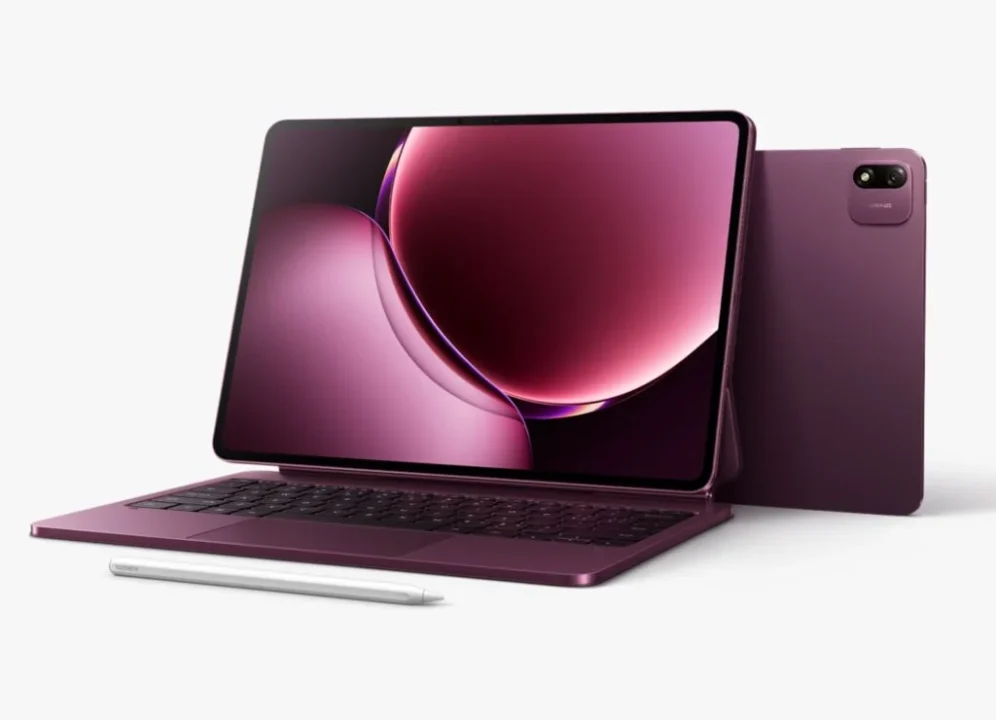
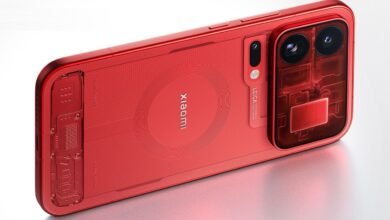
| Colours | black, silver, spruce green, ice peach pink | silver, black, spruce green | deep wine red, black, silver |
| Starting price | CNY 2,999, about KES 57,900 | CNY 3,799, about KES 73,400 | CNY 4,799, about KES 92,700 |
None of the three takes a SIM card. All three are Wi-Fi only, and the specification pages for the Pad 9, Pad 9 Pro and Pad 9 Pro Max list no mobile network hardware at all.
Xiaomi Pad 9
The cheapest of the three, and the only one sold in four colours. It has an 11.2-inch screen, a 9,720mAh battery, 45W charging, four speakers and four microphones. The rear camera is 13MP and the front camera 8MP. At 5.75mm and 485g it is the thinnest and lightest of the three.

Two things separate it from the Pro beyond size. Its screen tops out at 800 nits rather than 1,000, so it is the one that struggles most in direct sun. And it has no fingerprint reader, so unlocking means a PIN, a pattern or face recognition.
Prices:
- 8GB + 128GB, CNY 2,999, about KES 57,900
- 8GB + 256GB, CNY 3,299, about KES 63,700
- 8GB + 256GB soft-light screen, CNY 3,499, about KES 67,600
- 12GB + 256GB, CNY 3,799, about KES 73,400

Xiaomi Pad 9 Pro
The middle model steps up to a 12.5-inch screen at 1,000 nits, an 11,000mAh battery with 67W charging, six speakers and a fingerprint reader in the power key. The cameras jump to 50MP on the back and 32MP on the front, and there is a 16GB memory option the Pad 9 does not get.
The screen resolution stays at 3,200 by 2,136 across the larger panel, so the Pro spreads the same pixels further. That works out to about 308 pixels per inch against about 344 on the Pad 9, which is the same density the Pro Max runs at.
Prices:
- 8GB + 128GB, CNY 3,799, about KES 73,400
- 8GB + 256GB, CNY 4,099, about KES 79,200
- 12GB + 256GB, CNY 4,599, about KES 88,800
- 12GB + 256GB soft-light screen, CNY 4,799, about KES 92,700
- 16GB + 256GB, CNY 4,999, about KES 96,500
Xiaomi Pad 9 Pro Max
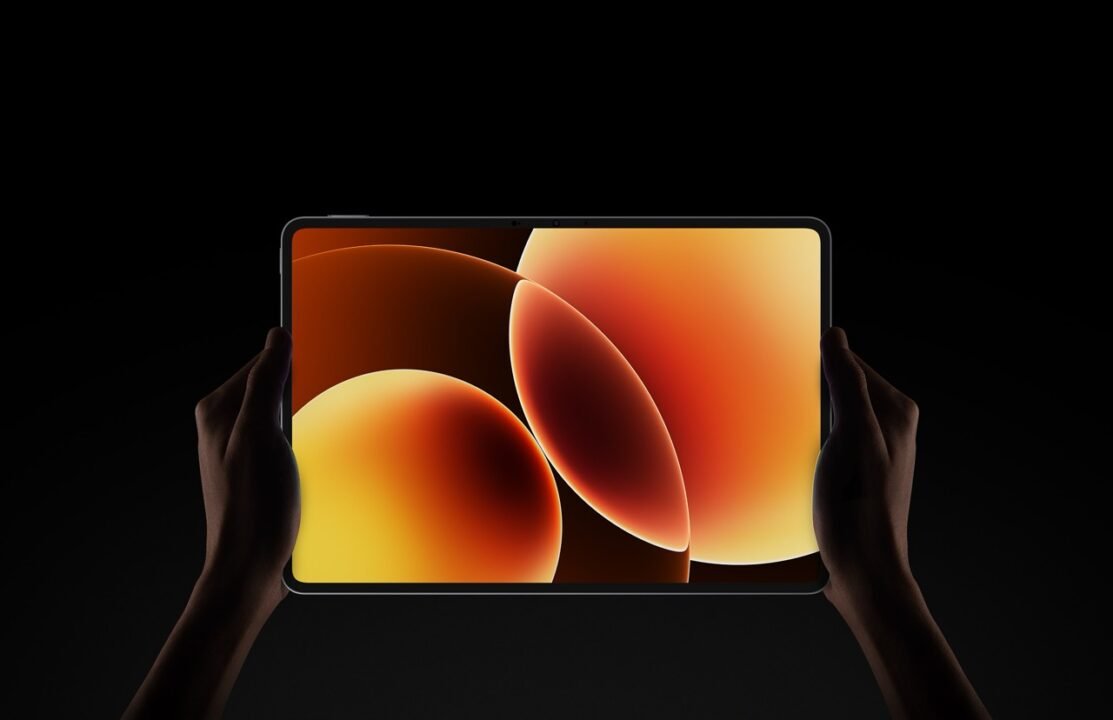
The Pro Max is the first tablet running Xiaomi’s own Xring O3 chip, and the only one in the range with laptop hardware. The screen is 13.3 inches at 3,408 by 2,272, the battery is 12,000mAh with 120W charging, and there are eight speakers and six microphones.
Its USB-C port does two things the others cannot. It moves data at up to 10Gbps rather than 5Gbps, and it accepts DP video input, which means you plug a laptop into the tablet and the tablet becomes the laptop’s screen. It also charges at 45W through pogo pins, though Xiaomi says that one only works with a Xiaomi car seat-back mount.
The top configuration is the only device in the range with LPDDR6 memory, at 10,667Mbps, and it is restricted to the 16GB and 1TB version.
Prices:
- 8GB + 256GB, CNY 4,799, about KES 92,700
- 12GB + 256GB, CNY 5,299, about KES 102,300
- 16GB + 256GB, CNY 5,799, about KES 112,000
- 12GB + 512GB, CNY 6,099, about KES 117,800
- 16GB + 512GB, CNY 6,599, about KES 127,400
- 16GB + 512GB soft-light screen, CNY 6,899, about KES 133,200
- 16GB + 1TB soft-light screen, CNY 7,899, about KES 152,500
The floating keyboard for it costs CNY 1,099, about KES 21,200, and is bought separately.
Memory and Storage tech is different
On the Pad 9 and the Pad 9 Pro, the configuration changes the type of memory and storage as well as the amount:
- 8GB models use LPDDR5X memory at 8,533Mbps
- 12GB and 16GB models use faster LPDDR5T at 9,600Mbps
- 128GB models use UFS 3.1 storage
- 256GB models use UFS 4.1
UFS 4.1 doubles the maximum data rate of UFS 3.1, to 4,640MB/s from 2,320MB/s, and sequential reads on it are about twice as quick.
So the entry version of the Pad 9 and the entry version of the Pad 9 Pro both carry the slower memory and storage from two generations back. Paying CNY 300 more for 256GB buys a quicker drive as well as a bigger one. The Pro Max avoids the problem entirely, since every configuration uses UFS 4.1.
Global markets?
Xiaomi has not announced a launch outside China for any of the three.
If you want one here, October is the earliest realistic wait for the Pad 9 or Pad 9 Pro. Global prices will differ form above pricing because global models don’t share pricing with Chinese models.




Join the discussion