

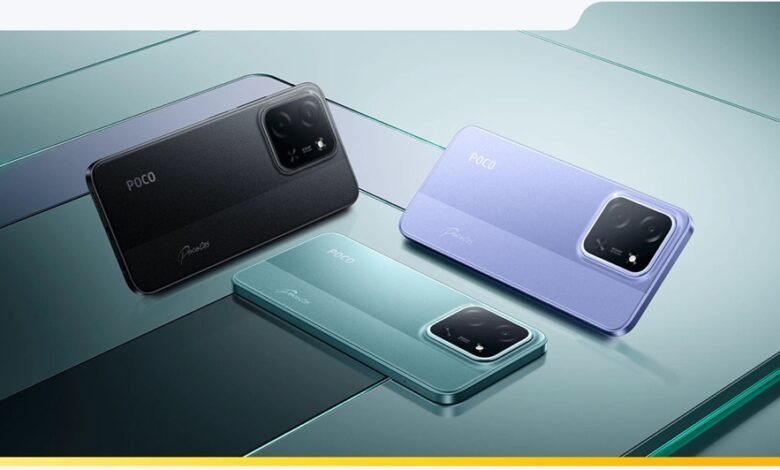
Xiaomi started pushing HyperOS 4 to phones in China on 15th October 2026, and the global rollout began this month. HyperOS is Xiaomi’s software on top of Google’s Android, the layer that decides how your home screen, settings and apps look and behave. Version 4 adds soft light glass, Xiaomi’s name for see-through panels that pick up the colours behind them, and new AI tools.
If you own a Xiaomi, Redmi or POCO phone, the question is simple. Will mine get it, and when?
Xiaomi answers that on its HyperOS 4 page, which lists 67 phones and 15 tablets in three waves: early November, mid-November and December 2026. The Kenyan version of the page carries the same list. Xiaomi calls the dates estimates that can change by region, carrier and model.
| Starting from | Xiaomi | Redmi | POCO |
|---|---|---|---|
| Early November | Xiaomi 17 Ultra, Leica Leitzphone powered by Xiaomi, Xiaomi 17, 17T Pro, 17T | Redmi Note 15 Pro+ 5G, Note 15 Pro 5G, Note 15 Pro, Note 15 5G, Note 15, Redmi 17 5G, Redmi 17, Redmi 17C 5G, Redmi 15C 5G, Redmi 15C | POCO F8 Ultra, F8 Pro, X8 Pro Max, X8 Pro, X8 Pro Iron Man Edition, M8 Pro, M8, C95 Pro, C85 |
| Mid-November | Xiaomi 15 Ultra, 15, 15T Pro, 15T | Redmi Note 17 Pro Max 5G, Note 17 Pro 5G, Note 17 5G, Note 17 | POCO F9 Ultra, F9 Pro, F7 Ultra, F7 Pro, F7, X8, X7 Pro, X7 Pro Iron Man Edition |
| December | Xiaomi MIX Flip, 14 Ultra, 14, 14T Pro, 14T, 13 Ultra, 13 Pro, 13, 13T Pro, 13T | Redmi Note 14 Pro+ 5G, Note 14 Pro 5G, Note 14 Pro, Note 14 5G, Note 14, Note 14S, Redmi 15 5G, Redmi 15, Redmi A7 Pro | POCO F6 Pro, F6, X8s, X7, X6 Pro, M8s 5G, M7, C81 Pro |
On tablets, the Xiaomi Pad 8 and Pad 8 Pro go first.

If you’ve seen a different list, you’re not imagining it. Versions shared widely online put the Xiaomi 15, Xiaomi 15 Ultra, the Redmi Note 17 series and the POCO X8 in the first wave. Xiaomi’s page puts all of them in mid-November, and it has carried the same list since at least 5th November.
Why your phone may not have it yet
“Early November” is when Xiaomi starts sending the update. It doesn’t mean every phone on that list has it by then. Each build goes first to Mi Pilot testers, a small group of owners who try it before everyone else, then out region by region. Three weeks in, the stable global build had reached only a handful of the 26 first-wave devices, among them the Xiaomi 17, the Xiaomi 17T Pro and the POCO F8 Pro. Most of the Redmi phones on the early list had no wide global release yet.
So if your phone is on the early list and nothing has shown up, it hasn’t been skipped. Go to Settings, then About phone, tap the HyperOS version and check for updates.
Every HyperOS 4 build out so far also moves phones to Android 17, Google’s newest version. The Xiaomi 17 Ultra is an exception. When it got Android 17 in July, it came as a HyperOS 3 update, so on that phone HyperOS 4 is mostly about the new look and features.
What it means for phones sold in Kenya
Most of what Xiaomi sells here is covered. The Redmi Note 15 Pro+ 5G, Redmi Note 15 Pro and Redmi 17 are in the first wave, the Redmi Note 17 Pro 5G and Note 17 Pro Max 5G in mid-November, and the Redmi 15 and the Redmi Note 14 range in December.
Three phones still listed on Xiaomi Kenya’s site aren’t on any wave: the Redmi 13, the Redmi 14C and the Redmi A3 Pro. Neither is the Redmi Note 13 range. Xiaomi hasn’t said whether it will add more phones.
The Redmi A3x and Redmi A5 were never going to get it, because they don’t run HyperOS. The A5 runs Android Go, Google’s lighter version of Android for cheaper phones, and the A3x runs plain Android 14, so their upgrades come as new Android versions.
For most Kenyan Xiaomi owners, December is the realistic date, because that’s when the Redmi Note 14 phones and the Redmi 15 are due. Given how slowly the first wave is moving, we think some December phones will only see a stable build in January. If you own a Redmi 13 or Redmi 14C, the answer for now is no.





Join the discussion