
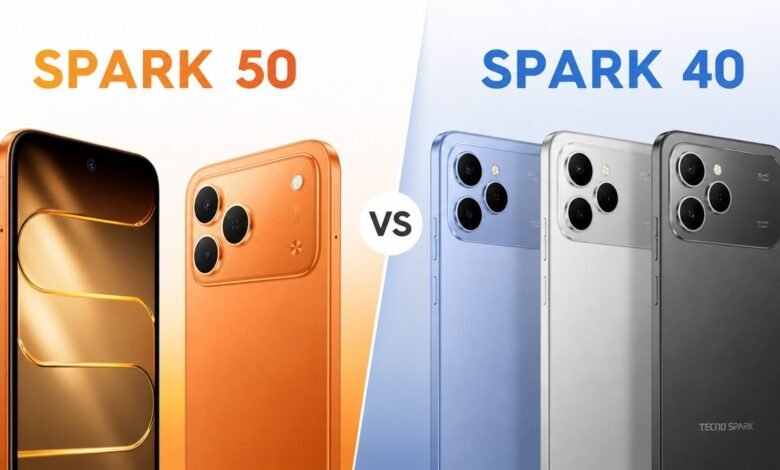
Let’s not mince words: if you currently own the 2025 TECNO Spark 40, there is absolutely no sane reason to upgrade to the newly released TECNO Spark 50. In fact, calling the Spark 50 an “upgrade” is a stretch. In my books, it’s a recycled device wrapped in fresh marketing jargon.
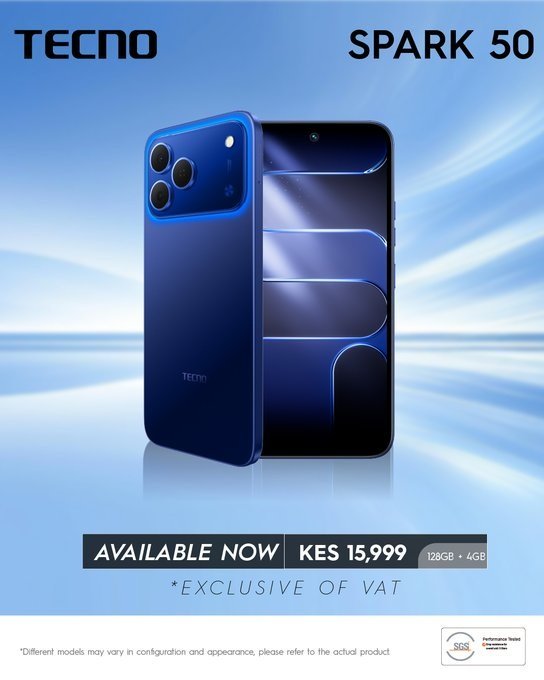
The Spark 50 has just landed in Kenya with a price tag of KES 15,999. While that price point remains firmly in the budget-friendly territory we expect from the Spark series, my assessment of the specs and design leaves a lot to be desired. If you are coming from an older Spark 30 or Spark 20, the Spark 50 makes sense. But if you already have the Spark 40 in your pocket? Keep your money. Here is a brutal, honest breakdown of why TECNO dropped the ball on this one.
The design: Copy, paste, repeat
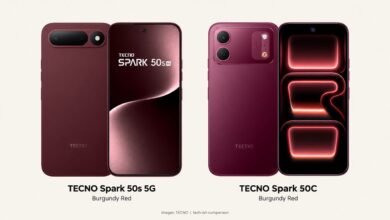
When I look at the marketing materials and the official images of both phones, they are virtually identical. TECNO did a terrible job differentiating the Spark 50 from its predecessor. Both feature that same “cutting-edge DECO design” which essentially means the same iPhone-esque camera module slapped on the back.
The only tangible physical difference is the thickness. The Spark 40 was a genuinely sleek device at 7.67mm. The Spark 50 bulks up to 8.18mm. Sure, the Spark 50 gives you a bigger battery (more on this later) and a slightly larger 6.78-inch display compared to the 40’s 6.67-inch screen, but both are stuck at 720p resolution with a 120Hz refresh rate. It’s the exact same viewing experience, just stretched over a fraction of an inch more.

Performance: The same engine under the hood
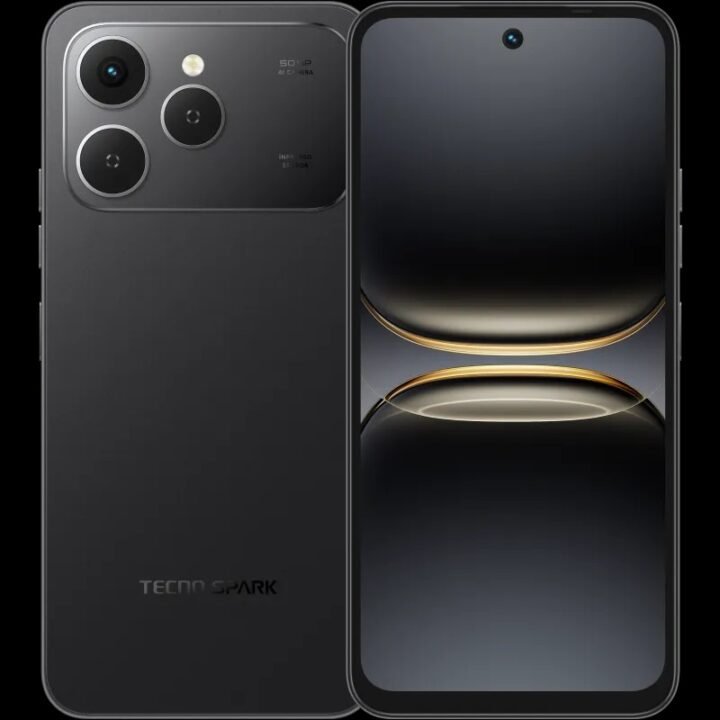
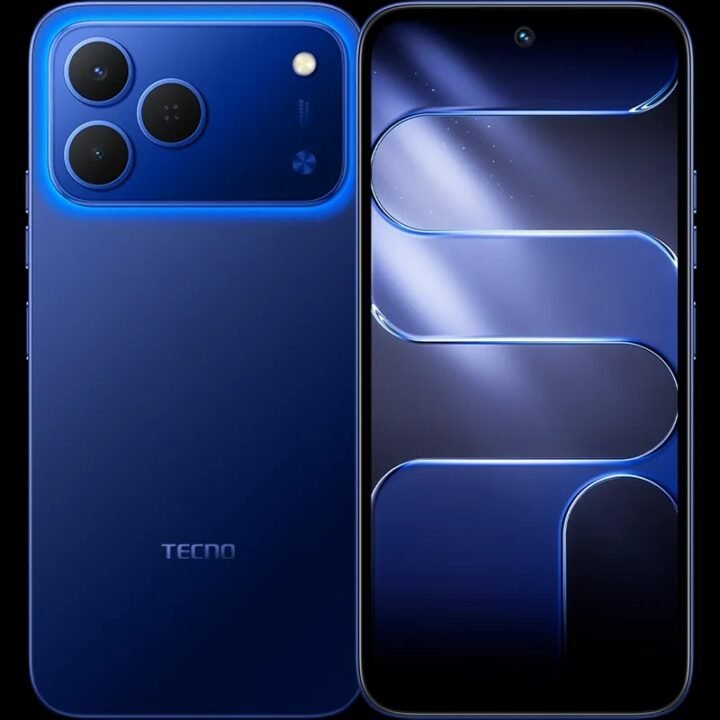
It gets drastically worse when you look at the internals. TECNO completely phoned it in here by sticking with the exact same MediaTek Helio G81 processor used in the Spark 40.
You are getting the same chipset, the same 50MP rear camera, and the same 8MP front camera. How does a company justify a generational leap without upgrading the core performance engine? The only saving grace on the hardware front is the shift to UFS 2.2 storage on the Spark 50, which should offer slightly faster app load times and data transfers compared to older storage standards. But day-to-day? You won’t notice a difference.
Battery and charging: One step forward, two steps back
Here is where things get truly baffling.
- Spark 40: 5200mAh battery with 45W Super Charging (100% in 55 mins).
- Spark 50: 6700mAh battery with 18W Fast Charging.
Yes, the Spark 50 boasts a massive 6700mAh battery. But TECNO completely gutted the charging speed, dropping it from a highly respectable 45W down to an agonizingly slow 18W. Trying to fill a 6700mAh battery at 18W is going to take hours. They traded convenience for raw capacity, and for a power user, that feels like a massive downgrade.
Software: The one true lifeline
If I have to give the Spark 50 credit anywhere, it’s the software. The Spark 50 comes pre-installed with Android 16, whereas the Spark 40 launched with Android 15.
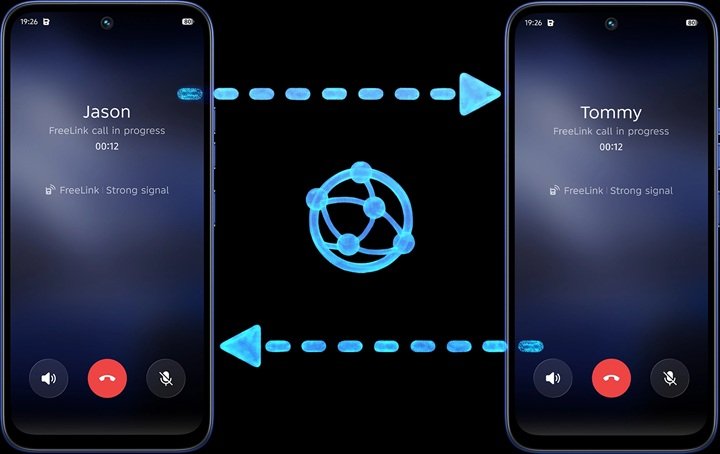
Given TECNO’s historically sketchy track record with providing reliable, long-term software updates for its budget Spark series, buying the phone with the latest OS out of the box is a major boost. You get the newest AI integrations, like the upgraded Ask Ella, AI Writing, and Hi Translate. Plus, the Spark 50 introduces FreeLink 2.0, extending the off-grid Bluetooth communication range to 1.5km, up from the Spark 40’s 500m.
The Verdict: Is it worth buying it?
If you own the Spark 40, do not buy this phone. You are essentially paying for a thicker phone with a bigger battery that takes forever to charge, driven by the exact same processor.
If you are rocking a much older device like a Spark 20, then the Spark 50’s KES 15,999 price tag gets you a decent 120Hz screen, Android 16, and battery life for days.
However, even if you are in the market for a budget device right now, you might want to hold your horses. The Finance Bill 2026 proposes a single 25% tax on mobile phones, which means potential buyers of future smartphones in Kenya may get them significantly cheaper than they cost today. If this legislation passes, we could see a market correction that makes holding onto your current device or waiting a few more months the smartest financial move you can make.







Join the discussion