
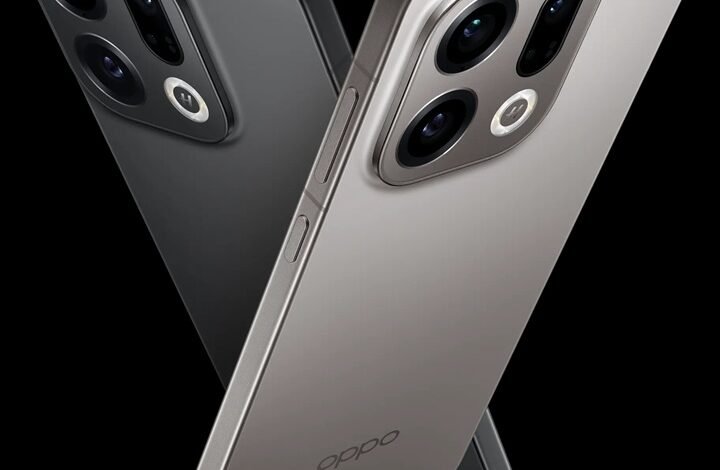
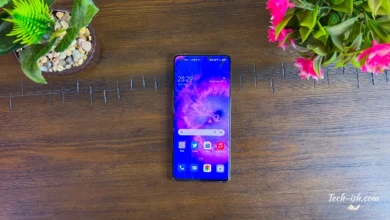
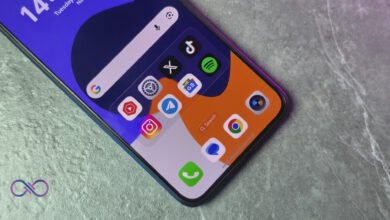
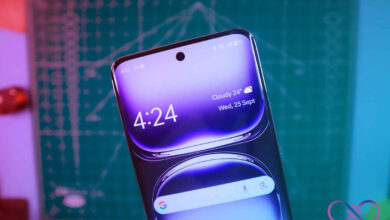
Following our 1 September coverage of the rumoured camera upgrades coming to the standard OPPO Find X10, attention has now shifted to the front of the device. The latest rumors suggest OPPO is engineering a screen border measuring less than 1mm. If this rumour holds true, the Find X10 will inch close to the bezel-less look that rival manufacturer TECNO is currently championing.
Getting from a rumour, to a concept, to a retail-ready smartphone requires cutting through a thick layer of marketing jargon.
The anatomy of a bezel: millimetres and marketing
To understand what a sub-1mm border means, we must first dissect what manufacturers actually mean when they talk about bezels.
Think of a smartphone display like a framed piece of art.
- The artwork: the active pixel area that produces the image.
- The mount: the black, inactive strip immediately surrounding the pixels.
- The frame: the physical outer housing, usually metal or plastic, that holds everything together.
When phone makers talk about shrinking borders, they are often playing a game of selective measurement. A manufacturer might measure only the black strip (the mount) while ignoring the outer chassis (the frame). Two phones with identical “border measurements” can look quite different in the hand.
OPPO’s previous generation, the Find X9, officially listed 1.15mm borders on all four sides. That is the phone OPPO Kenya sells at KES 139,999. If we assume the Find X10 uses the exact same measuring method, dropping below 1mm is a real, if microscopic, reduction.
Cutting a border from 1.15mm to exactly 1mm saves 0.15mm on each side. Across the whole width of the phone, that is 0.3mm, roughly the thickness of three sheets of printer paper. Visually, it makes reading or watching video slightly more immersive. Practically, it does not make the phone any easier to hold. Ergonomics depend on the overall width, curvature and shape of the chassis.
The engineering challenge
Shrinking borders is a hard engineering problem. In its own account of how the Find X9 was built, OPPO said the bezel space is heavily used. It houses the screen’s chip packaging, particularly along the component-rich bottom edge, and the polymer adhesive that seals the remaining sides against moisture and sweat.
Narrowing that visible border means OPPO must change how the display is installed, wired and protected against the elements. It is a battle over internal space.
TECNO’s “0mm” concept
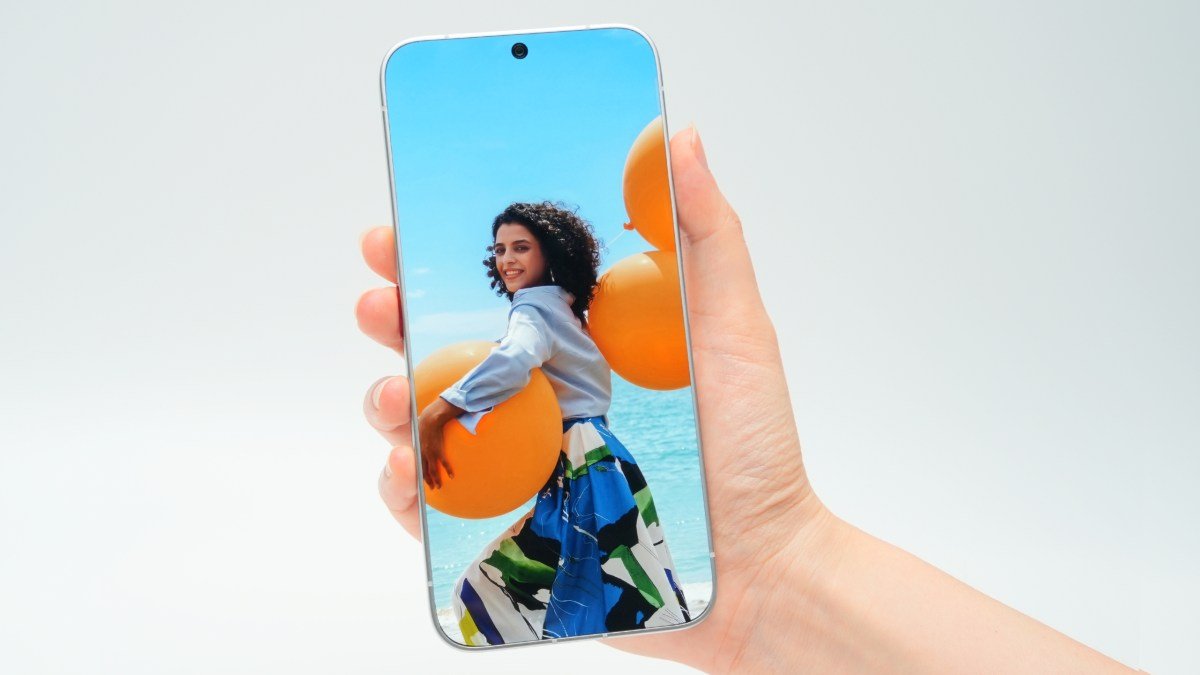
This brings us to TECNO, which has offered a much clearer, though highly specific, look at the future of display borders.
First teased on 31 July and shown in person at IFA ShowStoppers in Berlin on 3 September, TECNO’s Next-Gen Bezelless Concept Phone has what the company calls a “0mm display border”. TECNO’s terminology is precise: it has removed the visible black border (the mount) between the active display and the outer frame. The inactive strip is hidden rather than gone.
Hands-on with the device by different reviewers confirm an important caveat: the metal frame around the phone remains distinctly visible, and feels wider than on a regular phone.
This matches TECNO’s carefully worded claim. A phone can have zero visible black display border and still have a very visible structural housing holding the glass in place. Calling a device “bezel-less” does not mean the entire front surface is an active screen.




Join the discussion