
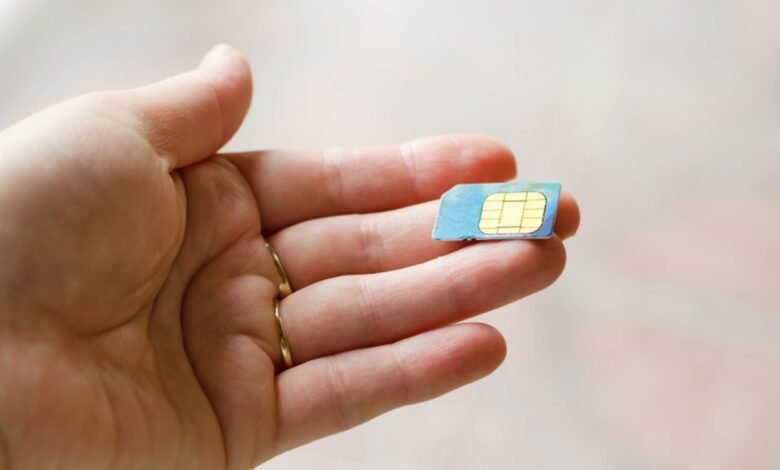
Kenya officially has more SIM cards than citizens. According to the latest CA sector statistics (Q4 2024/25), active mobile subscriptions hit 76.7 million by June 2025, up from 75.9 million in March 2025. That translates into a staggering 146.3% penetration rate.
Let that sink in: for every Kenyan, there are at least one and a half SIM cards floating around. Some folks keep a Safaricom line for M-Pesa, an Airtel line for cheaper calls, and maybe even a Telkom line that hasn’t seen airtime since 2019.
This “multi-SIM lifestyle” isn’t just about choice. It’s also a clever survival strategy. With call rates, data bundles, and mobile money charges varying across providers, Kenyans have learned to hedge their bets.
And here’s another stat that might not surprise you: 98.1% of those SIMs are prepaid. Postpaid remains a niche product for corporates and a handful of heavy users who don’t mind monthly bills. For the rest of us, pay-as-you-go is king. Load a hundred bob today, stretch it with night bundles, sambaza some to your cousin, and you’re sorted.

What’s interesting is that penetration continues to grow even after hitting “saturation” levels years ago. Back in March 2025, the figure was already at 145.3%. By June, it ticked slightly higher. It’s proof that new services like mobile broadband and mobile money are pushing more people to own multiple active lines.
But here’s the flip side: having more SIM cards than people doesn’t mean everyone is connected. Many rural families still share devices, and some SIMs remain active only for transactions. So while the numbers look flashy, the digital divide is still real.
Still, the takeaway is clear: Kenya is a prepaid-first, SIM-multiplying nation. And unless postpaid suddenly becomes cheaper (don’t hold your breath), that’s not changing anytime soon.






Join the discussion